 August 2022 in “IntechOpen eBooks”
 Congenital Adrenal Hyperplasia is a rare inherited disease causing hormone imbalances, affecting growth, fertility, and heart health, diagnosed through blood tests and treated with medication and lifestyle changes.
 May 2021 in “Journal of the Endocrine Society”
 The 18-year-old girl likely has a condition called müllerian agenesis, which caused her to not have a uterus and experience no menstrual periods.
 39 citations
,
April 2018 in “Hormones”
39 citations
,
April 2018 in “Hormones” No consistent link between genotype and phenotype in 5-α-Reductase type 2 deficiency.
 42 citations
,
April 2013 in “Steroids”
42 citations
,
April 2013 in “Steroids” Non-classic congenital adrenal hyperplasia is a common disorder causing symptoms like acne and infertility, and it's managed based on symptoms, not just test results. Treatment can improve fertility and reduce miscarriage risk.
 14 citations
,
December 1998 in “The Journal of Clinical Endocrinology and Metabolism”
14 citations
,
December 1998 in “The Journal of Clinical Endocrinology and Metabolism” MENT could be a better option than testosterone for male hormone therapy and birth control because it works well at lower doses and has fewer side effects on the prostate.
 156 citations
,
October 1996 in “Science of The Total Environment”
156 citations
,
October 1996 in “Science of The Total Environment” Tributyltin exposure causes sex changes, sterilization, and decline in the snail Ocinebrina aciculata, risking its extinction.
 146 citations
,
December 2016 in “Translational Andrology and Urology”
146 citations
,
December 2016 in “Translational Andrology and Urology” Hormone therapy is essential for transgender individuals but requires careful management due to possible metabolic effects.
 78 citations
,
November 2008 in “Fertility and Sterility”
78 citations
,
November 2008 in “Fertility and Sterility” Amenorrhea is relatively rare and initial testing should check FSH, TSH, and prolactin levels.
 38 citations
,
October 2006 in “Fertility and Sterility”
38 citations
,
October 2006 in “Fertility and Sterility” The document concludes that identifying the cause of amenorrhea is crucial for proper treatment.
 31 citations
,
February 1997 in “The Journal of Clinical Endocrinology and Metabolism”
31 citations
,
February 1997 in “The Journal of Clinical Endocrinology and Metabolism” People who carry the 21-Hydroxylase Deficiency gene are not more likely to have excessive male hormone levels.
 30 citations
,
July 2004 in “Fertility and Sterility”
30 citations
,
July 2004 in “Fertility and Sterility” Amenorrhea is when a woman doesn't have periods, with primary amenorrhea starting by age 15 or within five years of breast development, and secondary amenorrhea when periods stop for three months. It affects 3-4% of women not pregnant, breastfeeding, or in menopause, mainly due to polycystic ovary syndrome, hypothalamic amenorrhea, hyperprolactinemia, and ovarian failure.
 21 citations
,
September 2004 in “Fertility and Sterility”
21 citations
,
September 2004 in “Fertility and Sterility” Amenorrhea, or the absence of periods, should be evaluated by age 15 or within five years of early breast development, and is most commonly caused by conditions like polycystic ovary syndrome and hypothalamic amenorrhea.
 21 citations
,
August 1994 in “Clinical endocrinology”
21 citations
,
August 1994 in “Clinical endocrinology” 5α-Reductase inhibitors can help treat hair loss, acne, and prostate issues by reducing DHT levels.
 19 citations
,
January 2013 in “Pediatrics in review”
19 citations
,
January 2013 in “Pediatrics in review” The document says menstruation is important for women's health, discusses menstrual disorders, and suggests personalized treatment options.
 16 citations
,
January 2019 in “Kansas journal of medicine”
16 citations
,
January 2019 in “Kansas journal of medicine” Healthcare providers need better education and policies to serve transgender individuals effectively.
 11 citations
,
August 2019 in “The Journal of Sexual Medicine”
11 citations
,
August 2019 in “The Journal of Sexual Medicine” Women with nonclassic congenital adrenal hyperplasia experience more sexual dysfunction and distress.
 6 citations
,
July 2013 in “Acta Clinica Belgica”
6 citations
,
July 2013 in “Acta Clinica Belgica” The document concludes that combination therapy is most effective for treating excessive hair growth in women with idiopathic hirsutism, and more research is needed to understand the condition.
 5 citations
,
January 2001 in “Advances in protein chemistry”
5 citations
,
January 2001 in “Advances in protein chemistry” 5α-reductase inhibitors help treat disorders caused by DHT and have potential for future therapies.
 September 2023 in “Fides et Ratio”
 The safety and effectiveness of gender-affirming treatments for children are uncertain, with potential long-term risks like infertility.
 July 2017 in “Contemporary Endocrinology”
 The document concludes that patient outcomes for Congenital Adrenal Hyperplasia are often not ideal because of poor management and a need for better diagnosis and treatment methods.
 36 citations
,
April 1990 in “Dermatologic Clinics”
36 citations
,
April 1990 in “Dermatologic Clinics” Most pregnant women experience skin changes like darkening and stretch marks, and some may have skin conditions that usually get better after giving birth.
 12 citations
,
May 2005 in “Current obstetrics and gynaecology/Current obstetrics & gynaecology”
12 citations
,
May 2005 in “Current obstetrics and gynaecology/Current obstetrics & gynaecology” Hirsutism is too much hair growth in women like the pattern in men, often caused by high male hormones, and can be treated with hormone control and hair removal methods.
 5 citations
,
April 2011 in “The Lancet”
5 citations
,
April 2011 in “The Lancet” Untreated congenital adrenal hyperplasia can lead to complications like stroke and needs glucocorticoid treatment.
 1 citations
,
February 2016 in “European Journal of Obstetrics & Gynecology and Reproductive Biology”
1 citations
,
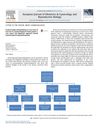
February 2016 in “European Journal of Obstetrics & Gynecology and Reproductive Biology” An 84-year-old woman's hair loss was due to a rare condition called Leydig cell hyperplasia, which was treated with surgery.
 1 citations
,
November 1995 in “Postgraduate medical journal”
1 citations
,
November 1995 in “Postgraduate medical journal” A Saudi individual initially identified as a girl had a genetic disorder affecting gender development.
 475 citations
,
January 2016 in “International Review of Psychiatry”
475 citations
,
January 2016 in “International Review of Psychiatry” The document concludes that non-binary individuals need compassionate support and recognition in healthcare, without being pathologized.
 166 citations
,
October 2018 in “Endocrine Reviews”
166 citations
,
October 2018 in “Endocrine Reviews” Hormone treatments for transgender individuals generally improve mental health and physical transition, with some health risks that require medical supervision.
 86 citations
,
May 2013 in “American journal of obstetrics and gynecology”
86 citations
,
May 2013 in “American journal of obstetrics and gynecology” Gynecologists should provide comprehensive care for transgender patients, including mental health evaluation, hormone therapy, and surgical options, while monitoring for side effects and ensuring patient safety.
 62 citations
,
March 2011 in “European journal of endocrinology”
62 citations
,
March 2011 in “European journal of endocrinology” Some parents have a mild form of congenital adrenal hyperplasia without symptoms, and they usually don't need treatment.
 46 citations
,
March 2001 in “Journal of endocrinological investigation”
46 citations
,
March 2001 in “Journal of endocrinological investigation” 5α-reductase inhibitors, like finasteride and dutasteride, effectively treat BPH, male baldness, and hirsutism, with potential for acne and prostate cancer prevention.