February 2026 in “Journal of Chittagong Medical College Teachers Association” A 17-year-old girl with Kartagener's syndrome also has unusual skin, hair, and nail issues.
January 2012 in “Zhongguo nongye Kexue” The technology can create transgenic cashmere goats with improved wool quality.
6 citations
,
October 2001 in “British Journal of Ophthalmology” Intralesional cidofovir may be a viable treatment for conjunctival lesions in Melkersson-Rosenthal syndrome without systemic toxicity.
34 citations
,
November 1998 in “Journal of Investigative Dermatology” A common mutation in the hHb6 gene is linked to monilethrix, but other factors may also play a role.
7 citations
,
June 2017 in “Gene” Overexpression of FGF5s makes Chinese Merino sheep grow longer and heavier wool.
5 citations
,
August 1925 in “Archives of dermatology” An 8-year-old boy with Recklinghausen's Disease shows various symptoms and is from a family with close genetic ties.
43 citations
,
April 2010 in “Clinical genetics” Truncating mutations in the C2orf37 gene cause Woodhouse–Sakati syndrome.
 June 2024 in “Annals of Medicine and Surgery”
 A 23-year-old Syrian woman has two rare hair disorders, and avoiding hair treatments plus using vitamins and minoxidil may help.
36 citations
,
January 2016 in “The journal of investigative dermatology/Journal of investigative dermatology” The document concludes that understanding genetic mutations in the PI3K-AKT-mTOR pathway can lead to better diagnosis and treatment for certain genetic skin disorders.
7 citations
,
August 2017 in “European journal of endocrinology” Mutations in the POC1A gene can cause a unique form of extreme insulin resistance and short stature.
2 citations
,
January 1987 in “PubMed” Woolly hair syndrome is a genetic condition causing frizzy, fragile hair.
1 citations
,
November 2003 in “SKINmed Dermatology for the Clinician” A 17-year-old with Netherton syndrome has dry, itchy skin, brittle hair, and high IgE levels, treated with antihistamines and emollients.
Trichodysplasia spinulosa can occur after a heart transplant due to immunosuppressive drugs.
January 2026 in “Surgical & Cosmetic Dermatology” 6 citations
,
June 1986 in “The Journal of Dermatology” Reticular erythematous mucinosis syndrome can occur with minimal mucin deposition.
 9 citations
,
February 2018 in “The Journal of Dermatology”
9 citations
,
February 2018 in “The Journal of Dermatology” A new mutation in the LIPH gene was found to cause a rare hair disorder in a Japanese boy.
 October 2023 in “Cell & bioscience”
 A special gene region controls the re-emergence of a primitive wool type in Merino sheep, improving their wool yield and adaptability.
30 citations
,
August 2005 in “British journal of dermatology/British journal of dermatology, Supplement” A specific gene mutation causes hair loss and potential eye issues, even if vision seems normal.
January 2000 in “The Mouseion at the JAXlibrary (Jackson Laboratory)” The lanceolate hair-J mutation in mice helps understand human hair disorders like Netherton's syndrome.
40 citations
,
November 1966 in “Archives of Dermatology” Trichorrhexis nodosa is mainly caused by hair trauma and improves with gentler hair care.
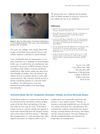 9 citations
,
November 2013 in “Dermatologic Surgery”
9 citations
,
November 2013 in “Dermatologic Surgery” Hair transplant complications were likely due to deep graft placement and rough handling.
November 2022 in “Frontiers in pediatrics” A girl with skin rashes and low zinc levels improved with zinc supplements and had new gene mutations linked to her condition.
19 citations
,
March 2016 in “British journal of dermatology/British journal of dermatology, Supplement” Trichodysplasia spinulosa is a rare skin disease in immunocompromised patients caused by a specific virus targeting hair follicle cells.
July 2023 in “International journal of physiology” Hypertrichosis lanuginosa causes excessive fine hair growth, often linked to genetics or cancer, with limited treatment options.
59 citations
,
November 2002 in “Pediatric Dermatology” A 19-month-old Saudi girl had a rare skin condition with no other defects, and her family was unaffected.
January 2013 in “International Journal of Trichology” Early diagnosis and a multidisciplinary approach are crucial for children with Trichothiodystrophy and hidden learning disorders.
10 citations
,
January 2003 in “Dermatology” The E413K mutation in the hHb6 gene causes monilethrix, a hair disorder, but doesn't show consistent symptoms.
11 citations
,
January 1989 Two patients had a unique form of trichothiodystrophy with reduced high-sulfur proteins in their hair.
 81 citations
,
June 2012 in “European journal of human genetics”
81 citations
,
June 2012 in “European journal of human genetics” Inherited ichthyoses cause widespread skin scaling and thickening due to gene mutations.
25 citations
,
September 2005 in “Journal of the American Academy of Dermatology” Rapp-Hodgkin syndrome, AEC, and EEC are different expressions of the same genetic disorder caused by TP63 gene mutations.