14 citations
,
February 2008 in “Stem Cells and Development” Seven genes are highly expressed in both germ-line and hematopoietic stem cells.
 10 citations
,
December 2011 in “Cell Transplantation”
10 citations
,
December 2011 in “Cell Transplantation” Researchers successfully grew human hair follicle cells that could potentially lead to new hair loss treatments.
1 citations
,
January 2018 in “bioRxiv (Cold Spring Harbor Laboratory)” Increased PHGDH expression causes early melanin buildup in hair follicles.
 80 citations
,
April 2018 in “Trends in Molecular Medicine”
80 citations
,
April 2018 in “Trends in Molecular Medicine” Lichen Planopilaris and Frontal Fibrosing Alopecia may help us understand hair follicle stem cell disorders and suggest new treatments.
66 citations
,
February 2007 in “The journal of investigative dermatology/Journal of investigative dermatology” Adenosine may promote hair growth by increasing FGF-7 levels in dermal papilla cells.
 1 citations
,
September 2020 in “Journal of Dermatological Science”
1 citations
,
September 2020 in “Journal of Dermatological Science” The gene LRRC15 is more active in balding areas of the scalp compared to non-balding areas.
 7 citations
,
July 2019 in “International Journal of Molecular Sciences”
7 citations
,
July 2019 in “International Journal of Molecular Sciences” PGA-4HGF may help treat hair loss by activating hair growth pathways and extending the hair growth phase.
 5 citations
,
March 2014 in “Journal of The American Academy of Dermatology”
5 citations
,
March 2014 in “Journal of The American Academy of Dermatology” The study suggests hormonal factors may play a role in Frontal Fibrosing Alopecia and that treatments like oral antiandrogens and steroids could be beneficial.
1 citations
,
November 2024 in “Orphanet Journal of Rare Diseases” Changes in genes FGA, VWF, and ACTG1 may contribute to pemphigus vulgaris.
July 2024 in “Journal of Investigative Dermatology” CD8+ T cells expand significantly in alopecia areata, suggesting new treatment targets.
20 citations
,
September 2003 in “Journal of Investigative Dermatology” Targeting MIG and MCP-1 may help treat inflammation in alopecia areata.
July 2025 in “Journal of Investigative Dermatology” Scarring alopecia involves increased immune cells and specific gene changes near damaged hair follicles.
 23 citations
,
April 2021 in “Journal of Clinical Medicine”
23 citations
,
April 2021 in “Journal of Clinical Medicine” Frontal Fibrosing Alopecia's cause is unclear, affects mainly postmenopausal women, and current treatments focus on stopping hair loss rather than regrowth.
 September 2023 in “Medicine”
 The research suggests immune system changes and specific gene expression may contribute to male hair loss, proposing potential new treatments.
 18 citations
,
June 2017 in “Journal of The American Academy of Dermatology”
18 citations
,
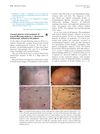
June 2017 in “Journal of The American Academy of Dermatology” Trichoscopy helps diagnose frontal fibrosing alopecia, even with unusual patterns.
 39 citations
,
May 2014 in “Frontiers in Pharmacology”
39 citations
,
May 2014 in “Frontiers in Pharmacology” Special immune cells called Tregs can help prevent lung scarring by blocking a specific growth factor.
 4 citations
,
January 2004 in “Biological and Pharmaceutical Bulletin”
4 citations
,
January 2004 in “Biological and Pharmaceutical Bulletin” AgK114 protein helps in hamster skin injury recovery.
 155 citations
,
September 2008 in “British journal of dermatology/British journal of dermatology, Supplement”
155 citations
,
September 2008 in “British journal of dermatology/British journal of dermatology, Supplement” FFA is more common in postmenopausal women, can affect younger women, and may stabilize over time.
April 2025 in “Australasian Journal of Dermatology” Daughters with affected mothers may develop frontal fibrosing alopecia early.
28 citations
,
June 1995 in “The Journal of Dermatology” The flaky skin mouse mutation is a natural model for studying human psoriasis.
 February 2013 in “Journal of the American Academy of Dermatology”
 Certain gene variations might increase the risk of a hair loss condition in Koreans.
15 citations
,
August 2019 in “F1000Research” CMG2 and TEM8 receptors have distinct roles in skin and growth disorders, affecting collagen breakdown and growth.
5 citations
,
September 2024 in “Biomolecules and Biomedicine” Total glucosides of paeony may help treat alopecia areata by reducing inflammation and hair loss.
July 2026 in “The Journal of Immunology” CD8 T cells need interferon gamma to cause Alopecia Areata.
January 2021 in “대한피부과학회지” The solution increased hair density safely and effectively for hair loss.
265 citations
,
March 1993 in “The EMBO Journal” Keratinocyte growth factor significantly alters skin and tissue development.
 October 2024 in “Dermatologica Sinica”
 ECM changes may play a role in hair loss, with differences between males and females.
July 2024 in “Journal of Investigative Dermatology” Reactive lipids from aging cells change the extracellular matrix, affecting cell function and inflammation.
 24 citations
,
January 2012 in “Indian Journal of Dermatology, Venereology and Leprology”
24 citations
,
January 2012 in “Indian Journal of Dermatology, Venereology and Leprology” Diffuse alopecia areata involves more inflammation and higher allergy-related antibodies than patchy types.
 1 citations
,
January 2020 in “Benha Journal of Applied Sciences”
1 citations
,
January 2020 in “Benha Journal of Applied Sciences” Certain gene variations may increase the risk and severity of alopecia areata.