 April 2026 in “Frontiers in Cell and Developmental Biology”
 GPCRs are vital for wound healing by affecting cell growth and immune response.
6 citations
,
October 2022 in “International Journal of Molecular Sciences” Male mice with FGF5 mutations grow longer hair than females.
 73 citations
,
April 2013 in “Stem cells”
73 citations
,
April 2013 in “Stem cells” LGR5 helps maintain corneal cell characteristics and prevents unwanted changes by controlling specific cell signaling pathways.
 October 2004 in “Australian Prescriber”
 Agalsidase alfa helps treat Fabry's disease but needs more research for long-term benefits.
 1 citations
,
June 2021 in “bioRxiv (Cold Spring Harbor Laboratory)”
1 citations
,
June 2021 in “bioRxiv (Cold Spring Harbor Laboratory)” GTL1 is needed to control root hair growth and prevent problems when there are too many nutrients.
29 citations
,
June 2015 in “Kidney International” Disrupting the Flcn gene in mice causes early kidney cysts and tumors, which can be treated with rapamycin.
23 citations
,
March 2019 in “Gene” Editing the FGF5 gene in sheep increases wool length, confirming its role in hair growth.
1 citations
,
August 2022 in “Frontiers in Physiology” Finasteride may help treat kidney disease caused by a high-fat diet by reducing harmful toxins and improving gut bacteria.
Researchers created a new mouse model, G4, that mimics human PCOS symptoms and links the condition to a specific gene.
 February 2010 in “Journal of The American Academy of Dermatology”
 The document concludes that using gadolinium-based contrast agents during MRI can be linked to Nephrogenic Systemic Fibrosis in patients with severe kidney disease.
April 2018 in “Plastic & Reconstructive Surgery Global Open” LGR6+ stem cells may improve bone healing.
27 citations
,
April 2008 in “Journal of Biological Chemistry” HMG-CoA reductase is crucial for skin wound healing by regulating keratinocyte growth and blood vessel formation.
December 2020 in “Research Square (Research Square)” A genetic change in the FGF5 gene affects hair growth in cashmere goats.
 15 citations
,
May 2003 in “The Laryngoscope”
15 citations
,
May 2003 in “The Laryngoscope” FGF-1 causes spiral ganglion neurites to branch more.
 37 citations
,
January 2009 in “Sexual Development”
37 citations
,
January 2009 in “Sexual Development” Fadrozole and Finasteride change frog sex ratios and cause intersex animals with altered gene expressions.
84 citations
,
February 1981 in “Journal of Endocrinology” Epidermal growth factor slows hair and body growth in mice.
58 citations
,
April 1993 in “Developmental Biology” bFGF delays hair growth in mice.
 June 2026 in “Springer Link (Chiba Institute of Technology)”
 FGFs have evolved differently across species, affecting skin and wound healing.
 39 citations
,
May 2014 in “Frontiers in Pharmacology”
39 citations
,
May 2014 in “Frontiers in Pharmacology” Special immune cells called Tregs can help prevent lung scarring by blocking a specific growth factor.
19 citations
,
September 2007 in “The Journal of Steroid Biochemistry and Molecular Biology” Glucocorticoid receptors help regulate genes important for skin health and hair growth.
 June 2023 in “Acta Scientifci Nutritional Health”
 A gluten-free diet improves growth and reduces symptoms in children with celiac disease.
124 citations
,
December 1983 in “Developmental Biology” EGF receptors are crucial for skin cell growth and decrease with age.
January 2014 in “Ghent University Academic Bibliography (Ghent University)” FGF18 may influence hair loss in dogs.
 19 citations
,
November 1971 in “Clinica Chimica Acta”
19 citations
,
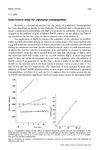
November 1971 in “Clinica Chimica Acta” The document concludes that measuring γ-glutamyl transpeptidase activity is more accurate with a higher substrate concentration and using diluted acetic acid to stop the reaction.
 22 citations
,
October 2001 in “Biochemical Pharmacology”
22 citations
,
October 2001 in “Biochemical Pharmacology” GI198745 is more potent and longer-lasting than finasteride, potentially better for treating hair loss.
 82 citations
,
May 2009 in “Development”
82 citations
,
May 2009 in “Development” EGF and KGF signalling prevent hair follicle formation and promote skin cell development in mice.
 January 2026 in “Current Issues in Molecular Biology”
 FGF-7 helps hair grow by activating hair follicles and is a promising target for hair loss treatments.
 July 2023 in “Indian Journal of Animal Health”
 FGF-5 promotes Cashmere goat hair growth by increasing keratin genes and reducing certain LncRNA and target genes.
110 citations
,
January 1995 in “European Journal of Neuroscience” Glycine is a key transmitter in rat spinal cord synapses, often alongside GABA.