 60 citations
,
January 2007 in “Human Genetics”
60 citations
,
January 2007 in “Human Genetics” AR polyglycine repeat doesn't cause baldness.
 111 citations
,
June 2002 in “The EMBO Journal”
111 citations
,
June 2002 in “The EMBO Journal” Too much Smad7 can cause serious changes in skin tissues, including problems with hair growth, thymus shrinkage, and eye development issues.
 7 citations
,
January 2021 in “The journal of gene medicine”
7 citations
,
January 2021 in “The journal of gene medicine” Certain genetic differences may affect how likely someone is to get COVID-19 and how severe it might be.
4 citations
,
May 2023 in “Cells” Baricitinib and its combination with lonafarnib improve fat cell formation in certain genetic disorders.
 2 citations
,
May 2018 in “Expert opinion on orphan drugs”
2 citations
,
May 2018 in “Expert opinion on orphan drugs” Newborn screening and gene therapy are expected to improve outcomes for Omenn syndrome patients.
25 citations
,
June 2017 in “Journal of Investigative Dermatology” HPV8 causes skin cancer by expanding specific skin stem cells.
 1 citations
,
January 2008 in “touchREVIEWS in Endocrinology”
1 citations
,
January 2008 in “touchREVIEWS in Endocrinology” Generalized glucocorticoid resistance causes hormone imbalances and varied symptoms due to gene mutations.
May 2021 in “FEBS open bio” Skin cells can naturally limit the growth of cancerous changes by balancing cell renewal and differentiation.
9 citations
,
July 2016 in “Genes” Genetic variants in PDE6H and LPAR6 cause vision impairment and hair loss in two Pakistani brothers.
5 citations
,
January 2012 in “Indian Journal of Dermatology Venereology and Leprology” Werner's syndrome causes early aging and increases cancer risk, requiring early diagnosis and symptom management.
12 citations
,
December 2013 in “Immunological Investigations” The SNP rs6457452 is linked to a higher risk of alopecia areata in Koreans.
 December 2023 in “JCEM case reports”
 A new gene variant causes glucocorticoid resistance in a mother and son.
75 citations
,
March 1998 in “Journal of Investigative Dermatology” The transgene likely activated an oncogene or interrupted a tumor suppressor gene, causing melanoma in mice.
 2 citations
,
July 2015 in “Journal of Cosmetic Dermatology”
2 citations
,
July 2015 in “Journal of Cosmetic Dermatology” No clear link between specific gene and hair loss in Mexican brothers.
 26 citations
,
December 2011 in “Journal of Investigative Dermatology”
26 citations
,
December 2011 in “Journal of Investigative Dermatology” New gene identification techniques have improved the understanding and classification of inherited hair disorders.
88 citations
,
August 1998 in “Carcinogenesis” High levels of ODC and a mutant Ha-ras gene cause tumors in mice.
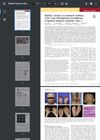 8 citations
,
April 2022 in “The journal of investigative dermatology/Journal of investigative dermatology”
8 citations
,
April 2022 in “The journal of investigative dermatology/Journal of investigative dermatology” Certain genetic changes in the LSS gene cause a rare skin and hair condition.
52 citations
,
June 1991 in “Journal of Virology” The hamster polyomavirus middle T antigen is linked to tumors in hamsters and associates with a specific tyrosine kinase.
 68 citations
,
September 2003 in “British Journal of Dermatology”
68 citations
,
September 2003 in “British Journal of Dermatology” Shrinking skin cancer increases the chance of cancer in nearby lymph nodes.
133 citations
,
January 2009 in “Nature” Lgr5 and the vitamin D receptor are key in controlling skin inflammation and tumor risk in mice.
November 2024 in “Journal of Investigative Dermatology” August 2001 in “The Journal of Cell Biology” A new keratin gene was found in mice, explaining hair growth.
6 citations
,
October 2022 in “International Journal of Molecular Sciences” Male mice with FGF5 mutations grow longer hair than females.
8 citations
,
May 2005 in “Fertility and Sterility” A specific gene variation is linked to a higher risk of polycystic ovary syndrome in Caucasian women.
93 citations
,
January 2000 in “Annals of Medicine” Mutations in the androgen receptor gene cause various disorders.
 8 citations
,
February 2015 in “Cellular immunology”
8 citations
,
February 2015 in “Cellular immunology” Deleting Snai2 and Snai3 causes fatal autoimmunity.
Genetic mutations linked to ectodermal dysplasias and hair loss were identified in Pakistani families.
 32 citations
,
January 2017 in “Orphanet journal of rare diseases”
32 citations
,
January 2017 in “Orphanet journal of rare diseases” FOXN1 gene mutations cause a rare, severe immune disease treatable with cell or tissue transplants.
July 2025 in “Journal of Investigative Dermatology” Complex basal cell carcinomas need personalized treatment due to unique genetic mutations.