Search
for
Sort by
Research
660-690 / 1000+ results
research A model system to analyse the ability of human keratinocytes to form hair follicles
Scientists developed a system to study human hair growth using skin cells, which could help understand hair development and improve skin substitutes for medical use.

research Spontaneous hair follicle germ (HFG) formation in vitro, enabling the large-scale production of HFGs for regenerative medicine
Researchers found a new way to create hair-growing structures in the lab that can grow hair when put into mice.
research Wnt Signaling, Lgr5, and Stem Cells in the Intestine and Skin
Lgr5 is a marker for active, self-renewing stem cells in the intestine and skin, important for tissue maintenance.
research Skin and hair: models for exploring organ regeneration
Skin and hair can help us understand organ regeneration, especially how certain stem cells might be used to form new organs.
research Hair Follicle Reconstruction and Stem Cells
Stem cells could improve hair growth and new treatments for baldness are being researched.
research Hair care: Stem cells control immune response during wound repair
Stem cells help control the immune response to improve wound healing.

research Cells within the bulge region of mouse hair follicle transiently proliferate during early anagen: heterogeneity and functional differences of various hair cycles
Mouse hair follicle cells briefly grow during the early hair growth phase, showing that these cells are important for starting the hair cycle.
research Role of ASLNC168501 in regulating hair follicle stem cell activity via the AR/miR-128-3p/IGF-1 pathway
ASLNC168501 may help treat hair loss by boosting hair follicle stem cell activity.
research 0887 Long-lived and genetically-diverse skin organoids derived from murine adult hair follicle stem cells
Researchers created long-lasting, diverse skin organoids from mouse hair follicle stem cells, useful for studying skin.

research Targeting IGF1‐Induced Cellular Senescence to Rejuvenate Hair Follicle Aging
Reducing IGF-1 can help rejuvenate hair follicles and prevent hair graying and loss.
research Transcription Factor DLX5 Promotes Hair Follicle Stem Cell Differentiation by Regulating the c-MYC/microRNA-29c-3p/NSD1 Axis
DLX5 helps hair follicle stem cells differentiate by activating a specific pathway.

research Trajectory of hiPSCs derived neural progenitor cells differentiation into dermal papilla-like cells and their characteristics
Human stem cells were turned into cells similar to those that help grow hair and showed potential for hair follicle formation.

research Multilayered Gel-Spotting Device for In Vitro Reconstruction of Hair Follicle-like Microstructure
The new method can create hair follicle-like structures but not complete hair with roots and shafts, needing more improvement.

research The mesenchymal component of hair follicle neogenesis: background, methods and molecular characterization
The document concludes that specific cells are essential for hair growth and more research is needed to understand how to maintain their hair-inducing properties.
research Multipotent nestin-expressing stem cells capable of forming neurons are located in the upper, middle and lower part of the vibrissa hair follicle
Stem cells in hair follicles can become neurons and other cells, especially in the upper part, useful for nerve repair.
research Implanted hair follicle stem cells form Schwann cells that support repair of severed peripheral nerves
Hair follicle stem cells can help repair damaged nerves.
research Isolation, culture and in vitro behavior of cells isolated from papillae of human hair follicles
Human papilla cells from hair follicles show unique growth behaviors but don't induce hair growth in vitro.

research Cyclin‐dependent kinase 4 expression alters the number of keratinocyte stem cells in the mouse hair follicle
Changing CDK4 levels affects the number of stem cells in mouse hair follicles.
research Nanoscale microenvironment engineering for expanding human hair follicle stem cell and revealing their plasticity
A new method was developed to grow and maintain human hair follicle stem cells for hair reconstruction.
research The multipotency of adult vibrissa follicle stem cells
Adult vibrissa follicle stem cells can regenerate hair follicles, glands, and skin.

research Tp63-expressing adult epithelial stem cells cross lineages boundaries revealing latent hairy skin competence
Adult stem cells with Tp63 can form hair and skin cells when placed in new skin, showing they have hidden abilities for skin repair.

research The Dermal Papilla: An Instructive Niche for Epithelial Stem and Progenitor Cells in Development and Regeneration of the Hair Follicle
The dermal papilla is crucial for hair growth and health, and understanding it could lead to new hair loss treatments.
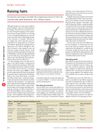
research Raising hairs
Stem cell treatments can potentially treat baldness, with one trial showing hair growth after injecting a hair-stimulating complex, and no safety issues were reported.

research Epidermal stem cells: practical perspectives and potential uses
Epidermal stem cells could lead to new treatments for skin and hair disorders.

research Targeted elimination of the follicular label-retaining cells by photo-induced cell killing caused a defect on follicular renewal on mice
Killing specific cells in hair follicles can lead to hair growth problems in mice.

research Maintaining the folliculogenicity of adult cultured epidermal cells
The research shows a potential way to regenerate hair using adult cells that have been grown and guided to produce new hair fibers.
research The River of Stem Cells
The document concludes that certain chemicals can help maintain stem cell pluripotency and that understanding cell states is crucial for tissue regeneration.

research Establishment of an immortalized mouse dermal papilla cell strain with optimized culture strategy
Researchers created a long-lasting mouse skin cell strain that may help with hair growth research and treatments.
research Lef1 Contributes to the Differentiation of Bulge Stem Cells by Nuclear Translocation and Cross-Talk with the Notch Signaling Pathway
Lef1 helps stem cells become hair cells by interacting with specific signaling pathways.