21 citations
,
December 2006 in “Archives of dermatology” A kidney transplant patient developed pink skin bumps with spiny centers on her face and limbs.
 January 2019 in “International journal of dermatology, venereology and leprosy sciences”
 Patients with chronic kidney disease often have various skin problems that affect their quality of life, but early treatment can help.
 October 2025 in “EMJ Dermatology”
 GLP-1RA therapy may increase the risk of hair loss.
11 citations
,
January 2020 in “World Journal of Traditional Chinese Medicine” Kidney-yang deficiency syndrome causes hormonal imbalances and various physical symptoms.
9 citations
,
June 2017 in “The American journal of dermatopathology/American journal of dermatopathology” The study found increased skin pigmentation and variable melanocyte density in a patient with Addison's disease.
 6 citations
,
August 2014 in “Toxicologic pathology”
6 citations
,
August 2014 in “Toxicologic pathology” Blocking DGAT1 reduces oil gland size in mice and dogs, but only mice experience hair loss.
 1 citations
,
December 2016 in “Journal of Evolution of Medical and Dental Sciences”
1 citations
,
December 2016 in “Journal of Evolution of Medical and Dental Sciences” Hemodialysis patients often experience skin issues like dryness and itching, linked to certain blood chemical levels.
Patients with graft-versus-host disease often have nail changes related to the nail matrix, with severity not linked to skin condition.

Men with benign prostate hyperplasia have more meibomian gland loss and tear film problems.
 October 2024 in “Internal Medicine”
 Stopping nalfurafine reversed hair loss in a hemodialysis patient.
82 citations
,
July 2012 in “Brain pathology” High LGR5 levels in glioblastoma indicate poor prognosis and are essential for cancer stem cell survival.
 June 2018 in “The Journal of Sexual Medicine”
 Gray-scale ultrasound effectively detects erectile tissue fibrosis in young men with erectile dysfunction after using finasteride.
 April 2026 in “Diagnostics”
 Collagenous gastritis is a rare condition causing chronic diarrhea and weight loss, often misdiagnosed due to nonspecific symptoms.
 January 2025 in “Clinical and Experimental Optometry”
 Men with androgenetic alopecia may have more severe dry eye and meibomian gland dysfunction.
32 citations
,
August 2003 in “Journal of the European Academy of Dermatology and Venereology” cGVHD often severely affects the skin, causing rapid aging and other issues.
September 2025 in “Genes & Diseases” Lgr6+ cells are important for tissue repair and could be a target for treating cancer and other diseases.
Skin changes are common in children with chronic kidney disease.
Severe hypothyroidism can cause temporary liver and kidney issues, which improve with thyroxine treatment.
June 2026 in “Skin Appendage Disorders” GLP-1 receptor agonists may increase the risk of hair loss, especially non-scarring types, due to weight loss-related nutrient deficiencies.
 4 citations
,
January 2009 in “Indian Journal of Dermatology, Venereology and Leprology”
4 citations
,
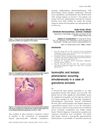
January 2009 in “Indian Journal of Dermatology, Venereology and Leprology” A patient with granuloma annulare experienced both isotopic and isomorphic responses, with skin lesions responding to steroids but relapsing after stopping treatment.
November 2012 in “Experimental and Clinical Endocrinology & Diabetes” A new genetic mutation causes severe Leydig cell hypoplasia, affecting sexual development.
 29 citations
,
May 2018 in “Clinical Endocrinology”
29 citations
,
May 2018 in “Clinical Endocrinology” Recent genetic insights show that low-renin hypertension includes a range from essential hypertension to secondary or familial forms, affecting diagnosis and treatment.
135 citations
,
December 2006 in “PLoS Medicine” Hyaluronate fragments can help reverse skin thinning by working with the CD44 receptor.
2 citations
,
January 1998 in “Neurourology and Urodynamics” AMN can cause bladder problems due to nerve damage.
Early balding may be a sign of future prostate problems.
 95 citations
,
January 2004 in “Archives of Dermatological Research”
95 citations
,
January 2004 in “Archives of Dermatological Research” Peripilar signs can help diagnose androgenetic alopecia and reveal its cause.
 January 2009 in “The Year book of dermatology”
 Ludwig pattern hair loss results from varying androgen sensitivity, causing fewer thick hairs and more thin hairs.
December 2020 in “Forum Dermatologicum” Intralesional triamcinolone acetonide can effectively limit the progression of GLPLS.
16 citations
,
August 2014 in “PubMed”  14 citations
,
July 2015 in “Journal of Cosmetic Dermatology”
14 citations
,
July 2015 in “Journal of Cosmetic Dermatology” Sebaceous glands in male pattern hair loss patients have more lobules and might cause early hair growth phase shifts.