 3 citations
,
March 2016 in “Journal of Cosmetic Dermatology”
3 citations
,
March 2016 in “Journal of Cosmetic Dermatology” GPIGS peptide increases thick hair growth in balding Japanese men.
 54 citations
,
December 2007 in “Best Practice & Research Clinical Endocrinology & Metabolism”
54 citations
,
December 2007 in “Best Practice & Research Clinical Endocrinology & Metabolism” Targeting glucocorticoid action might help treat type-2 diabetes, but human trials are needed.
1 citations
,
October 2025 in “Gels” Nanogels with hydrophobic modifications improve oral drug delivery for intestinal disease treatment.
June 2003 in “Faculty Opinions – Post-Publication Peer Review of the Biomedical Literature” GLABRA2 represses root hair formation by inhibiting a specific gene.
July 2026 in “Journal of Medicinal Chemistry” A new drug strategy improves hair loss treatment with better results and safety.
28 citations
,
November 2009 in “European Journal of Neuroscience” Progesterone and allopregnanolone increase glycine release in rat brain cells.
 February 2025 in “Advanced Composites and Hybrid Materials”
 Glutamic acid microneedle patches promote better hair growth than traditional treatments.
January 2004 in “Drug Development and Industrial Pharmacy” GI197111X is best dissolved in Capmul MCM for trials.
Poly-D,L-lactic acid boosts hair growth in aged skin by activating hair follicle stem cells.
71 citations
,
October 2017 in “Journal of Investigative Dermatology” PPAR-γ agonists like pioglitazone may help manage lichen planopilaris but don't fully reverse scarring.
 1 citations
,
September 2023 in “JCEM case reports”
1 citations
,
September 2023 in “JCEM case reports” GnRH analogues are effective for diagnosing and treating female androgen excess, offering a non-surgical option.
 24 citations
,
December 2018 in “Life sciences”
24 citations
,
December 2018 in “Life sciences” Lysophosphatidic acid is important for skin health and disease, and could be a target for new skin disorder treatments.
9 citations
,
October 2017 in “Frontiers in plant science” The peach gene CTG134 helps control the interaction between auxin and ethylene, which could lead to new agricultural chemicals.
December 2020 in “Forum Dermatologicum” Intralesional triamcinolone acetonide can effectively limit the progression of GLPLS.
Researchers created a new mouse model, G4, that mimics human PCOS symptoms and links the condition to a specific gene.
 23 citations
,
December 2017 in “Scientific Reports”
23 citations
,
December 2017 in “Scientific Reports” ARL15 is important for fat cell development and the release of the hormone adiponectin.
49 citations
,
January 2010 in “Plant and Cell Physiology” LPR1 regulates root growth under low phosphate stress independently of SIZ1 in Arabidopsis thaliana.
February 2026 in “Endokrynologia Polska” Early diagnosis and treatment are crucial for managing Berardinelli–Seip syndrome.
April 2025 in “Journal of Diabetes & Metabolic Disorders” Monitoring TGF-β and linc-PINT expression may help identify and treat high-risk heart arrhythmia patients.
 May 2024 in “Brazilian Journal of Hair Health”
 Finasteride-loaded nanoparticles were successfully created for potential improved hair growth treatment.
 6 citations
,
February 2023 in “Journal of nanobiotechnology”
6 citations
,
February 2023 in “Journal of nanobiotechnology” The new anti-acne treatment HA-P5 effectively reduces acne by targeting two key receptors and avoids an enzyme that can hinder treatment.
 October 2004 in “Australian Prescriber”
 Agalsidase alfa helps treat Fabry's disease but needs more research for long-term benefits.
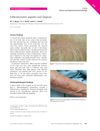 May 2014 in “Clinical and Experimental Dermatology”
 A 70-year-old woman with a rare skin condition improved after treatment with topical steroids and acitretin.
October 2024 in “International Journal of Pharmaceutics” Finasteride in lipid carriers improved hair growth in rats.
5 citations
,
May 2024 in “Molecules” Glycyrrhetinic acid from licorice may help treat acne by reducing inflammation and oil production.
 February 2024 in “Experimental Dermatology”
 IGFBP-rP1 could be a new treatment for a common type of hair loss.

L-PGDS has specific binding sites for its functions and could help in drug delivery system design.
2 citations
,
February 2023 in “F&S Reports” Elagolix did not effectively treat polycystic ovary syndrome.
 May 2023 in “Scientific Reports”
 The seed extract of Lepidium sativum L. can potentially treat hair loss, showing effects similar to 5% minoxidil.
 38 citations
,
June 2015 in “Expert Opinion on Therapeutic Targets”
38 citations
,
June 2015 in “Expert Opinion on Therapeutic Targets” Blocking the prolactin receptor might help treat various diseases, but more research is needed.