 14 citations
,
July 2010 in “Experimental Dermatology”
14 citations
,
July 2010 in “Experimental Dermatology” A new mutation in the HR gene causes hair loss in a specific family.
 50 citations
,
April 2014 in “Nature Communications”
50 citations
,
April 2014 in “Nature Communications” The research identified new skin traits in mice, some linked to human skin conditions.
 30 citations
,
June 2016 in “Journal of Human Genetics”
30 citations
,
June 2016 in “Journal of Human Genetics” Researchers found genetic mutations causing hypohidrotic ectodermal dysplasia in 88% of studied patients and identified new mutations and genetic variations affecting the disease.
 August 2025 in “International Journal of Contemporary Pediatrics”
 HLD10 can include increased body hair and Mongolian spots.
87 citations
,
July 2009 in “Journal of Cell Science” Deleting the CDSN gene causes severe skin and hair problems, leading to death.
January 2022 in “International journal of dermatology and venereology” A Chinese man with KID syndrome had a new mutation in the GJB2 gene.
June 2010 in “Chinese Journal of Dermatology” A new gene mutation is linked to monilethrix in the studied family.
April 2017 in “The journal of investigative dermatology/Journal of investigative dermatology” A girl with excessive hair growth had a genetic change on chromosome 17 that reduced the activity of two genes linked to hair growth.
49 citations
,
August 1999 in “Journal of Investigative Dermatology” Overexpressing the MSX-2 gene in mice causes skin and hair growth issues.
14 citations
,
February 2008 in “Stem Cells and Development” Seven genes are highly expressed in both germ-line and hematopoietic stem cells.
The enzyme Dgat1 is essential for healthy hair and skin by controlling retinoid levels.
79 citations
,
January 2002 in “Nucleic Acids Research” BMP-2 activates the Dlx3 gene in mouse skin cells, important for hair and skin development.
9 citations
,
January 2014 in “Molecular Genetics and Metabolism Reports” The rhg mutation in mice affects the Oat gene, causing hair growth issues and other symptoms.
8 citations
,
March 2023 in “International Wound Journal” IGF2BP3 and other m6A-related genes are linked to keloid formation and could be potential treatment targets.
 10 citations
,
January 2010 in “Veterinary pathology”
10 citations
,
January 2010 in “Veterinary pathology” A new mutation in the hairless gene causes hair loss and skin wrinkling in mice.
4 citations
,
February 2023 in “Stem Cell Research & Therapy” Mouse skin cells can become sperm-like cells in the lab.
2 citations
,
October 2023 in “Cancer Reports” Mitochondrial features can predict colorectal cancer outcomes and improve immunotherapy.
 10 citations
,
March 2019 in “Human Genetics”
10 citations
,
March 2019 in “Human Genetics” A genetic mutation in the SGK3 gene causes hairlessness in Scottish Deerhounds and may relate to human hair loss.
 5 citations
,
January 1998 in “Clinical and experimental dermatology”
5 citations
,
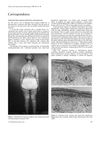
January 1998 in “Clinical and experimental dermatology” Myotonic dystrophy should be considered in patients with hair thinning, and genetic counseling is important.
 97 citations
,
March 2002 in “Molecular and cellular biology”
97 citations
,
March 2002 in “Molecular and cellular biology” Mutant CDP/Cux protein causes hair defects and reduced male fertility in mice.
 August 2023 in “Acta Scientific Paediatrics”
 A baby from an Indian family had a rare genetic disorder causing no scalp or body hair due to a specific gene deletion.
 March 2024 in “Cytologia”
 LncRNA MTC boosts growth of goat skin cells, improving cashmere quality.
 November 2022 in “Journal of the Endocrine Society”
 A boy with a new NR5A1 gene mutation has a sex development disorder without affecting his adrenal glands.
Loss of Dnmt3a and Dnmt3b increases aggressive skin tumors by affecting PPAR-γ.
 1 citations
,
June 2021 in “bioRxiv (Cold Spring Harbor Laboratory)”
1 citations
,
June 2021 in “bioRxiv (Cold Spring Harbor Laboratory)” GTL1 is needed to control root hair growth and prevent problems when there are too many nutrients.
 1 citations
,
October 2022 in “Molecular therapy”
1 citations
,
October 2022 in “Molecular therapy” The FDA approved the first gene therapy for a blood disorder after overcoming early challenges and demonstrating patient benefits.
 November 2022 in “Gigascience”
 A specific genetic deletion in goats affects cashmere yield and thickness.
Melatonin reduces BMP2 gene expression in goat hair follicles during the resting period.
11 citations
,
October 2007 in “Journal of Investigative Dermatology” Mutations in the Sgk3 gene cause fuzzy hair in mice.
The scant hair in snthr-1Bao mice is likely caused by a deletion affecting the Plcd1 gene.