2 citations
,
August 2021 in “Animal Cells and Systems” Egfl6 is not needed for zebrafish face development.
5 citations
,
March 1993 in “The Journal of Cell Biology” A soluble factor in developing mouse whisker pads boosts nerve growth factor mRNA production.
 15 citations
,
December 2016 in “Advanced Pharmaceutical Bulletin”
15 citations
,
December 2016 in “Advanced Pharmaceutical Bulletin” The new cream with N-acetyl glucosamine didn't change skin color after 8 weeks.
 October 2023 in “Psychiatry research. Case reports”
 A new HRAS gene variant may cause a range of symptoms including intellectual disability and psychiatric issues.
7 citations
,
June 2020 in “npj regenerative medicine” GDNF helps grow hair and heal skin wounds by acting on hair stem cells.
10 citations
,
June 2021 in “Journal of Investigative Dermatology” 20 citations
,
March 2014 in “Molecular Endocrinology” NFIB and STAT5 work together to control specific genetic programs in cells.
 October 2023 in “Case reports in dermatological medicine”
 A Jordanian family with Clouston syndrome has a common GJB6 gene mutation.
2 citations
,
January 2022 in “The Application of Clinical Genetics” A young Russian girl with Meier-Gorlin syndrome has two new mutations in the CDC6 gene.
November 2025 in “Clinical and Translational Medicine” DNAJB9 cfRNA could help diagnose and treat female hair loss.
 27 citations
,
September 1999 in “Journal of Investigative Dermatology”
27 citations
,
September 1999 in “Journal of Investigative Dermatology” Human skin cells contain Protease Nexin-1, and male hormones can decrease its levels, potentially affecting hair growth.
 24 citations
,
June 2012 in “BMC Research Notes”
24 citations
,
June 2012 in “BMC Research Notes” The HGCA tool helps identify genes that work together by analyzing their co-expression patterns.
1 citations
,
July 2025 in “Genetics Selection Evolution” Nerve cells and other cell types work together to start horn growth in dairy goats.
 11 citations
,
August 2019 in “Journal of Molecular Histology”
11 citations
,
August 2019 in “Journal of Molecular Histology” NFIC helps rat dental cells grow and turn into bone-like cells.
 November 2023 in “Scientific Reports”
 A gene mutation in Lama3 is linked to a common type of hair loss.
The agouti gene may help understand and treat obesity.
3 citations
,
December 2014 in “Annals of Laboratory Medicine” A Korean baby with nevus sebaceus syndrome was found to have a KRAS gene mutation.
 23 citations
,
December 2013 in “British Journal of Dermatology”
23 citations
,
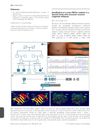
December 2013 in “British Journal of Dermatology” A new gene mutation linked to a skin condition was found in a Spanish family.
118 citations
,
June 1993 in “Journal of Biological Chemistry” Human and mouse TGase3 enzymes are similar but differ near the activation site, crucial for their function in skin and hair development.
 11 citations
,
March 2014 in “Journal of The European Academy of Dermatology and Venereology”
11 citations
,
March 2014 in “Journal of The European Academy of Dermatology and Venereology” Hair loss gene linked to prostate issues.
 April 2023 in “bioRxiv (Cold Spring Harbor Laboratory)”
 Sweat gland development involves two unique skin cell programs and a temporary skin environment.
The scant hair in snthr-1Bao mice is likely caused by a deletion affecting the Plcd1 gene.
189 citations
,
May 1999 in “Microscopy Research and Technique” Neurotrophins, especially NGF, are crucial for pain development and management.
 11 citations
,
March 2020 in “American Journal of Medical Genetics Part A”
11 citations
,
March 2020 in “American Journal of Medical Genetics Part A” A mutation in the EDNRA gene causes Oro-Oto-Cardiac syndrome, affecting face and heart development.
January 2011 in “The Chinese Journal of Dermatovenereology” Shorter GGN repeats in the androgen receptor gene are linked to androgenetic alopecia.
9 citations
,
January 2014 in “Molecular Genetics and Metabolism Reports” The rhg mutation in mice affects the Oat gene, causing hair growth issues and other symptoms.
16 citations
,
December 2020 in “PloS one” Researchers found WNT10A to be a key gene in developing goat hair follicles.
63 citations
,
May 2015 in “PloS one” GALT5 and GALT2 are important for plant growth and development because they help with protein glycosylation.
September 2025 in “Stem Cell Research & Therapy” TAZ boosts fat cell formation in goat stem cells by activating a specific signaling pathway.
June 2003 in “Faculty Opinions – Post-Publication Peer Review of the Biomedical Literature” GLABRA2 represses root hair formation by inhibiting a specific gene.