11 citations
,
January 2015 in “Journal of cellular physiology” HR protein causes abnormal hair cycles by increasing Tgf-β2 and reducing miR-31.
 38 citations
,
July 1998 in “Journal of surgical oncology”
38 citations
,
July 1998 in “Journal of surgical oncology” A woman with breast cancer developed a rare condition causing excessive fine hair growth on her face and body.
January 2009 in “Bradford Scholars (University of Bradford)” BMP signaling helps prevent skin tumors by blocking cancer-promoting pathways.
Metabolic processes and key genes like FGF5, FGFR1, and RRAS significantly affect hair follicle growth in Inner Mongolian Cashmere goats.
1 citations
,
January 2011 in “Journal of Animal Science and Veterinary Medicine” Injecting melatonin improves cashmere yield by enhancing fiber growth in goats.
 January 2021 in “Figshare”
 Melatonin helps Cashmere goat hair follicles grow by affecting stem cell signals and the surrounding microenvironment.
EGF and EGFR are important for goat skin development, increasing from weeks 6 to 21.
July 2026 in “Cosmoderma” Trichoscopy can identify specific hair patterns in tinea capitis before and after treatment.
20 citations
,
July 2005 in “Experimental dermatology” The fuzzy gene is crucial for controlling hair growth cycles.
 29 citations
,
August 1985 in “Contact Dermatitis”
29 citations
,
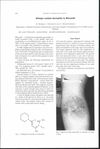
August 1985 in “Contact Dermatitis” Minoxidil can cause allergic reactions like burning, itching, and red bumps.
 18 citations
,
August 2018 in “The FASEB journal”
18 citations
,
August 2018 in “The FASEB journal” Rabbits lacking the Hoxc13 gene show similar hair and skin issues to humans with ECTD-9, making them good for research on this condition.
 1 citations
,
July 2024 in “Indian Journal of Case Reports”
1 citations
,
July 2024 in “Indian Journal of Case Reports” GAPO syndrome causes growth issues, hair loss, missing teeth, and vision problems.
9 citations
,
July 2021 in “Frontiers in genetics” Melatonin makes cashmere grow earlier and more by increasing certain gene activity in goats.
7 citations
,
July 2024 in “Animals” The Shh gene controls cell growth and death in cashmere goat hair follicles, affecting hair growth.
3 citations
,
January 2014 in “Indian dermatology online journal” Hair casts can be mistaken for lice, so correct identification is important.
 22 citations
,
August 1999 in “Experimental Dermatology”
22 citations
,
August 1999 in “Experimental Dermatology” Certain drugs can cause early hair growth in mice by affecting the nerves.
2 citations
,
February 2013 in “Journal of the Saudi Society for Dermatology & Dermatologic Surgery” New hair spray caused a hair shaft disorder.
34 citations
,
August 2005 in “Veterinary Dermatology” Goats may need lifelong zinc supplements due to hereditary zinc absorption issues.
 July 2025 in “Clinical Dermatology Review”
 A rare family case of multiple benign hair follicle tumors was identified, highlighting the need to distinguish them from similar conditions.
 2 citations
,
April 2018 in “Pediatric dermatology”
2 citations
,
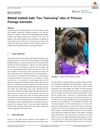
April 2018 in “Pediatric dermatology” Elaborate princess hairstyles at a theme park caused hair loss and scalp damage in young girls.
 January 2018 in “Jaypee Brothers Medical Publishers (P) Ltd. eBooks”
 Scalp micropigmentation is a process where tiny dots of pigment are tattooed onto the scalp to create the appearance of a shaved head or fuller hair.
 November 2023 in “International Journal of Infectious Diseases”
 A girl with head lice was successfully treated with sulfur ointment and hair shaving.
 June 2021 in “Research Square (Research Square)”
 Melatonin can increase cashmere yield by altering gene expression and restarting the growth cycle early.
20 citations
,
December 2013 in “PTR. Phytotherapy research/Phytotherapy research” Ginsenoside Rg3 may help hair growth by increasing a growth-related protein in hair cells.
17 citations
,
May 2022 in “Cells and Development” January 2009 in “Nova Science Publishers (Nova Science Publishers, Inc.)” Tick bites cause skin damage and long-lasting reactions.
81 citations
,
September 2013 in “PLoS ONE” Primary and secondary hair follicle cells in Cashmere goats have different gene expressions affecting hair growth and size.
 July 2015 in “Actas Dermo-Sifiliográficas”
 A woman experienced excessive hair growth after using a hair loss treatment with minoxidil.
 108 citations
,
July 2002 in “Molecular and cellular biology”
108 citations
,
July 2002 in “Molecular and cellular biology” Overexpressing Dsg3 in mice skin causes excessive cell growth and abnormal skin development.