 11 citations
,
October 2021 in “Stem Cell Research & Therapy”
11 citations
,
October 2021 in “Stem Cell Research & Therapy” Hair follicle stem cells reduced hair loss and inflammation in mice with a condition similar to human alopecia.
 5 citations
,
April 2021 in “Biomedicines”
5 citations
,
April 2021 in “Biomedicines” The engineered skin substitute helped grow skin with hair on mice.
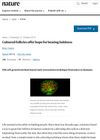
Growing hair follicles from cultured cells could potentially treat baldness, but more research is needed.
 July 2024 in “Journal of Investigative Dermatology”
 A single medium, PRIME AIRLIFT, supports better human hair follicle formation in grafts.
12 citations
,
June 2012 in “Wound Repair and Regeneration” Regulating keratinocyte growth in engineered skin can improve wound healing.
33 citations
,
November 2007 in “JAT. Journal of applied toxicology/Journal of applied toxicology” Human scalp hair on mice can effectively monitor mercury exposure.
 8 citations
,
January 2019 in “Experimental Dermatology”
8 citations
,
January 2019 in “Experimental Dermatology” The 3D skin model is better for hair growth research and testing treatments.
April 2021 in “Journal of Investigative Dermatology” Early-stage skin substitutes improve wound healing and skin structure.
 8 citations
,
November 2020 in “Frontiers in Cell and Developmental Biology”
8 citations
,
November 2020 in “Frontiers in Cell and Developmental Biology” Certain genes are more active in baby scalp cells and can help grow hair when added to adult mouse skin cells.
 53 citations
,
November 2006 in “Journal of Endocrinology”
53 citations
,
November 2006 in “Journal of Endocrinology” Prolactin slows down hair growth in mice.
14 citations
,
March 2019 in “European journal of pharmaceutics and biopharmaceutics” Proretinal nanoparticles improve skin absorption and reduce irritation of topical retinoids.
 12 citations
,
September 2020 in “Stem cell research & therapy”
12 citations
,
September 2020 in “Stem cell research & therapy” Adult skin cell-based early-stage skin substitutes improve wound healing and hair growth in mice.
 9 citations
,
August 2013 in “Journal of Tissue Engineering and Regenerative Medicine”
9 citations
,
August 2013 in “Journal of Tissue Engineering and Regenerative Medicine” Transplanted baby mouse skin cells grew normal hair using a new, efficient method.
 6 citations
,
May 2004 in “Facial Plastic Surgery Clinics of North America”
6 citations
,
May 2004 in “Facial Plastic Surgery Clinics of North America” By 2004, Follicular Unit Transplantation (FUT) was the most effective method for surgical hair restoration, while the newer Follicular Unit Extraction (FUE) had more disadvantages and was less recommended.
 5 citations
,
June 2019 in “British Journal of Dermatology”
5 citations
,
June 2019 in “British Journal of Dermatology” Tofacitinib was more effective than apremilast in treating hair loss in a mouse model of alopecia areata.
 4 citations
,
July 2014 in “Journal of Investigative Dermatology”
4 citations
,
July 2014 in “Journal of Investigative Dermatology” Old people have less hair because their hair follicles don't regenerate as well, not because of fewer stem cells, and a protein called follistatin might help reactivate hair growth.
2 citations
,
November 2019 in “FEBS open bio” Combining specific inducers helps dermal papilla cells regain hair-forming ability.
1 citations
,
December 2024 in “The Journal of Dermatology” The study developed mouse models to help research and treat hair and sweat gland issues.
 November 2025 in “Bioengineering”
 The new method may improve skin grafts and hair growth.
 June 2022 in “bioRxiv (Cold Spring Harbor Laboratory)”
 ILC1-like cells can cause alopecia areata by attacking hair follicles.
 January 2021 in “Figshare”
 Metformin helps regenerate hair follicles in lab conditions.
 3 citations
,
May 2011 in “International Journal of Dermatology”
3 citations
,
May 2011 in “International Journal of Dermatology” Using an epidural needle in hair restoration surgery can reduce grafts popping out, make the procedure easier, and result in natural-looking hairlines without obvious scarring.
1 citations
,
July 2025 in “Scientific Reports” CD133+ cells are crucial for hair growth.
 6 citations
,
February 2016 in “The journal of investigative dermatology/Journal of investigative dermatology”
6 citations
,
February 2016 in “The journal of investigative dermatology/Journal of investigative dermatology” A new model using mice with human hair follicles helps better understand hair loss from chemotherapy.
 January 2007 in “Elsevier eBooks”
 Alopecia areata is a reversible, autoimmune-related hair loss that can have significant emotional impact and uncertain treatment effectiveness.
 82 citations
,
March 2016 in “Autoimmunity reviews”
82 citations
,
March 2016 in “Autoimmunity reviews” Animal models have helped understand hair loss from alopecia areata and find new treatments.
 63 citations
,
September 2009 in “Regenerative Medicine”
63 citations
,
September 2009 in “Regenerative Medicine” Scientists found a way to grow human hair cells in a lab that can create new hair when transplanted.
 24 citations
,
August 2011 in “Experimental Dermatology”
24 citations
,
August 2011 in “Experimental Dermatology” The flap assay grows the most natural hair but takes the longest, the chamber assay is hard work but gives dense, normal hair, and the patch assay is quick but creates poorly oriented hair with some issues.
 1 citations
,
March 2018 in “bioRxiv (Cold Spring Harbor Laboratory)”
1 citations
,
March 2018 in “bioRxiv (Cold Spring Harbor Laboratory)” The hair treatment made hair grow faster and thicker and strengthened the hair roots.

Hair follicle-derived sheets can effectively treat vitiligo by repigmenting skin.