33 citations
,
January 2015 in “Journal of Ginseng Research” Ginsenoside Rg3 from Panax ginseng can lighten skin by reducing melanin production.
 1 citations
,
April 2022 in “Regenerative Therapy”
1 citations
,
April 2022 in “Regenerative Therapy” Activating the GDNF-GFRα1-RET signaling pathway could potentially promote skin and limb regeneration in humans and could be used to treat hair loss and promote wound healing.
 October 2004 in “Australian Prescriber”
 Agalsidase alfa helps treat Fabry's disease but needs more research for long-term benefits.
 68 citations
,
April 2002 in “Journal of Alternative and Complementary Medicine”
68 citations
,
April 2002 in “Journal of Alternative and Complementary Medicine” Natural 5AR inhibitors effectively improve mild to moderate hair loss in men.
 23 citations
,
December 1995 in “Archives of Dermatology”
23 citations
,
December 1995 in “Archives of Dermatology” Combination therapy improves hair growth in advanced hair loss.
15 citations
,
March 2000 in “The journal of investigative dermatology/Journal of investigative dermatology” As skin cells mature, vitamin D receptor levels decrease while retinoid X receptor α levels increase.
March 2019 in “Reactions Weekly” 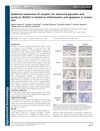 10 citations
,
November 2015 in “Experimental Dermatology”
10 citations
,
November 2015 in “Experimental Dermatology” Skin RAGE levels are linked to inflammation and cell death.
1 citations
,
April 2015 in “The FASEB journal” UVB exposure increases skin proteins for retinoic acid synthesis and shifts their location, possibly affecting skin repair.
 3 citations
,
March 2017 in “Regulatory toxicology and pharmacology”
3 citations
,
March 2017 in “Regulatory toxicology and pharmacology” Aleglitazar and its major metabolite are safe enough to proceed to Phase 3 clinical trials.
 3 citations
,
July 2020 in “Frontiers in Cell and Developmental Biology”
3 citations
,
July 2020 in “Frontiers in Cell and Developmental Biology” Vitexin Compound 1 may help reduce skin aging caused by UVA light.
12 citations
,
October 1978 in “PubMed” Ro 10-9359 is an effective treatment for severe psoriasis but can cause side effects.
 August 2023 in “Journal of Investigative Dermatology”
 Ganoderma lucidum extract and its component, ganoderic acid A, may effectively prevent hair loss.
February 2025 in “International Journal of Biological Macromolecules” The hydrogel effectively treats hair loss using light to release nitric oxide.
39 citations
,
August 1998 in “FEBS Letters” Two new enzymes, PAD-R11 and PAD-R4, were cloned and showed activity, with PAD-R11 resembling epidermal enzymes.
 March 2005 in “Journal of the American Academy of Dermatology”
 Bexarotene 1% topical gel helped some patients with alopecia areata regrow hair.
 January 1990 in “Irish Journal of Medical Science (1971 -)”
 Retinoids are important for treating skin conditions but should be used with caution due to serious side effects and risks during pregnancy.
136 citations
,
April 2010 in “British Journal of Dermatology” Acitretin is effective for severe skin conditions but has significant side effects and requires careful monitoring.
84 citations
,
September 2008 in “Developmental biology” Retinoic acid-binding proteins in skin are regulated by β-catenin and Notch signalling.
February 2026 in “Chemical Engineering Journal” PCA hydrogel promotes hair growth by enhancing blood vessel formation and hair follicle stem cell activity.
31 citations
,
August 2018 in “Journal of biomedical nanotechnology” Licorice root-derived nanoparticles target liver cancer cells to improve treatment and reduce side effects.
10 citations
,
August 2020 in “Acta histochemica” All-trans-retinoic acid stops mink hair growth by affecting cell growth and causing cell death.
2 citations
,
January 2014 in “Photochemical & photobiological sciences” Grasp protein helps maintain skin health after UVB exposure.
 April 2024 in “Bioactive materials”
 New microneedle treatment with growth factors and a hair loss drug shows better and faster hair growth results than current treatments.
42 citations
,
August 1995 in “British journal of dermatology/British journal of dermatology, Supplement” RXR-alpha is strongly expressed in both normal and psoriatic skin and may help in skin cell differentiation and hair growth.
3 citations
,
August 2000 in “Anatomia Histologia Embryologia” Prenatal retinoic acid exposure did not affect mouse vibrissal follicle development.
46 citations
,
April 1982 in “Journal of the American Academy of Dermatology” Isotretinoin shrinks sebaceous glands without affecting hair or skin color, unlike etretinate.
 April 2018 in “Journal of Investigative Dermatology”
 Resveratrol activates the Nrf2 pathway in human skin, significantly increasing the production and distribution of the antioxidant glutathione.
 10 citations
,
December 2005 in “Aktuelle Dermatologie”
10 citations
,
December 2005 in “Aktuelle Dermatologie” Alfatradiol (0.025%) is an effective and safe treatment for hair loss in both women and men.
January 2025 in “Figshare” Compound glycyrrhizin combined with conventional treatments effectively and safely promotes hair regrowth in alopecia areata patients.