
Accurate diagnosis and new therapies are crucial for effectively treating certain types of hair loss.
 March 2026 in “Indian Dermatology Online Journal”
 Dermoscopy can help diagnose secondary syphilis by distinguishing it from other skin issues.
January 2026 in “Medicina” JAK inhibitors show promise for treating various skin disorders effectively and safely.
 October 2025 in “Journal of Nanobiotechnology”
 The hydrogel helps wounds heal better by reducing inflammation and promoting skin regeneration.
 August 2024 in “Clinical Cosmetic and Investigational Dermatology”
 Enzyme injections can effectively treat epidermoid cysts without surgery.
April 2024 in “Journal of clinical medicine” Recognizing specific skin features helps diagnose and manage lupus erythematosus effectively.
April 2024 in “Cosmetics” Microneedling improves skin and hair conditions by enhancing treatment absorption and stimulating growth factors.
 August 2023 in “International Journal of Molecular Sciences”
 Liposomes show promise for delivering CRISPR for gene editing but face challenges like delivery efficiency and safety concerns.
May 2023 in “Asian Journal of Transfusion Science” Platelet-rich plasma helps treat hair loss, and better screening improves transfusion safety.
 489 citations
,
November 2021 in “Signal Transduction and Targeted Therapy”
489 citations
,
November 2021 in “Signal Transduction and Targeted Therapy” The JAK/STAT pathway is important in cell processes and disease, and JAK inhibitors are promising for treating related conditions.
277 citations
,
December 2019 in “Frontiers in Immunology” JAK inhibitors show promise for treating skin disorders like alopecia, eczema, and psoriasis.
 18 citations
,
November 2021 in “Anais Brasileiros de Dermatologia”
18 citations
,
November 2021 in “Anais Brasileiros de Dermatologia” COVID-19 can cause various skin issues, like rashes and lesions, which are more common in younger patients and can be linked to more severe complications.
3 citations
,
June 2024 in “International Journal of Molecular Sciences” Prolactin affects skin health and may lead to new treatments for skin and hair issues.
23 citations
,
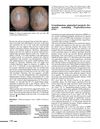
February 2003 in “British Journal of Dermatology” A rare type of skin lymphoma was identified, affecting hair follicles and sweat glands.
 8 citations
,
July 2018 in “European Journal of Dermatology”
8 citations
,
July 2018 in “European Journal of Dermatology” A medication may help with hair growth in psoriasis, and a skin condition might be linked to a specific bacteria.
5 citations
,
March 2013 in “Journal of Cutaneous Pathology” Granulomatous alopecia may be a distinct subtype of alopecia areata.
2 citations
,
May 2020 in “JAAD case reports” Ruxolitinib can cause a delayed skin reaction on the nose.
June 2026 in “Indian Dermatology Online Journal” Granulomatous inflammation in alopecia areata is rare and needs careful diagnosis to avoid confusion with other conditions.
June 2025 in “American Journal of Dermatopathology” Granulomatous Alopecia Areata is rare and may be caused by hair antigens or follicle destruction.
 July 2024 in “Romanian Journal of Veterinary Sciences”
 Cyclosporine improved skin condition in dogs with sebaceous adenitis.
 November 2023 in “The Bovine practitioner”
 A bull got very sick and had to be put down after eating hairy vetch for months.
 June 2023 in “British journal of dermatology/British journal of dermatology, Supplement”
 A woman with rheumatoid arthritis had a unique type of scarring hair loss not caused by infection, requiring early treatment to avoid permanent hair loss.
 June 2023 in “British journal of dermatology/British journal of dermatology, Supplement”
 A woman's rare hair loss condition improved on its own, suggesting this type might recover like common cases.
January 2022 in “JAAD case reports” Granulomatous alopecia areata is a rare but real form of hair loss.
October 2015 in “The American Journal of Gastroenterology” Allopurinol may cause rare granulomatous microscopic colitis.
December 2009 in “Journal of Veterinary Clinics” The dog's back mass was a keratoacanthoma with inflammation, successfully removed without recurrence.
 152 citations
,
March 1988 in “Journal of The American Academy of Dermatology”
152 citations
,
March 1988 in “Journal of The American Academy of Dermatology” Superficial granulomatous pyoderma is a unique, mild form of skin disease that often heals without strong medication and responds well to milder treatments.
24 citations
,
June 1999 in “The Pediatric Infectious Disease Journal” A child with Sweet syndrome was found to have chronic granulomatous disease and improved with treatment.