35 citations
,
July 2010 in “The FEBS journal” The study found a specific peptide that helps detect TGase 3 activity in skin and hair follicles.
 November 2022 in “The journal of investigative dermatology/Journal of investigative dermatology”
 The skin care product prevents and removes pollen allergens from the skin.
 May 2023 in “Tạp chí Y Dược học Cần Thơ”
 The shampoo with grapefruit peel and Gleditsia sinensis helps mice grow hair faster, more, and longer.
1 citations
,
June 1998 in “Journal of Forestry Research” Mammalian hair scales change from smooth to wavy due to friction.
January 2023 in “University of Thessaly Institutional Repository (University of Thessaly)”  August 2026 in “Dermatology and Therapy”
 Weight loss with GLP-1 therapy can cause skin sagging and hair loss but improves some skin conditions.
 10 citations
,
May 1978 in “Acta Dermato Venereologica”
10 citations
,
May 1978 in “Acta Dermato Venereologica” Pustules in toxic erythema are linked to hair follicles or sweat ducts.
33 citations
,
January 1977 in “PubMed” Feeding rats oxidized rapeseed oil and lard caused weight loss, organ damage, and toxicity symptoms.
4 citations
,
October 2007 in “PubMed” Polyquaternium-70 shampoo is best for reducing frizz.
 September 2022 in “Piretc”
 Oil availability can significantly impact a country's economic growth.
July 2026 in “Journal of the American Academy of Dermatology” Acanthosis Nigricans is the most common skin sign of insulin resistance.
 November 2016 in “Journal of Evolution of Medical and Dental Sciences”
 Elderly people often have skin issues like wrinkles, dryness, and benign tumors, needing special dermatology care.
September 2001 in “Swiss Medical Forum ‒ Schweizerisches Medizin-Forum” 4 citations
,
July 2014 in “The Journal of Dermatology” Plaque-type herpetic folliculitis affects eccrine glands.
 7 citations
,
June 2020 in “Experimental dermatology”
7 citations
,
June 2020 in “Experimental dermatology” Researchers found that certain lipids, especially vitamin D3, are lower in prematurely grey hair than in pigmented hair.

Padina arborescens and its component MOGG may help prevent hair loss through several actions, including blocking a hair loss-related enzyme.
 December 2010 in “Zanco Journal of Medical Sciences”
 Acne is more common and severe in females, often with pre-menstrual flare-ups and associated with seborrhea.
27 citations
,
December 1999 in “American Journal of Dermatopathology” Necrobiosis lipoidica may need new criteria for accurate diagnosis due to similarities with another condition.
 3 citations
,
March 2016 in “Journal of Cosmetic Dermatology”
3 citations
,
March 2016 in “Journal of Cosmetic Dermatology” GPIGS peptide increases thick hair growth in balding Japanese men.
25 citations
,
May 2008 in “Journal of cosmetic dermatology” Conditioning agents, especially jojoba oil and lauryl PEG/PPG-18/18 methicone, protect and strengthen chemically straightened Afro-ethnic hair.
40 citations
,
January 1985 in “Tissue and Cell” Sebum production in sebaceous glands is similar to hair growth, involving cell development and degeneration.
22 citations
,
November 1979 in “Archives of dermatology” A woman with Fox-Fordyce disease had symptom relief using tretinoin cream.
 2 citations
,
March 2015 in “Toxicology and Environmental Health Sciences”
2 citations
,
March 2015 in “Toxicology and Environmental Health Sciences” Rice bran extract caused moderate skin irritation but no eye irritation, while a diluted essence was not irritating to skin and only slightly to guinea pigs.
19 citations
,
May 2010 in “Surface and interface analysis” 18-MEA is essential for hair's water resistance, and a conditioner with 18-MEA and SPDA can restore it.
 January 2025 in “Clinical and Experimental Optometry”
 Men with androgenetic alopecia may have more severe dry eye and meibomian gland dysfunction.
1 citations
,
January 2025 in “Journal of Cosmetic Dermatology” Maintaining a balanced scalp microbiome can help reduce itchiness.
 2 citations
,
January 2007 in “Acta Dermato Venereologica”
2 citations
,
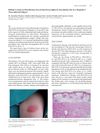
January 2007 in “Acta Dermato Venereologica” A patient developed a blister at the injection site after hepatitis C treatment.
8 citations
,
February 2005 in “International Journal of Cosmetic Science” Applying a special soy milk extract on skin can make it more elastic and hydrated.
2 citations
,
July 2019 in “Indian dermatology online journal” A 17-year-old girl and her brothers have a rare hair condition with long eyelashes, thick eyebrows, and easily pluckable hair.