September 2022 in “Applied sciences” Combining micro-needling, LED therapy, and growth factors with Finasteride® significantly improves hair growth.
January 2020 in “Global dermatology” The growth factor cocktail significantly increased hair growth in patients with androgenetic alopecia.
Combining PRP with a special lotion is more effective for hair loss than PRP alone.
 January 2016 in “Global dermatology”
 A treatment called Cellcurin, combined with microneedling, significantly increased hair density and diameter in patients with hair loss.
 26 citations
,
July 2003 in “Journal of Cutaneous Medicine and Surgery”
26 citations
,
July 2003 in “Journal of Cutaneous Medicine and Surgery” Minoxidil solution safely and effectively treats hair loss.
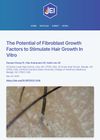
Some fibroblast growth factors may promote hair growth similarly to minoxidil and could potentially treat hair loss.
 August 2018 in “Journal of Investigative Dermatology”
 Polyunsaturated fatty acids, like arachidonic acid and eicosapentaenoic acid, can promote hair growth and may help treat hair loss.
 June 1996 in “Archives of Dermatology”
 Minoxidil, tretinoin, and finasteride may help hair regrowth in mild to moderate androgenetic alopecia.
109 citations
,
April 1998 in “Journal of Investigative Dermatology” HGF/SF injections can stimulate hair growth and increase hair follicle size in mice.
 100 citations
,
June 2011 in “Journal of The American Academy of Dermatology”
100 citations
,
June 2011 in “Journal of The American Academy of Dermatology” 5% minoxidil foam once daily works as well as 2% minoxidil solution twice daily for female hair growth and is more convenient.
56 citations
,
June 2002 in “Biomaterials” Controlled release of VEGF in a collagen hydrogel boosts hair growth in mice.
 46 citations
,
August 2003 in “The journal of investigative dermatology/Journal of investigative dermatology”
46 citations
,
August 2003 in “The journal of investigative dermatology/Journal of investigative dermatology” Phosphatidic acid may help hair grow by affecting cell growth pathways.
32 citations
,
April 2011 in “Journal of the American Academy of Dermatology” Erlotinib may cause scarring hair loss.
 25 citations
,
August 2010 in “Journal of Biological Chemistry”
25 citations
,
August 2010 in “Journal of Biological Chemistry” Nuclear Factor I-C is important for controlling hair growth by affecting the TGF-β1 pathway.
 7 citations
,
January 2017 in “Biological & Pharmaceutical Bulletin”
7 citations
,
January 2017 in “Biological & Pharmaceutical Bulletin” Certain compounds from Panax ginseng can block proteins that affect hair growth, potentially helping treat hair loss.
6 citations
,
November 2020 in “Chinese Medical Journal” Combining minoxidil and fibroblast growth factor is more effective for treating male hair loss than using either alone.
 6 citations
,
March 2019 in “Dermatologic surgery”
6 citations
,
March 2019 in “Dermatologic surgery” Chilled ATPv-supplemented saline best preserves hair grafts' key genes.
6 citations
,
July 2015 in “JAAD Case Reports” Doxycycline can effectively treat hair loss caused by EGFR inhibitors.
 6 citations
,
November 2007 in “British Journal of Dermatology”
6 citations
,
November 2007 in “British Journal of Dermatology” Fulvestrant solution doesn't help hair loss in men and postmenopausal women.
 4 citations
,
July 2020 in “BMC Complementary Medicine and Therapies”
4 citations
,
July 2020 in “BMC Complementary Medicine and Therapies” Human placenta helps hair grow back after chemotherapy by blocking cell death and increasing hair follicle growth.
 4 citations
,
January 2010 in “Laboratory Animal Research”
4 citations
,
January 2010 in “Laboratory Animal Research” Sodium silicate helped mouse hair grow similarly to a known hair growth treatment.
 1 citations
,
October 2022 in “Annals of Translational Medicine”
1 citations
,
October 2022 in “Annals of Translational Medicine” Cucurbitacin helps mice grow hair by blocking a protein that stops hair growth.
 1 citations
,
November 2008
1 citations
,
November 2008 Yonnyuniksoogobon-dan taken orally promotes hair growth by affecting growth factors in hair roots.
March 2026 in “Journal of Cosmetic Dermatology” Keratinocyte Growth Factor-Hair Serum may help prevent hair loss during chemotherapy, but more research is needed.
 August 2024 in “Journal of Cosmetic Dermatology”
 CGF injections may safely and effectively promote hair growth in androgenetic alopecia patients.
 June 2024 in “Skin Appendage Disorders”
 Both PRP and MZT treatments can significantly improve hair growth in patients with androgenetic alopecia.
November 2025 in “Cosmetics” Centella asiatica with growth factors improves hair and scalp health.
 219 citations
,
March 2004 in “Journal of The American Academy of Dermatology”
219 citations
,
March 2004 in “Journal of The American Academy of Dermatology” 5% and 2% minoxidil solutions effectively promote hair growth and reduce hair loss, with 5% being slightly more effective but having more side effects.
 20 citations
,
June 2014 in “BMC genomics”
20 citations
,
June 2014 in “BMC genomics” Poplar seed hairs grow from the placenta at the ovary base, with endoreduplication playing a key role in their development, and share similar cellulose synthesis processes with cotton fibers.
 11 citations
,
January 2004 in “Exogenous dermatology”
11 citations
,
January 2004 in “Exogenous dermatology” Outside factors like grooming, chemicals, and the environment can damage hair and cause disorders.