 90 citations
,
October 1983 in “British Journal of Dermatology”
90 citations
,
October 1983 in “British Journal of Dermatology” The unit area trichogram is a reliable method to assess hair loss and treatment response in people with androgenic alopecia by measuring hair density and thickness.
 72 citations
,
July 2012 in “Journal of Investigative Dermatology”
72 citations
,
July 2012 in “Journal of Investigative Dermatology” Mice lacking a key DNA methylation enzyme in skin cells have a lower chance of activating stem cells necessary for hair growth, leading to progressive hair loss.
69 citations
,
May 1997 in “Veterinary Pathology” The angora mouse mutation causes long hair and hair defects due to a gene deletion.
 68 citations
,
March 2018 in “Biomaterials”
68 citations
,
March 2018 in “Biomaterials” Tiny needles with valproic acid can effectively regrow hair.
 68 citations
,
April 2012 in “Journal of Investigative Dermatology”
68 citations
,
April 2012 in “Journal of Investigative Dermatology” The conclusion is that Fgf18 and Tgf-ß signaling could be targeted for hair loss treatments.
 66 citations
,
May 2012 in “Scientific Reports”
66 citations
,
May 2012 in “Scientific Reports” Scientists successfully created and transplanted bioengineered hair follicles that function like natural ones, suggesting a new treatment for hair loss.
 65 citations
,
September 2004 in “The American journal of pathology”
65 citations
,
September 2004 in “The American journal of pathology” Blocking BMP signaling causes hair loss and disrupts hair growth cycles.
 62 citations
,
January 2000 in “Developmental dynamics”
62 citations
,
January 2000 in “Developmental dynamics” Notch-related genes play a key role in the development and cycling of hair follicles.
 56 citations
,
January 2001 in “Dermatology”
56 citations
,
January 2001 in “Dermatology” Teloptosis is a key point in hair loss that could help in creating prevention-focused hair care strategies.
 54 citations
,
April 2019 in “Journal of cellular physiology”
54 citations
,
April 2019 in “Journal of cellular physiology” miR-218-5p helps skin and hair growth by targeting SFRP2 and activating a specific signaling pathway.
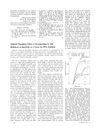 54 citations
,
July 1967 in “Science”
54 citations
,
July 1967 in “Science” Decomposed tritiated thymidine is less accurate for DNA tracing, and hair changes can indicate malnutrition.
 53 citations
,
May 1990 in “Journal of Dermatology”
53 citations
,
May 1990 in “Journal of Dermatology” Minoxidil speeds up hair growth in rats without prolonging growth phase.
52 citations
,
January 2003 in “Journal of Investigative Dermatology” Thrombospondin-1 is crucial for hair follicle regression and reduced blood vessel growth during the catagen phase.
 51 citations
,
February 2009 in “Journal of dermatological science”
51 citations
,
February 2009 in “Journal of dermatological science” Pitx2 helps outer root sheath cells differentiate but can't start hair growth on its own.
45 citations
,
March 2001 in “Journal of Investigative Dermatology” A new protein, mK6irs, is found in specific hair layers and may help understand hair growth and diseases.
42 citations
,
July 2017 in “Molecular therapy” A form of vitamin E promotes hair growth by activating a specific skin pathway.
 42 citations
,
January 2014 in “Cold Spring Harbor Perspectives in Medicine”
42 citations
,
January 2014 in “Cold Spring Harbor Perspectives in Medicine” Hair growth is influenced by various body and external factors, and neighboring hairs communicate to synchronize regeneration.
 42 citations
,
July 2012 in “PLOS ONE”
42 citations
,
July 2012 in “PLOS ONE” Estrogen can temporarily slow down hair growth but this can be reversed.
 41 citations
,
November 2013 in “Experimental Dermatology”
41 citations
,
November 2013 in “Experimental Dermatology” Leptin, a hormone, is important for starting hair growth.
40 citations
,
May 2005 in “Journal of Cell Science” Truncated LTBP-1 disrupts TGF-β signaling, affecting hair growth.
 40 citations
,
November 1998 in “The journal of investigative dermatology/Journal of investigative dermatology”
40 citations
,
November 1998 in “The journal of investigative dermatology/Journal of investigative dermatology” S100A3 protein is crucial for hair shaft formation in mice.
40 citations
,
July 1989 in “Journal of Cell Science” Rat hair follicles can be kept alive in a lab for 7 days but then stop growing.
 38 citations
,
October 1988 in “Clinics in Dermatology”
38 citations
,
October 1988 in “Clinics in Dermatology” Minoxidil can help grow hair and make hair follicles bigger, but it can also cause side effects.
 38 citations
,
October 1988 in “Clinics in Dermatology”
38 citations
,
October 1988 in “Clinics in Dermatology” Hormones, nutrition, and seasonal changes regulate hair growth cycles, with androgens extending growth phases and factors like aging and malnutrition affecting hair loss and thinning.
37 citations
,
January 2010 in “Journal of Clinical Investigation” N-WASP is essential for normal hair growth in mice.
 37 citations
,
October 2009 in “Dermatology”
37 citations
,
October 2009 in “Dermatology” Minoxidil stimulates hair growth by increasing hair thickness and prolonging growth phase.
35 citations
,
January 2011 in “Journal of Biological Chemistry” sPLA2-X is crucial for normal hair growth and follicle health.
 34 citations
,
September 2019 in “Clinical, Cosmetic and Investigational Dermatology”
34 citations
,
September 2019 in “Clinical, Cosmetic and Investigational Dermatology” Light therapy can stimulate hair growth and is more effective when started early, but more research is needed on its long-term effects and optimal use.
 33 citations
,
September 2012 in “Australasian Journal of Dermatology”
33 citations
,
September 2012 in “Australasian Journal of Dermatology” Chemotherapy can cause hair changes similar to alopecia areata, which might lead to misdiagnosis.
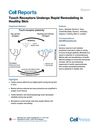 31 citations
,
November 2016 in “Cell Reports”
31 citations
,
November 2016 in “Cell Reports” Touch sensitivity in mouse skin decreases during hair growth due to changes in touch receptors.