August 2004 in “Veterinary Dermatology” Adult-onset hair loss in Chesapeake Bay retrievers may be linked to abnormal adrenal hormone production.
 10 citations
,
January 2016 in “Elsevier eBooks”
10 citations
,
January 2016 in “Elsevier eBooks” Nanoparticles can speed up wound healing and deliver drugs effectively but may have potential toxicity risks.
4 citations
,
January 2020 in “Genes” The KRTAP21-2 gene affects wool length and quality in sheep.
 March 2024 in “PLoS medicine”
 Physical activity, height, and smoking affect prostate cancer risk.
February 2017 in “Spectrum Research Repository (Concordia University)” Porcine PRP can replace FBS and promote hair growth.
 25 citations
,
August 2015 in “International Journal of Cosmetic Science”
25 citations
,
August 2015 in “International Journal of Cosmetic Science” Malva verticillata seed extract might help treat hair loss by activating hair growth signals in skin cells.
15 citations
,
September 2014 in “PloS one” The study found that analyzing certain cell signaling pathways is not a reliable method to tell apart two types of skin tumors.
 April 2025 in “Antioxidants”
 Rhus semialata gall extract and Penta-O-Galloyl-β-D-Glucose may effectively reduce hair loss.
24 citations
,
October 2019 in “Genes” A new sheep gene, KRTAP36-1, may help breed sheep with better wool by reducing prickle factor.
 13 citations
,
November 2012 in “Journal of The European Academy of Dermatology and Venereology”
13 citations
,
November 2012 in “Journal of The European Academy of Dermatology and Venereology” Certain factors like allergies, nail problems, and hair loss patterns can predict how well someone with patchy hair loss will respond to skin cream treatments.
1 citations
,
July 2024 in “Journal of Investigative Dermatology” VYN201 shows promise as a safe and effective treatment for non-segmental vitiligo.
 58 citations
,
June 1987 in “Archives of Dermatological Research”
58 citations
,
June 1987 in “Archives of Dermatological Research” EGF and FGF boost hair cell growth, hydrocortisone slows it, and minoxidil doesn't affect it.
 April 2018 in “The journal of investigative dermatology/Journal of investigative dermatology”
 Androgens increase growth factors in skin cells, which may lead to acne.
 66 citations
,
April 1995 in “The journal of cell biology/The Journal of cell biology”
66 citations
,
April 1995 in “The journal of cell biology/The Journal of cell biology” A new protein was made to detect specific skin cell growth receptors and worked in normal skin but not in skin cancer cells.
 42 citations
,
February 2018 in “International Journal of Molecular Sciences”
42 citations
,
February 2018 in “International Journal of Molecular Sciences” Minoxidil boosts hair growth by triggering growth factor release from specific stem cells.
 18 citations
,
March 2011 in “Journal of The American Academy of Dermatology”
18 citations
,
March 2011 in “Journal of The American Academy of Dermatology” Familial factors affect hair loss types in Koreans, with M type in men, L type in women, and paternal factors influencing male hair loss more.
 13 citations
,
January 2020 in “Experimental Dermatology”
13 citations
,
January 2020 in “Experimental Dermatology” PRP growth factor concentrations vary, no significant hair growth difference found.
 13 citations
,
October 2013 in “The Journal of Dermatology”
13 citations
,
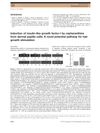
October 2013 in “The Journal of Dermatology” Cepharanthine may help hair growth by increasing IGF-I in scalp cells.
 8 citations
,
May 2018 in “The Journal of Allergy and Clinical Immunology”
8 citations
,
May 2018 in “The Journal of Allergy and Clinical Immunology” Activating the Nrf2 pathway reduces inflammation and cell activation in human hair follicles, suggesting a potential treatment for certain hair loss conditions.
 5 citations
,
May 2023 in “Frontiers in immunology”
5 citations
,
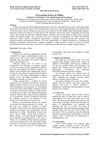
May 2023 in “Frontiers in immunology” Environmental factors like diet and vitamin levels, especially Vitamin D, can affect autoimmune diseases differently, with lifestyle changes potentially improving outcomes.

Early-onset baldness is linked to genetics, lifestyle, and can indicate higher risk for heart and metabolic diseases, and affects mental health.
 August 2021 in “Benha Journal of Applied Sciences”
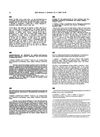
 Stress can trigger and worsen vitiligo.
 August 1994 in “Journal of dermatological science”
 Different substances affect hair and skin cell growth in various ways.
 1 citations
,
July 2016 in “Livestock science”
1 citations
,
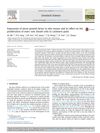
July 2016 in “Livestock science” Nerve growth factor helps cashmere goat hair cells grow and is more active during the hair growth phase.
 355 citations
,
August 2013 in “Acta Biomaterialia”
355 citations
,
August 2013 in “Acta Biomaterialia” The nanofibers with two growth factors improved wound healing by supporting structure, preventing infection, and aiding tissue growth.
 321 citations
,
March 2015 in “Nature”
321 citations
,
March 2015 in “Nature” Super-enhancers controlled by pioneer factors like SOX9 are crucial for stem cell adaptability and identity.
 138 citations
,
February 2007 in “European journal of cancer”
138 citations
,
February 2007 in “European journal of cancer” EGFR inhibitors often cause skin problems and other side effects, but these are usually reversible and can be managed to keep patients comfortable.
 60 citations
,
April 2003 in “Human Reproduction”
60 citations
,
April 2003 in “Human Reproduction” Young Czech women with PCOS have a higher risk of heart problems and should be regularly checked for cholesterol and glucose issues.
 46 citations
,
August 2016 in “Journal of The American Academy of Dermatology”
46 citations
,
August 2016 in “Journal of The American Academy of Dermatology” The study found that family history, personal history of adolescent acne, no pregnancies, hirsutism, office work, stress, and low intake of fruits/vegetables and fish are risk factors for adult female acne.
 24 citations
,
October 2017 in “Biomolecules”
24 citations
,
October 2017 in “Biomolecules” Some growth factors, while important for normal body functions, can cause diseases when not regulated properly.