29 citations
,
July 1991 in “Biochimica et Biophysica Acta (BBA) - General Subjects” Glycoproteins are present in the cell membranes of various keratin fibers.
 December 2008 in “Enzyme and Microbial Technology”
 New patents include innovations in skin and hair care, disease treatment, plant stress tolerance, and protein purification.
 4 citations
,
November 1968 in “Textile research journal”
4 citations
,
November 1968 in “Textile research journal” Hair fibers may have a unique, non-protein sheath not previously identified.
 June 2024 in “Skin Research and Technology”
 Red fluorescence in AGA scalps is linked to different microbes.
2 citations
,
July 1994 in “Journal of Dermatological Science” Grafted human scalp samples on mice can produce human hair, useful for studying hair genetics.
15 citations
,
January 1981 in “Neonatology” Amino acid levels in milk increase with protein and align with key growth stages in Macropus eugenii.
 25 citations
,
May 1994 in “Journal of Investigative Dermatology”
25 citations
,
May 1994 in “Journal of Investigative Dermatology” Researchers found a new gene, hacl-1, that is active in mouse hair follicles during hair growth and may be important for hair biology.
7 citations
,
January 1959 in “Canadian Journal of Chemistry” Human and horse hair have similar end groups to wool and feathers.
 5 citations
,
January 1990 in “Journal of Society of Cosmetic Chemists of Japan”
5 citations
,
January 1990 in “Journal of Society of Cosmetic Chemists of Japan” Permanent wave lotion can extract proteins from hair, especially when pH is higher, and repeated treatments or bleaching can damage hair.
11 citations
,
January 1989 Two patients had a unique form of trichothiodystrophy with reduced high-sulfur proteins in their hair.
 3 citations
,
February 2023 in “International Journal of Molecular Sciences”
3 citations
,
February 2023 in “International Journal of Molecular Sciences” Autologous Platelet and Extracellular Vesicle-Rich Plasma (PVRP) has potential in enhancing tissue regeneration and improving hair conditions, but its effectiveness varies due to individual differences.
Trichohyalin, a protein from pig tongue, was purified and found to have a filamentous structure.
15 citations
,
October 1976 in “Biochemical Journal” Naked-mouse hair lacks certain proteins and has less soluble fibril.
 December 2025 in “Universal library of medical and health sciences.”
 Amino acids like arginine and cysteine protect hair during chemical treatments, keeping it strong and less brittle.
 21 citations
,
December 2011 in “Chungara”
21 citations
,
December 2011 in “Chungara” Mummy hair's chemical composition may not accurately show ancient people's health due to environmental contamination.
 4 citations
,
December 2018 in “Macedonian Journal of Chemistry and Chemical Engineering”
4 citations
,
December 2018 in “Macedonian Journal of Chemistry and Chemical Engineering” A new method accurately measures amino acids in treated hair, showing bleaching reduces amino acids while protein treatments increase them.
 42 citations
,
January 2011 in “Journal of Biomedical Optics”
42 citations
,
January 2011 in “Journal of Biomedical Optics” Infrared and Raman imaging can non-destructively analyze hair structure and help diagnose hair conditions.
 18 citations
,
October 2018 in “Nutrients”
18 citations
,
October 2018 in “Nutrients” Annurca apple extract promotes hair growth by changing hair follicle metabolism to boost keratin production.
 September 2023 in “Asian journal of beauty & cosmetology”
 Lipids are important for healthy hair, but their exact role is not fully understood and needs more research.
 January 1974 in “Nippon Nōgei Kagakukaishi/Nihon Nougei Kagakkaishi”
 Applying L-methionine and L-serine to the skin promotes the most hair growth.
38 citations
,
May 2000 in “Livestock production science” Giving high-quality protein or methionine supplements helps improve hair growth in Angora goats and, to a lesser extent, in Cashmere goats.
24 citations
,
April 2016 in “Experimental Dermatology” Chemical treatments like dyeing, perming, and bleaching damage hair by altering amino acids and lipids.
45 citations
,
January 1986  7 citations
,
January 1982 in “Acta agriculturae Scandinavica”
7 citations
,
January 1982 in “Acta agriculturae Scandinavica” Mink use L-methionine and L-cystine slightly better than natural amino acids for hair growth, but D-methionine is not effective.
2 citations
,
January 1981 High temperatures and certain chemicals can significantly change the amino acid content in human hair.
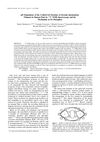 7 citations
,
February 1998 in “Polymer journal”
7 citations
,
February 1998 in “Polymer journal” Keratin structure in hair is stable at pH 5-6 but disrupts between pH 6-7.
 15 citations
,
January 2016 in “Przeglad Menopauzalny”
15 citations
,
January 2016 in “Przeglad Menopauzalny” Eating a balanced diet with specific nutrients is important for menopausal women to manage hair loss.
 14 citations
,
November 2015 in “Annals of the New York Academy of Sciences”
14 citations
,
November 2015 in “Annals of the New York Academy of Sciences” Changing the diet of mice lacking the enzyme CBS can affect symptoms related to the genetic condition.
 2 citations
,
December 2023 in “Royal Society of Chemistry eBooks”
2 citations
,
December 2023 in “Royal Society of Chemistry eBooks” Hair is a complex organ, and understanding its detailed structure and growth phases is crucial for analyzing substances within it.
Hair analysis can help identify specific minerals and amino acids linked to various diseases.