 60 citations
,
March 2011 in “Proceedings of the National Academy of Sciences of the United States of America”
60 citations
,
March 2011 in “Proceedings of the National Academy of Sciences of the United States of America” RANK-RANKL signaling is essential for hair growth and skin health.
 49 citations
,
March 2019 in “Journal of Investigative Dermatology”
49 citations
,
March 2019 in “Journal of Investigative Dermatology” Skin fat plays a key role in immune defense and healing beyond just storing energy.
 42 citations
,
February 2016 in “Science”
42 citations
,
February 2016 in “Science” The document concludes that both internal stem cell factors and external influences like the environment and hormones affect hair loss and aging, with potential treatments focusing on these areas.
37 citations
,
August 2015 in “The Journal of Steroid Biochemistry and Molecular Biology” The vitamin D receptor can regulate genes and affect hair and hormone levels without its usual activator.
29 citations
,
February 2010 in “The Journal of Steroid Biochemistry and Molecular Biology” Vitamin D receptor is crucial for healthy hair growth and preventing hair loss.
 28 citations
,
October 2013 in “Cornea”
28 citations
,
October 2013 in “Cornea” Scientists have made progress in creating replacement teeth, hair, and glands that work, which could lead to new treatments for missing teeth, baldness, and dryness conditions.
 19 citations
,
September 2011 in “Journal of Dermatological Science”
19 citations
,
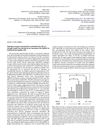
September 2011 in “Journal of Dermatological Science” TGF-β1 increases androgen receptor activity in hair loss, but Hic-5/ARA55 can counter this effect.
 17 citations
,
June 2020 in “British Journal of Dermatology”
17 citations
,
June 2020 in “British Journal of Dermatology” Oral mTOR inhibitors often cause skin and hair side effects but usually don't require stopping treatment.
 14 citations
,
November 2007 in “Journal of Dermatological Science”
14 citations
,
November 2007 in “Journal of Dermatological Science” Vitamin C derivative may promote hair growth by activating specific genes.
11 citations
,
July 2004 in “Journal of Investigative Dermatology” Certain tyrosine kinases may regulate hair growth and could help develop hair loss treatments.
9 citations
,
October 2014 Vitamin D receptor helps prevent skin tumors.
 6 citations
,
March 2021 in “Journal of Cosmetic Dermatology”
6 citations
,
March 2021 in “Journal of Cosmetic Dermatology” PRP injections promote hair growth and increase hair density in androgenic alopecia.
 6 citations
,
May 2013 in “PloS one”
6 citations
,
May 2013 in “PloS one” The Foxn1(-/-) nude mouse shows disrupted and expanded skin stem cell areas due to high Lhx2 levels.
 5 citations
,
October 2013 in “Experimental Dermatology”
5 citations
,
October 2013 in “Experimental Dermatology” The commentary explains that a balance of HR protein and putrescine is important for normal hair growth.
4 citations
,
February 2008 in “Cell stem cell” NFATc1 is crucial for keeping hair follicle stem cells inactive.
 2 citations
,
March 2021 in “bioRxiv (Cold Spring Harbor Laboratory)”
2 citations
,
March 2021 in “bioRxiv (Cold Spring Harbor Laboratory)” Hairless mammals have genetic changes in both their protein-coding and regulatory sequences related to hair.
 2 citations
,
July 2005 in “International Joint Conference on Artificial Intelligence”
2 citations
,
July 2005 in “International Joint Conference on Artificial Intelligence” EREG therapy may help treat hair loss by promoting hair growth.
1 citations
,
January 2010 in “Journal of Bioscience and Bioengineering” Exosomes may offer new treatments for hair loss.
 February 2026 in “International Journal of Molecular Sciences”
 Removing Lrig1-positive cells in mice leads to temporary loss of sebaceous glands.
 February 2024 in “BMC genomics”
 The TRPV3 gene variant may cause the long-haired suri alpaca coat.
 January 2023 in “Indian dermatology online journal”
 A child with ectodermal dysplasia-syndactyly syndrome has a new mutation in the NECTIN4 gene.
Extracellular vesicles could help treat hair loss by influencing hair growth cycles.
 December 2017 in “British Journal of Dermatology”
 Targeted therapy for skin cancer is complex due to the role of the hedgehog pathway in both cancer and hair growth.
 September 2016 in “Journal of Dermatological Science”
 Wnt-10b is important for keeping mouse skin cells healthy for hair growth.
 January 2006 in “Advances in developmental biology”
 The Hairless gene is crucial for healthy skin and hair growth.
December 2004 in “PLoS ONE” The Foxn1(-/-) phenotype disrupts hair growth and affects skin stem cells.
January 2004 in “Giornale di Metafisica: revista bimestrale di filosofia” Increased Wnt signaling causes hair graying by depleting melanocyte stem cells in aged mice.
December 1963 in “Medical Entomology and Zoology” Wnt1a from stem cells boosts hair growth and regeneration in mice.
 January 2007 in “Elsevier eBooks”
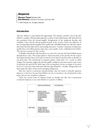
 Alopecia areata is a reversible, autoimmune-related hair loss that can have significant emotional impact and uncertain treatment effectiveness.
December 2005 in “Journal of Marine Fisheries” Telogen effluvium causes temporary hair loss, often triggered by stress or health issues, with hair usually regrowing over time.