 June 2025 in “Veterinární Medicína”
 Uveodermatological syndrome in dogs is hard to manage and can lead to blindness despite treatment.
May 2025 in “Journal of the Egyptian Womenʼs Dermatologic Society” Hair follicles in nonsegmental vitiligo are better protected from immune attacks than in alopecia areata.
 January 2025 in “JOURNAL of SIBERIAN MEDICAL SCIENCES”
 Age-related hair loss is linked to changes in blood vessels, stem cells, and aging cells, and understanding these can help keep hair healthy as we age.
 November 2024 in “IP Indian Journal of Clinical and Experimental Dermatology”
 Graves' disease often causes skin issues, especially hyperpigmentation, which may be linked to treatments.
 April 2024 in “The Indonesian Biomedical Journal”
 Melanocyte stem cells from non-affected skin in vitiligo patients can become functional melanocytes for potential therapy.
 March 2024 in “Clinical and experimental dermatology”
 Topical corticosteroids may be a safe and effective treatment for severe alopecia areata in children.
 December 2023 in “EPRA international journal of multidisciplinary research”
 Alopecia areata causes sudden hair loss, has genetic links, and can be managed but not cured.
 March 2023 in “Revista română de reumatologie”
 Skin problems are common in lupus, often appearing first, with various types and treatments, and careful monitoring is important for diagnosis and management.
 December 2019 in “Buletin de psihiatrie integrativă”
 Skin treatments can improve both skin health and emotional well-being, but they require careful management of patient expectations and potential addiction risks.

Accurate diagnosis and tailored treatments are crucial for managing hair loss in humans and animals.
 March 2019 in “Applied sciences”
 Laser therapy might help regrow hair in alopecia totalis better than steroids alone.
 May 2018 in “International journal of cell science & molecular biology”
 Early anti-aging hair treatments should focus on anti-inflammatory agents and promoting healthy hair growth cycles.

Bovines can have rare inherited skin diseases with specific symptoms like hair loss, fragile skin, and abnormal porphyrin buildup.
 January 2018 in “Springer eBooks”
 Athletes need effective management of skin disorders for their performance and well-being.
 January 2017 in “Journal of Investigative Dermatology Symposium Proceedings”
 The 2015 Hair Research Congress concluded that stem cells, maraviroc, and simvastatin could potentially treat Alopecia Areata, topical minoxidil, finasteride, and steroids could treat Frontal Fibrosing Alopecia, and PTGDR2 antagonists could also treat alopecia. They also found that low-level light therapy could help with hair loss, a robotic device could assist in hair extraction, and nutrition could aid hair growth. They suggested that Alopecia Areata is an inflammatory disorder, not a single disease, indicating a need for personalized treatments.
 January 2017 in “Springer eBooks”
 The document explains various skin conditions and their treatments.
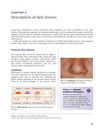
The document explains different types of skin lesions and their characteristics, causes, and related conditions.
 September 2015 in “Actas Dermo-Sifiliográficas”
 People with advanced chronic kidney disease often have skin problems, which can be treated with various medications and procedures to improve their quality of life.

Alopecia areata is an autoimmune disease affecting hair follicles and may harm heart health.
 December 2013 in “Research Portal (King's College London)”
 Hair loss in Lichen Planopilaris is caused by immune system issues damaging hair follicles and stem cells.
 January 2009 in “Springer eBooks”
 The document concludes that treating skin conditions should include psychological care and a multidisciplinary approach is essential for effective management.
 January 2006 in “Carl von Ossiezky University of Oldenburg”
 Unpigmented keratinocytes absorb substances faster, while melanocytes bind more strongly to melanin.
 January 1998 in “Lasers in Surgery and Medicine”
 Lasers are effective and safe for various medical treatments, including cancer, wound healing, and skin conditions.
 September 1983 in “Journal of The American Academy of Dermatology”
 Experts discussed hair care, genetic hair defects, hair loss treatments, nail surgery, lupus treatments, skin infections, and cosmetic allergies.
 January 1982 in “Journal of The American Academy of Dermatology”
 Experts discussed treatments for skin conditions in children, emphasizing hydration, cautious medication use, and early intervention for infections.
 March 2018 in “John Wiley & Sons, Ltd eBooks”
 Surgical therapies for vitiligo vary in effectiveness, with combination therapy and medical tattooing recommended for better results.
 41 citations
,
December 2018 in “Experimental Dermatology”
41 citations
,
December 2018 in “Experimental Dermatology” Understanding how melanocyte stem cells work could lead to new treatments for hair graying and skin pigmentation disorders.
 9 citations
,
November 2012 in “Hepatology Research”
9 citations
,
November 2012 in “Hepatology Research” A man lost all his hair permanently after hepatitis C treatment, a side effect not seen before.
 7 citations
,
February 2019 in “International Journal of Dermatology”
7 citations
,
February 2019 in “International Journal of Dermatology” Gray hair is caused by reduced melanin production or transfer issues, linked to aging and possibly health conditions, with treatments focusing on color camouflage.

Hair aging is a big issue, and nutrients are key to keeping hair healthy.