48 citations
,
July 1988 in “PubMed” Rhino mice show significant meibomian gland changes, making them a potential model for studying gland disorders.
 8 citations
,
May 2017 in “IUBMB life”
8 citations
,
May 2017 in “IUBMB life” Astrotactin proteins are important for brain and skin development and are linked to several neurodevelopmental disorders.
8 citations
,
April 2017 in “Journal of The Royal Society Interface” Giant axonal neuropathy changes the structure of keratin in human hair.
 6 citations
,
April 2013 in “International Journal of Dermatology”
6 citations
,
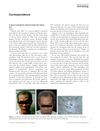
April 2013 in “International Journal of Dermatology” Valproic acid helped hair growth in alopecia patient; more research needed.
 1 citations
,
June 2019 in “Innovare journal of medical sciences”
1 citations
,
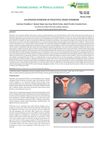
June 2019 in “Innovare journal of medical sciences” Polycystic Ovary Syndrome (PCOS) is a hormonal disorder in women that can cause infertility and other health issues, and it may be improved by treatments that increase insulin sensitivity.
 62 citations
,
April 2009 in “British Journal of Dermatology”
62 citations
,
April 2009 in “British Journal of Dermatology” Epidermal stem cells could lead to new treatments for skin and hair disorders.
 25 citations
,
March 2014 in “Experimental Dermatology”
25 citations
,
March 2014 in “Experimental Dermatology” Leptin helps start the growth phase of hair.
 2 citations
,
March 2020 in “International Journal of Molecular Sciences”
2 citations
,
March 2020 in “International Journal of Molecular Sciences” Topical treatments can deliver active molecules to skin stem cells, potentially helping treat skin and hair disorders, including skin cancers and hair loss.
More hair-loss studies are needed with standardized outcomes and diverse participants.
August 2025 in “Clinical and Experimental Dermatology” Psychological therapies can improve wellbeing in people with hair loss.

Transfer learning with three neural network architectures accurately classifies hair diseases.
 33 citations
,
January 2006 in “Journal of Dermatological Science”
33 citations
,
January 2006 in “Journal of Dermatological Science” A long-acting Vitamin C derivative helps hair grow by stimulating cells and increasing growth factors.
 186 citations
,
July 1998 in “Journal of Cutaneous Medicine and Surgery”
186 citations
,
July 1998 in “Journal of Cutaneous Medicine and Surgery” Shorter CAG repeats may cause hair and skin issues, while longer ones may link to acne.
 30 citations
,
October 2012 in “Current Opinion in Endocrinology, Diabetes and Obesity”
30 citations
,
October 2012 in “Current Opinion in Endocrinology, Diabetes and Obesity” Thyroid hormones are important for skin health and might help treat skin diseases, but more research is needed to understand their effects fully.
1 citations
,
January 2022 Eclipta prostrata may help with hair growth and liver health, but more research is needed.
151 citations
,
August 2011 in “The EMBO Journal” The enzyme PA-PLA1α is important for proper hair follicle development.
 18 citations
,
October 2017 in “PLOS ONE”
18 citations
,
October 2017 in “PLOS ONE” The study concluded that similar pathways regulate hair growth in dogs and mice, and these pathways are disrupted in dogs with Alopecia X, affecting stem cells and hormone metabolism.
 18 citations
,
November 2016 in “Journal of Oral and Maxillofacial Surgery”
18 citations
,
November 2016 in “Journal of Oral and Maxillofacial Surgery” Platelet-Rich Plasma (PRP) treatment can potentially increase hair density and quality in people with hair loss, but more research is needed to confirm its effectiveness.
November 2025 in “Biomedicines” Targeting pyroptosis may offer new treatments for alopecia areata, but more research is needed.
 46 citations
,
August 2019 in “Journal of Ethnopharmacology”
46 citations
,
August 2019 in “Journal of Ethnopharmacology” Eclipta prostrata has many traditional uses and health benefits, but more research is needed to understand how it works and ensure it's safe.
 19 citations
,
December 2015 in “Journal of Investigative Dermatology”
19 citations
,
December 2015 in “Journal of Investigative Dermatology” The protein p53 directly reduces the production of Keratin 17, a skin and hair protein, in rats with radiation dermatitis.
13 citations
,
June 2006 in “Fertility and Sterility” Nonclassic 21-hydroxylase deficiency is a common, treatable genetic disorder causing reversible symptoms like acne and hair loss.
 2 citations
,
September 2011 in “Pediatric Dermatology”
2 citations
,
September 2011 in “Pediatric Dermatology” The document suggests there might be a link between Kawasaki Disease and Alopecia Areata that needs more research.
 40 citations
,
November 2009 in “Experimental Dermatology”
40 citations
,
November 2009 in “Experimental Dermatology” The mineralocorticoid receptor may play a role in skin and hair health and could be a new target for treating related disorders.
 25 citations
,
December 2013 in “Journal of Investigative Dermatology Symposium Proceedings”
25 citations
,
December 2013 in “Journal of Investigative Dermatology Symposium Proceedings” New methods like nanoparticles and microneedles show promise for better skin drug delivery, especially for hair disorders.
 6 citations
,
May 2022 in “Medicina-lithuania”
6 citations
,
May 2022 in “Medicina-lithuania” IMA may indicate oxidative stress in skin and hair disorders, but more research is needed.
 2 citations
,
January 2010 in “International Journal of Trichology”
2 citations
,
January 2010 in “International Journal of Trichology” The Hair India 2010 conference introduced a new hair loss classification and highlighted advanced diagnostic techniques in trichology.
 1 citations
,
June 2023 in “International journal of basic science in medicine”
1 citations
,
June 2023 in “International journal of basic science in medicine” Adiantum capillus-veneris may help with respiratory issues, but more research is needed.
Balding hair follicles have reduced growth factors and increased inhibitory factors, suggesting new treatment paths for hair loss.
21 citations
,
December 1991 in “Annals of the New York Academy of Sciences” Most mouse hair keratin genes are on chromosomes 11 and 15.