June 2025 in “OPAL (Open@LaTrobe) (La Trobe University)” A new hair dye method uses polyphenols and oxidation to create a long-lasting brown color on gray hair.
 1 citations
,
September 2017 in “Journal of Pathology of Nepal”
1 citations
,
September 2017 in “Journal of Pathology of Nepal” Testing hair roots with a special dye is a simple, non-invasive way to check disease progress in pemphigus vulgaris patients.
 1 citations
,
January 2022 in “Electronic Imaging”
1 citations
,
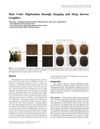
January 2022 in “Electronic Imaging” A new method accurately captures and renders hair color for virtual reality and hair dye use.
 June 2026 in “Zenodo (CERN European Organization for Nuclear Research)”
 Henna is a safer, natural hair dye but needs more research and standardization.
 January 2006 in “Journal of Society of Cosmetic Chemists of Japan”
 The new hybrid polymer improves dyed hair's color, feel, and manageability.
6 citations
,
December 2018 in “International Journal of Cosmetic Science” CARB is a strong barrier in human hair that prevents dye penetration.
 October 2022 in “Southeast Asian journal of health professionals”
 Hair greying is seen as a sign of aging; temporary fixes like hair dye are used, but a balanced diet and hair care can help manage it.
Hair ages by graying and thinning, treatable with medications, transplants, or hair dye.
 24 citations
,
June 2020 in “Industrial Crops and Products”
24 citations
,
June 2020 in “Industrial Crops and Products” Activated carbon fibers from Metaplexis japonica seed hair are highly effective for removing the dye methylene blue from water.
10 citations
,
March 2016 in “Toxicology and applied pharmacology” Using A132 hair dye with sunlight can cause skin damage and hair loss.
 2 citations
,
July 2020 in “International Journal for Research in Applied Science and Engineering Technology”
2 citations
,
July 2020 in “International Journal for Research in Applied Science and Engineering Technology” Pseudomonas DL17 can completely break down the harmful dye Sunset Yellow FCF in 48 hours.
January 2025 in “Conservation Physiology” Bear hair grows 0.10 to 1.05 mm per day, varying by individual and season.
Lasers and light therapy are effective for treating skin conditions like hair loss, vitiligo, psoriasis, and molluscum contagiosum.
 8 citations
,
September 2004 in “Contact dermatitis”
8 citations
,
September 2004 in “Contact dermatitis” Avoiding dyed wigs and clothing improved severe allergic reactions in a woman treated with diphencyprone.
3 citations
,
January 2019 in “Electronic Imaging” The device accurately estimates natural hair color at the roots in real time.
 2 citations
,
January 2023 in “International journal of biological sciences”
2 citations
,
January 2023 in “International journal of biological sciences” Gray hair can potentially be reversed, leading to new treatments.
1 citations
,
January 2021 in “SSRN Electronic Journal” Nanomaterials can make hair care products work better and safer.
 February 2026 in “Journal of the Korean Society of Cosmetology”
 Silicone oil viscosity affects hair curling and damage during treatments.
 March 2026 in “International Journal of Science and Research Archive”
 Hair coloring in 2026 requires precise science and safe techniques.
 28 citations
,
December 2011 in “Biocatalysis and biotransformation”
28 citations
,
December 2011 in “Biocatalysis and biotransformation” PDI helps restore over-bleached hair's strength and structure by attaching special peptides.
1 citations
,
August 1999 in “ACS symposium series” Polymer JR400 sticks to hair but washes off with detergent.
 December 2025 in “GARI International Journal of Multidisciplinary Research”
 Ayurveda suggests natural remedies and lifestyle changes for managing premature hair greying.
152 citations
,
December 2003 in “Micron” As people age, their hair follicles produce less pigment, leading to gray and white hair, due to factors like reduced enzyme activity and damage to melanocyte DNA.
150 citations
,
July 2001 in “Clinics in dermatology” Proper haircare and communication with doctors are key to managing hair loss and avoiding damage.
46 citations
,
June 1992 in “Arthritis & Rheumatism” Hair products don't affect lupus development or severity.
 9 citations
,
December 2010 in “Journal of The European Academy of Dermatology and Venereology”
9 citations
,
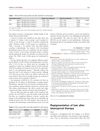
December 2010 in “Journal of The European Academy of Dermatology and Venereology” Latanoprost therapy potentially caused a woman's white hair to darken again.
 7 citations
,
October 2016 in “Dermatologic Therapy”
7 citations
,
October 2016 in “Dermatologic Therapy” About 40% of women without hair loss and 60% with hair loss experience a lot of hair shedding, especially those under 50 with long hair.
 July 2025 in “Scientific Reports”
 Fermented grapeseed oil effectively repairs and protects chemically damaged hair.
 June 2025 in “BMJ Case Reports”
 Axitinib treatment turned a man's grey hair back to black.
 January 2018 in “Indian Dermatology Online Journal”
 Trichoscopy can help tell the difference between artificial hair fibers and other scalp artifacts.