 3 citations
,
April 2016 in “PubMed”
3 citations
,
April 2016 in “PubMed” Using Minoxidil 5% foam with a botanical hair solution twice daily can significantly improve hair growth and appearance in men with hair loss, and is generally well-tolerated.
2 citations
,
December 2025 in “Cosmetics” Proper scalp care can improve hair health and delay ageing signs.
 2 citations
,
July 2023 in “International Journal of Molecular Sciences”
2 citations
,
July 2023 in “International Journal of Molecular Sciences” BFNB could be a promising treatment for hair growth.
1 citations
,
July 2024 in “International Journal of Molecular Sciences” Effective delivery systems are crucial for siRNA hair loss treatments to work better.
1 citations
,
February 2024 in “Diversity” African plants can treat hair issues and may help with diabetes.
 1 citations
,
April 2023 in “Biomolecules”
1 citations
,
April 2023 in “Biomolecules” Fermented papaya and mangosteen in hair care products helped prevent hair loss and improve hair thickness.
 1 citations
,
February 2017 in “Journal of pharmacology & clinical research”
1 citations
,
February 2017 in “Journal of pharmacology & clinical research” The herbal hair gel with Eclipta alba and Lippia nodiflora extracts was more effective at growing hair than the control gel and minoxidil.
 November 2025 in “Cosmetics”
 Most trichological shampoo ingredients lack strong evidence for effectiveness against hair loss.
July 2025 in “International Journal of Trichology” Hair shedding increases at the end of summer due to seasonal changes.
 April 2025 in “Journal of Cosmetic and Laser Therapy”
 QR678 Neo® improves hair transplant success and hair regrowth.
 February 2025 in “Healthcare”
 Caffeine may help with hair loss, but more research is needed.
January 2025 in “Molecules” Caffeine may help with hair loss, but more research is needed to confirm its effectiveness.
 January 2025 in “International Journal of Dermatology Research”
 Anagen grow may effectively treat hair loss by blocking testosterone and reducing enzyme activity.
 December 2024 in “Journal of Dental Panacea”
 QR678 Neo is more effective than PRP for hair growth and quality.
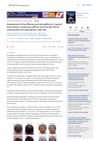 November 2023 in “Journal of Cosmetic Dermatology”
 The topical treatment with caffeine and Procapil 3% improved male pattern hair loss and was well tolerated after 12 weeks.
 November 2023 in “International Journal of Trichology”
 Trichoscopic features help diagnose and assess female pattern hair loss severity, with inflammation playing a key role.

Nanocarriers with plant extracts show promise for safe and effective hair growth treatment.
September 2025 in “International Journal of Cosmetic Science” Friction causes hair breakage during combing, and fragment count predicts hair strength.
 June 2025 in “Journal of Cluster Science”
 Metal nanoparticles show promise for treating hair loss but need more research to ensure safety.
 October 2024 in “Cosmetics”
 Afro-textured hair needs personalized care due to its unique genetic traits.
 January 2024 in “Journal of cosmetic dermatology”
 Long-hair follicular unit excision improves hairline restoration results and patient satisfaction.
305 citations
,
December 2000 in “The EMBO Journal” Inhibiting Bmp signaling disrupts hair growth and differentiation.
296 citations
,
October 2018 in “General and Comparative Endocrinology” Hair cortisol is a reliable way to measure long-term stress in animals.
226 citations
,
January 2006 in “International review of cytology” Keratin-associated proteins are crucial for hair strength and structure.
63 citations
,
April 2005 in “Mechanisms of development” Mice with too much Claudin-6 have skin barrier problems and abnormal hair growth.
47 citations
,
September 2004 in “Journal of Biological Chemistry” Hoxc13 regulates specific hair protein genes on mouse chromosome 16.
18 citations
,
March 2016 in “Journal of Investigative Dermatology” Vitamin D and calcium are essential for normal hair growth.
15 citations
,
January 2017 in “Pigment International” Early hair graying is often inherited and influenced by genetics, environment, and lifestyle, but treatment options are limited.
13 citations
,
May 2021 in “FASEB bioAdvances” Plant-based products can improve hair and skin health without harmful side effects.
12 citations
,
December 2020 in “Comprehensive psychoneuroendocrinology” Hormone levels in hair change during pregnancy, with progesterone increasing significantly compared to non-pregnant women.