68 citations
,
December 1983 in “British Journal of Dermatology” Major histocompatibility antigens are found in specific skin cells and structures, but not in sweat glands.
52 citations
,
June 1991 in “Journal of Virology” The hamster polyomavirus middle T antigen is linked to tumors in hamsters and associates with a specific tyrosine kinase.
 8 citations
,
October 2016 in “Experimental dermatology”
8 citations
,
October 2016 in “Experimental dermatology” Hair follicles may help teach the immune system to tolerate new self-antigens, but this can sometimes cause hair loss.
3 citations
,
January 2017 in “Acta Dermato Venereologica” Lipid-antigen stimulation may play a role in folliculotropic mycosis fungoides.
January 2010 in “Journal of Animal Science” Transcutaneous vaccination using nanoparticles can enhance immune responses and reduce basal cell carcinomas.
 20 citations
,
December 2015 in “Journal of Pharmacopuncture”
20 citations
,
December 2015 in “Journal of Pharmacopuncture” Thread-embedding therapy helped hair grow back in mice and might do the same in humans.
 7 citations
,
March 2018 in “Asian-Australasian journal of animal sciences”
7 citations
,
March 2018 in “Asian-Australasian journal of animal sciences” OCIAD2 and DCN genes affect hair growth in goats by having opposite effects on a growth signaling pathway and inhibiting each other.
 4 citations
,
June 2016 in “Journal of Pharmacopuncture”
4 citations
,
June 2016 in “Journal of Pharmacopuncture” Cornu cervi pantotrichum pharmacopuncture solution helps mice grow hair by increasing hair follicle cell growth and a growth factor important for hair development.
 August 2023 in “Research Square (Research Square)”
 Melanocytes may trigger the immune response in alopecia areata, affecting hair regrowth.
4 citations
,
October 2016 in “The journal of investigative dermatology/Journal of investigative dermatology” Using an anti-ICAM-1 antibody with rapamycin improves hair transplant survival in monkeys.
 3 citations
,
November 2011 in “European Journal of Dermatology”
3 citations
,
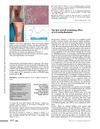
November 2011 in “European Journal of Dermatology” 4-O-methylhonokiol from Magnolia officinalis significantly promotes hair growth.
 January 2025 in “ACS Applied Materials & Interfaces”
 Nanoparticles with specific drugs can help regrow hair in alopecia areata.
September 2019 in “Journal of Investigative Dermatology” Innate lymphoid cells type 1 may contribute to alopecia areata.

Innate lymphoid cells type 1 may contribute to alopecia areata by damaging hair follicles.
 24 citations
,
January 2008 in “KARGER eBooks”
24 citations
,
January 2008 in “KARGER eBooks” The document concludes that ongoing research using animal models is crucial for better understanding and treating Alopecia Areata.
9 citations
,
April 2020 in “Journal of Cosmetic Dermatology” Immune checkpoint inhibitors can cause scalp inflammation and hair follicle issues.
 1 citations
,
January 2016 in “Dermatology Review”
1 citations
,
January 2016 in “Dermatology Review” Vitamin D might help treat alopecia areata.
 January 2018 in “Elsevier eBooks”
 The document concludes that alopecia has significant social and psychological effects, leading to a market for hair loss treatments.
April 2018 in “Journal of Investigative Dermatology” Melanogenesis-related proteins may trigger immune responses in alopecia areata patients.
38 citations
,
July 2009 in “Current opinion in pediatrics, with evaluated MEDLINE/Current opinion in pediatrics” Alopecia areata is a common autoimmune disease affecting hair follicles, with unclear causes and a need for better treatments.
4 citations
,
December 1985 in “Archives of Dermatological Research” Eye lens capsules are the best for growing human skin cells.
54 citations
,
May 1999 in “Journal of Cutaneous Pathology” Apocrine type cutaneous mixed tumors often resemble hair follicles, sebaceous glands, and apocrine glands.
35 citations
,
July 2008 in “Dermatologic therapy” Cicatricial alopecia may be caused by immune attacks on hair follicles, gland issues, or stem cell damage.
 90 citations
,
July 2008 in “Dermatologic therapy”
90 citations
,
July 2008 in “Dermatologic therapy” Lichen planopilaris is a chronic, scarring hair loss condition with no definitive cure, requiring accurate diagnosis and treatment to manage symptoms.
 27 citations
,
May 2007 in “Archives of dermatological research”
27 citations
,
May 2007 in “Archives of dermatological research” Diphencyprone treatment increases CD8 lymphocytes in the scalp, which is associated with hair regrowth in alopecia areata patients.
 4 citations
,
April 2010 in “Expert review of dermatology”
4 citations
,
April 2010 in “Expert review of dermatology” Restoring immune privilege in hair follicles could help treat certain types of hair loss.
 1 citations
,
June 2023 in “JAAD case reports”
1 citations
,
June 2023 in “JAAD case reports” Nivolumab treatment led to hair regrowth in a man with metastatic melanoma and alopecia areata.
 April 2017 in “Journal of Investigative Dermatology”
 Certain microRNAs may protect against hair loss in alopecia areata and could be potential treatment targets.
 February 2008 in “Experimental dermatology”
 Oxidative stress plays a significant role in vitiligo, and both skin and non-skin cells may be involved.
7 citations
,
January 1992 in “Acta Histochemica” Porcine and human pilosebaceous units are very similar.