 December 2015 in “Vascular Pharmacology”
 Different cells affect hair follicle blood vessels, endothelial cells react differently to inflammation and oxidized fats, and prasugrel better protects heart vessels during a procedure than clopidogrel.
 March 2014 in “Journal of The American Academy of Dermatology”
 Mycophenolic acid may help hair grow by activating pathways important for hair growth.
 June 1997 in “Australasian Journal of Dermatology”
 Researchers found new hair and nail genes, how hair reacts to UV, differences in white and pigmented hair growth, nerve changes in alopecia, treatments for baldness and alopecia, a toenail condition linked to a genetic disorder, and that nail fungus is more common in people with psoriasis.
 February 2024 in “Current Medicinal Chemistry”
 Minoxidil nanocrystals improved hair growth in mice more effectively and safely than regular Minoxidil.
 April 2016 in “Plastic and reconstructive surgery. Global open”
 Tafluprost could be a potential treatment for hair loss by promoting hair growth phase changes.
 January 1998 in “KAGAKU TO SEIBUTSU”
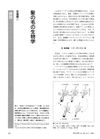
 The document suggests that male hormones likely affect hair growth and baldness, and future treatments might involve stem cells and androgen-independent cells.
 89 citations
,
September 2010 in “Annual Review of Genomics and Human Genetics”
89 citations
,
September 2010 in “Annual Review of Genomics and Human Genetics” The document concludes that understanding the genes and pathways involved in hair growth is crucial for developing treatments for hair diseases.
 46 citations
,
September 2014 in “Tissue engineering. Part A”
46 citations
,
September 2014 in “Tissue engineering. Part A” Researchers created hair-inducing human cell clusters using a 3D culture method.
 36 citations
,
May 2016 in “Biomaterials”
36 citations
,
May 2016 in “Biomaterials” Endo-HSE helps grow hair-like structures from human skin cells in the lab.
 36 citations
,
August 2011 in “Journal of Controlled Release”
36 citations
,
August 2011 in “Journal of Controlled Release” Genetically-altered adult stem cells can help in wound healing and are becoming crucial in regenerative medicine and drug design.