 37 citations
,
April 2010 in “FEBS Letters”
37 citations
,
April 2010 in “FEBS Letters” The study concludes that the EDA2R gene is activated by p53 during chemotherapy but is not necessary for chemotherapy-induced hair loss.
 30 citations
,
July 2010 in “Experimental Dermatology”
30 citations
,
July 2010 in “Experimental Dermatology” Polyamines are important for hair growth, but more research is needed to understand their functions and treatment potential.
 12 citations
,
January 2021 in “Journal of Investigative Dermatology”
12 citations
,
January 2021 in “Journal of Investigative Dermatology” Hair follicle studies suggest that maintaining telomere length could help treat hair loss and graying, but it's uncertain if mouse results apply to humans.
 10 citations
,
January 2019 in “Biomarker Insights”
10 citations
,
January 2019 in “Biomarker Insights” Scalp cooling to prevent hair loss from chemotherapy works for some but not all, and studying hair damage markers could improve prevention and treatment.
 9 citations
,
July 2014 in “Experimental Dermatology”
9 citations
,
July 2014 in “Experimental Dermatology” PTHRP agonists can stimulate hair growth, especially in damaged follicles, while antagonists may initially increase growth but ultimately inhibit it.
 8 citations
,
June 2019 in “Scientific Reports”
8 citations
,
June 2019 in “Scientific Reports” Increased PPARGC1α relates to hair thinning in common baldness.
 7 citations
,
February 2018 in “Journal of Investigative Dermatology”
7 citations
,
February 2018 in “Journal of Investigative Dermatology” Fat tissue and a specific protein are crucial for healthy hair growth and maintenance.
 7 citations
,
October 2000 in “Allergo Journal”
7 citations
,
October 2000 in “Allergo Journal” Stress may affect hair growth by influencing hair follicle development and could contribute to hair loss.
 5 citations
,
October 2021 in “Frontiers in Cell and Developmental Biology”
5 citations
,
October 2021 in “Frontiers in Cell and Developmental Biology” Fat tissue under the skin affects hair growth and aging; reducing its inflammation may help treat hair loss.
 1 citations
,
September 2013 in “Elsevier eBooks”
1 citations
,
September 2013 in “Elsevier eBooks” Hair ages and thins due to factors like inflammation and stress, and treatments like antioxidants and hormones might improve hair health.
 May 2026 in “International Journal of Molecular Sciences”
 Chemotherapy-induced hair loss may be linked to immune system changes, and certain treatments could help but need careful use.
September 2025 in “Biomolecules” The skin microenvironment significantly affects hair growth and loss, offering potential treatment avenues.
 January 2014 in “Journal of Investigative Dermatology”
 Proteins like aPKC and PDGF-AA, substances like adenosine and ATP, and adipose-derived stem cells all play important roles in hair growth and health, and could potentially be used to treat hair loss and skin conditions.
134 citations
,
July 2020 in “Experimental dermatology” Hair follicles are normally protected from the immune system, but when this protection fails, it can cause hair loss in alopecia areata.
 89 citations
,
September 2010 in “Annual Review of Genomics and Human Genetics”
89 citations
,
September 2010 in “Annual Review of Genomics and Human Genetics” The document concludes that understanding the genes and pathways involved in hair growth is crucial for developing treatments for hair diseases.
 86 citations
,
July 2020 in “International Journal of Molecular Sciences”
86 citations
,
July 2020 in “International Journal of Molecular Sciences” Activating the Wnt/β-catenin pathway could lead to new hair loss treatments.
 70 citations
,
February 2015 in “Expert Opinion on Drug Discovery”
70 citations
,
February 2015 in “Expert Opinion on Drug Discovery” Topical drugs and near-infrared light therapy show potential for treating alopecia.
 55 citations
,
September 2017 in “Journal of Cosmetic Dermatology”
55 citations
,
September 2017 in “Journal of Cosmetic Dermatology” Platelet-rich plasma, taken from a person's own blood, can help rejuvenate skin, stimulate hair growth, and treat hair loss, but more research is needed to confirm its safety and effectiveness.
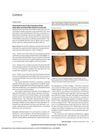 41 citations
,
December 2015 in “JAMA Dermatology”
41 citations
,
December 2015 in “JAMA Dermatology” Tofacitinib citrate improved nail dystrophy and pain in patients with alopecia universalis without causing side effects.
 40 citations
,
February 1990 in “Journal of The American Academy of Dermatology”
40 citations
,
February 1990 in “Journal of The American Academy of Dermatology” A 17-year-old developed woolly hair nevus in adolescence, which is unusual, and over time the hair darkened and straightened slightly, but microscopic changes persisted.
38 citations
,
December 2006 in “Journal of Investigative Dermatology” Keratin patterns in hair follicles help understand hair growth and potential hair and nail disorders.
 31 citations
,
January 2014 in “International Journal of Trichology”
31 citations
,
January 2014 in “International Journal of Trichology” The arrector pili muscle might play a role in hair loss and needs more research to understand its impact.
25 citations
,
November 2020 in “Proceedings of the National Academy of Sciences” HoxC genes are crucial for normal hair and nail development.
 24 citations
,
July 1987 in “Dermatologic Clinics”
24 citations
,
July 1987 in “Dermatologic Clinics” Systemic diseases can cause hair loss, which is often reversible with treatment.
 24 citations
,
November 2019 in “Experimental Dermatology”
24 citations
,
November 2019 in “Experimental Dermatology” PPAR-γ is important for healthy hair and its problems, and more research on PPAR-γ treatments is needed.
 19 citations
,
January 2015 in “Current problems in dermatology”
19 citations
,
January 2015 in “Current problems in dermatology” Ultraviolet rays damage hair, smoking may cause hair loss, and good nutrition is important for hair health, but genetics mainly decide hair thickness.
18 citations
,
January 2009 in “Experimental Dermatology” mTOR may link different pathways in hair follicle tumor formation.
 15 citations
,
July 2019 in “Journal of Investigative Dermatology”
15 citations
,
July 2019 in “Journal of Investigative Dermatology” CBD can either reduce inflammation and not affect hair growth at low levels or inhibit hair growth at high levels.
 13 citations
,
March 2020 in “Genes”
13 citations
,
March 2020 in “Genes” Disrupting the FGF5 gene in rabbits leads to longer hair by extending the hair growth phase.
 11 citations
,
October 2021 in “Frontiers in Cell and Developmental Biology”
11 citations
,
October 2021 in “Frontiers in Cell and Developmental Biology” Non-coding RNAs are important for hair growth and could lead to new hair loss treatments, but more research is needed.