 November 2022 in “Journal of Education, Health and Sport”
 The skin's bacteria might influence the development of a hair loss condition called alopecia areata.
 June 2022 in “bioRxiv (Cold Spring Harbor Laboratory)”
 ILC1-like cells can cause alopecia areata by attacking hair follicles.
 October 2021 in “Research Square (Research Square)”
 Melatonin affects certain genes and pathways involved in cashmere goat hair growth.
 October 2021 in “The Egyptian Journal of Hospital Medicine”
 Alopecia areata causes patchy hair loss and involves immune system disruptions.

Wild African goats have genetic adaptations for surviving harsh desert conditions.
 June 2021 in “Research Square (Research Square)”
 Melatonin can increase cashmere yield by altering gene expression and restarting the growth cycle early.
 April 2021 in “Journal of Investigative Dermatology”
 The research found genes that may protect certain scalp cells from hair loss.
Alopecia Areata has no cure, treatments are limited, and the condition often recurs, but new therapies like JAK inhibitors show promise.
 December 2020 in “Daehanhanuihakoeji”
 Rumex japonicas Houttuyn ethanol extract helps increase hair growth and protect against hair damage.
 January 2020 in “Der Pharmacia Lettre”
 Nanoparticle-based herbal remedies could be promising for treating hair loss with fewer side effects and lower cost, but more research is needed.
 December 2018 in “IntechOpen eBooks”
 Neurohormones help control skin health and could treat skin disorders.
 October 2018 in “InTech eBooks”
 The gene Foxn1 is important for hair growth, and understanding it may lead to new alopecia treatments.
 April 2018 in “Journal of Investigative Dermatology”
 A new treatment using AGED to modulate PPAR-γ shows promise for treating scarring hair loss by protecting and repairing hair follicle cells.
 April 2018 in “Journal of Investigative Dermatology”
 Macrophages are more involved in Lichen planopilaris than in Frontal fibrosing alopecia.
 April 2018 in “Journal of Investigative Dermatology”
 Different types of stem cells in the skin contribute to the variety of melanoma forms.

Proretinal nanoparticles are a safe and effective way to deliver retinal to the skin.
 January 2018 in “Springer eBooks”
 Hidradenitis Suppurativa is likely an autoinflammatory disease, and better understanding its causes could improve treatments.
 January 2018 in “Elsevier eBooks”
 The document concludes that alopecia has significant social and psychological effects, leading to a market for hair loss treatments.
 January 2018 in “Stem cell biology and regenerative medicine”
 ATP-dependent chromatin remodeling is crucial for skin development and stem cell function.
 January 2017 in “Journal of Investigative Dermatology Symposium Proceedings”
 The 2015 Hair Research Congress concluded that stem cells, maraviroc, and simvastatin could potentially treat Alopecia Areata, topical minoxidil, finasteride, and steroids could treat Frontal Fibrosing Alopecia, and PTGDR2 antagonists could also treat alopecia. They also found that low-level light therapy could help with hair loss, a robotic device could assist in hair extraction, and nutrition could aid hair growth. They suggested that Alopecia Areata is an inflammatory disorder, not a single disease, indicating a need for personalized treatments.
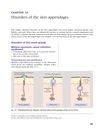 December 2016 in “John Wiley & Sons, Ltd eBooks”
 The document concludes that proper recognition and treatment of skin appendage disorders are important for management.
 May 2016 in “Research opinions in animal & veterinary sciences”
 Maternal aspartame consumption during pregnancy leads to skin damage and higher apoptosis in newborn rat offspring.
 April 2016 in “Journal of Investigative Dermatology”
 Double-stranded RNA activates a pathway that causes a skin protein to be expressed in the wrong place.
 November 2015 in “European Journal of Inflammation”
 Cicatricial alopecia, a permanent hair loss condition, is mainly caused by damage to specific hair follicle stem cells and abnormal immune responses, with gene regulator PPAR-y and lipid metabolism disorders playing significant roles.

Alopecia areata is an autoimmune disease affecting hair follicles and may harm heart health.
 September 2014 in “Aktuelle Dermatologie”
 The symposium concluded that environmental factors significantly contribute to skin aging.
 January 2012 in “Journal of Investigative Dermatology”
 Small molecule DMF improves psoriasis and multiple sclerosis, adult skin cells can be made to grow new hair, certain skin cells initiate hair growth, IL-17C controls gut health and can cause skin inflammation, and skin cells produce IL-17 that can lead to psoriasis.
 January 2012 in “Elsevier eBooks”
 New treatments for skin and hair repair show promise, but further improvements are needed.
 February 2008 in “Experimental dermatology”
 Oxidative stress plays a significant role in vitiligo, and both skin and non-skin cells may be involved.
 August 2007 in “Journal of Investigative Dermatology”
 The meeting discussed vitamin D3's role in fighting tuberculosis, potential treatments for skin conditions like psoriasis, and hair follicle regeneration as a possible solution for hair loss.