1 citations
,
January 2017 The document outlines criteria to identify and differentiate neoplasms based on follicular characteristics.
 1 citations
,
January 2015 in “Journal of nutrition & health”
1 citations
,
January 2015 in “Journal of nutrition & health” Fish oil improves skin health in people with diabetes and high cholesterol.
July 2026 in “bioRxiv (Cold Spring Harbor Laboratory)” Acne starts with a cell change in skin, leading to inflammation and blocked pores.
 May 2025 in “Frontiers in Veterinary Science”
 Cashmere quality differences are due to gene expression variations affecting hair development and adaptation to cold.
 January 2025 in “Dermatology Review”
 Trichilemmal carcinoma is rare, usually benign after removal, but needs close follow-up due to recurrence risks.
July 2024 in “Journal of Investigative Dermatology” CD8+ T cells attack hair follicle stem cells, causing scarring and hair loss in Discoid Lupus.
 June 2023 in “Historical records of Australian science/Historical Records of Australian Science”
 George Ernest Rogers was a notable scientist who made important discoveries about hair and wool proteins.
 June 2023 in “Frontiers in Medicine”
 Protein tyrosine kinases are key in male pattern baldness, affecting skin structure, hair growth, and immune responses.
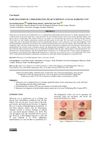 March 2022 in “Folia Medica Indonesiana”
 The lump on a woman's scalp was a rare, potentially cancerous tumor from the hair follicle, not a common cyst.
 October 2018 in “InTech eBooks”
 The gene Foxn1 is important for hair growth, and understanding it may lead to new alopecia treatments.
Goats can have various genetic skin diseases affecting hair, skin, and thyroid function.
January 2017 in “대한미용학회지” The cuticle layer in hair follicles thickens during keratinization due to incomplete cytosol loss.
September 2016 in “European Journal of Pediatric Dermatology/PD. European journal of pediatric dermatology” Ulerythema ophryogenes causes hair thinning and inflammation, with limited treatment options.
 April 1906 in “The American Journal of the Medical Sciences”
 Keratosis Pilaris Atrophicans causes skin scarring and might be treated with a new synthetic retinoid.
Bovines can have rare inherited skin diseases with specific symptoms like hair loss, fragile skin, and abnormal porphyrin buildup.
3 citations
,
October 2019 in “CRC Press eBooks” Isotretinoin effectively treats severe acne but can cause significant side effects like dry skin and hair loss.
 1 citations
,
January 1989 in “Journal of dermatological treatment”
1 citations
,
January 1989 in “Journal of dermatological treatment” Azelaic acid may help treat acne by killing bacteria, reducing inflammation, and preventing clogged pores.
 November 2022 in “JAAD case reports”
 A man with skin and hair symptoms improved partially with specific treatment.
292 citations
,
October 1985 in “The Journal of Cell Biology” Keratins and filaggrin change as fetal skin develops, marking key stages of skin formation.
149 citations
,
March 1981 in “American Journal of Ophthalmology” Eyelid mites may contribute to eye problems.
17 citations
,
November 1967 in “American Journal of Anatomy” Hairless mice have longer hair follicles and abnormal structures during the catagen phase.
1 citations
,
April 2008 in “Experimental Dermatology” Hidradenitis suppurativa may mainly affect vellus hair follicles, not terminal ones.
August 2024 in “Skin Research and Technology” TAF can be identified by excessive skin thickening and clogged hair follicles, helping distinguish it from similar skin conditions.
January 2002 in “Linchuang pifuke zazhi” A young woman had a rare scalp tumor usually found in older women.
219 citations
,
July 1995 in “PubMed” Keratinocyte growth factor promotes hair growth and reduces hair loss from chemotherapy.
 31 citations
,
December 2010 in “Journal of the American Academy of Dermatology”
31 citations
,
December 2010 in “Journal of the American Academy of Dermatology” Loose anagen hair syndrome is caused by structural abnormalities in the hair follicle's inner root sheath.
38 citations
,
January 2014 in “Journal of Dermatological Science” Krtap11-1 is important for hair strength and structure.
30 citations
,
September 2000 in “Journal of Dermatological Science” Fatty acid composition in human skin, mouth, and hair cells varies with keratinization, and cultured cells show essential fatty acid deficiency.
11 citations
,
January 1977 in “Archives of dermatological research” Mouse tail skin has different keratinization near hair follicles and scales.
18 citations
,
March 2009 in “Experimental Dermatology” Pilomatricoma can develop into various hair-related structures.