 1 citations
,
May 2002 in “British Journal of Dermatology”
1 citations
,
May 2002 in “British Journal of Dermatology” Hair loss caused by longer latent hair cycle and sudden miniaturization, not gradual follicle size reduction.
 May 2002 in “British Journal of Dermatology”
 Hair loss caused by longer latent hair cycle and sudden miniaturization, not gradual follicle size reduction.
August 2021 in “Journal of The American Academy of Dermatology” Newer contraceptives with less androgenic progestins may reduce female hair loss.
 29 citations
,
September 2012 in “Dermatologic Clinics”
29 citations
,
September 2012 in “Dermatologic Clinics” Hair disorders are caused by a complex mix of biology, genetics, hormones, and environmental factors, affecting hair growth and leading to conditions like alopecia.
 21 citations
,
July 2014 in “British Journal of Dermatology”
21 citations
,
July 2014 in “British Journal of Dermatology” Hair thickness matters more than density for baldness in Japanese men over 25.
 40 citations
,
May 2012 in “British Journal of Dermatology”
40 citations
,
May 2012 in “British Journal of Dermatology” Recognizing specific features of African-American hair can help diagnose hair loss conditions.
12 citations
,
June 2024 in “JAAD Case Reports” Tirzepatide may improve hair loss by reducing insulin resistance.
2 citations
,
March 2011 in “Hair transplant forum international” Female pattern hair loss involves hair follicles shrinking, influenced by hormones like melatonin and prolactin.
May 2023 in “Journal of Cosmetic and Laser Therapy” Using multiple treatments together works better for female hair loss than using one treatment alone.
 66 citations
,
June 2018 in “International Journal of Women's Dermatology”
66 citations
,
June 2018 in “International Journal of Women's Dermatology” No cure for female pattern hair loss, but various effective treatments exist.
January 2004 in “Nederlands Tijdschrift voor Dermatologie & Venereologie” Female pattern hair loss causes thinning hair on top of the scalp, treatable with limited success.
 6 citations
,
June 2019 in “Skin Research and Technology”
6 citations
,
June 2019 in “Skin Research and Technology” Finasteride works for hair loss by maintaining existing hair follicles, not reversing miniaturization.
 158 citations
,
February 2000 in “Archives of dermatology”
158 citations
,
February 2000 in “Archives of dermatology” Some people with pattern hair loss may also have scalp inflammation and scarring similar to lichen planopilaris.
 58 citations
,
January 2006 in “Skin Pharmacology and Physiology”
58 citations
,
January 2006 in “Skin Pharmacology and Physiology” High levels of testosterone and 5α-DHT can lead to cell death in cells important for hair growth.
28 citations
,
June 2000 in “PubMed” Androgenetic alopecia is common hair loss due to genetics and DHT.
 20 citations
,
August 2005 in “Journal of Cutaneous Pathology”
20 citations
,
August 2005 in “Journal of Cutaneous Pathology” The protein ARA70/ELE1 is involved in male pattern baldness, and lower levels of its short form may lead to hair thinning.
 12 citations
,
January 2005 in “Journal of Cosmetic Dermatology”
12 citations
,
January 2005 in “Journal of Cosmetic Dermatology” AGA affects many, progresses differently, and early treatment is crucial.
 11 citations
,
January 2015 in “Current problems in dermatology”
11 citations
,
January 2015 in “Current problems in dermatology” The conclusion is that treatments like finasteride and minoxidil can prevent baldness progression and improve hair density, but more research is needed on other therapies.
 11 citations
,
May 2009 in “Medical Hypotheses”
11 citations
,
May 2009 in “Medical Hypotheses” Male pattern baldness is an unintended side effect of the body's use of androgens for muscle growth, especially in those genetically prone to it.
10 citations
,
January 2015 in “International Journal of Trichology” Mechanical stress contributes to hair loss in androgenetic alopecia.
10 citations
,
October 2000 in “PubMed” Androgenetic alopecia affects many people, impacting quality of life, and treatment focuses on reversing hair follicle miniaturization.
 9 citations
,
June 2014 in “British Journal of Dermatology”
9 citations
,
June 2014 in “British Journal of Dermatology” The study found that balding scalps have more thin hairs and larger oil glands, which might contribute to skin conditions related to hair loss.
 8 citations
,
January 1989 in “Annual Reports in Medicinal Chemistry”
8 citations
,
January 1989 in “Annual Reports in Medicinal Chemistry” Hair loss from alopecia areata and androgenetic alopecia can be treated, but more effective and safer treatments are needed.
 7 citations
,
February 2021 in “Dermatologic Therapy”
7 citations
,
February 2021 in “Dermatologic Therapy” Sebaceous glands are involved in various skin disorders, some treatable with medications like finasteride and minoxidil.
 6 citations
,
January 2022 in “Journal of Investigative Dermatology”
6 citations
,
January 2022 in “Journal of Investigative Dermatology” Male pattern baldness is linked to higher levels of a certain receptor in the scalp, which leads to the shrinking of blood vessels and hair loss. Early treatment targeting this receptor could be more effective.
5 citations
,
January 2021 in “Frontiers in Cell and Developmental Biology” Inhibiting Zyxin may help treat androgenetic alopecia by promoting hair growth.
 5 citations
,
April 2016 in “The American Journal of Dermatopathology”
5 citations
,
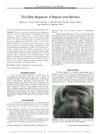
April 2016 in “The American Journal of Dermatopathology” A tick bite caused temporary hair loss in a man, which is a rare condition that usually gets better within 3 months.
 4 citations
,
January 2019 in “PubMed”
4 citations
,
January 2019 in “PubMed” Patterned hair loss in women is linked to hormonal imbalances and biochemical changes, and should be evaluated for underlying health issues.
 4 citations
,
April 2016 in “Experimental Dermatology”
4 citations
,
April 2016 in “Experimental Dermatology” AGA causes hair loss through follicle miniaturization and hair cycle changes; regrowth depends on anagen initiation in kenogen follicles.
 1 citations
,
March 2021 in “Dermatological reviews”
1 citations
,
March 2021 in “Dermatological reviews” AGA, a common hair loss, is caused by genetics, hormones, age, and environmental factors.