 January 2022 in “Acta dermatovenerologica Alpina, Pannonica et Adriatica (Tiskana izd.)”
 Uncombable hair syndrome causes frizzy hair and can affect the nervous system, eyes, and ears, often co-occurring with other hair, skin, nail, and teeth conditions, and is linked to three specific gene mutations.
 March 2014 in “Journal of The American Academy of Dermatology”
 Mycophenolic acid may help hair grow by activating pathways important for hair growth.
 30 citations
,
March 2010 in “European Journal of Dermatology”
30 citations
,
March 2010 in “European Journal of Dermatology” Hair loss in elderly women is often caused by various factors, including hormonal changes after menopause.
 127 citations
,
December 2007 in “Journal of Investigative Dermatology”
127 citations
,
December 2007 in “Journal of Investigative Dermatology” Mice hair growth patterns get more complex with age and can change with events like pregnancy or injury.
 82 citations
,
September 2018 in “Nature Communications”
82 citations
,
September 2018 in “Nature Communications” A certain smell receptor in hair follicles can affect hair growth when activated by a synthetic sandalwood scent.
 73 citations
,
October 2003 in “Journal of Pharmacology and Experimental Therapeutics”
73 citations
,
October 2003 in “Journal of Pharmacology and Experimental Therapeutics” Hair color loss can indicate the effectiveness of a drug targeting the KIT protein in mice and humans.
 58 citations
,
February 2016 in “Scientific reports”
58 citations
,
February 2016 in “Scientific reports” Blocking BACE1 and BACE2 enzymes causes hair color loss in mice.
 42 citations
,
January 2014 in “Cold Spring Harbor Perspectives in Medicine”
42 citations
,
January 2014 in “Cold Spring Harbor Perspectives in Medicine” Hair growth is influenced by various body and external factors, and neighboring hairs communicate to synchronize regeneration.
 12 citations
,
September 2014 in “Journal of Food Science and Nutrition”
12 citations
,
September 2014 in “Journal of Food Science and Nutrition” Platycarya strobilacea extract is a strong antioxidant that can grow hair better than minoxidil.
 January 2015 in “Springer eBooks”
 Hair health is influenced by genetics, aging, and environmental factors, with proper care needed to maintain it.
 13 citations
,
April 2022 in “Frontiers in oncology”
13 citations
,
April 2022 in “Frontiers in oncology” Melanoma development can be linked to the breakdown of skin's melanin-producing units.
 69 citations
,
August 2014 in “Journal of The American Academy of Dermatology”
69 citations
,
August 2014 in “Journal of The American Academy of Dermatology” Trichoscopy is a quick, cost-effective tool for diagnosing different hair loss conditions.
 1 citations
,
May 2002 in “British Journal of Dermatology”
1 citations
,
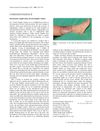
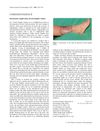
May 2002 in “British Journal of Dermatology” Hair loss caused by longer latent hair cycle and sudden miniaturization, not gradual follicle size reduction.
 May 2002 in “British Journal of Dermatology”
 Hair loss caused by longer latent hair cycle and sudden miniaturization, not gradual follicle size reduction.
 24 citations
,
January 2006 in “Skin Pharmacology and Physiology”
24 citations
,
January 2006 in “Skin Pharmacology and Physiology” Finasteride reverses early hair loss and promotes growth.
 64 citations
,
March 2005 in “Journal of Investigative Dermatology”
64 citations
,
March 2005 in “Journal of Investigative Dermatology” Brain-Derived Neurotrophic Factor (BDNF) slows down hair growth and promotes hair follicle regression.
 114 citations
,
January 2007 in “Drug Safety”
114 citations
,
January 2007 in “Drug Safety” Some drugs can cause skin, nail, and hair problems, which are important for healthcare professionals to recognize and report.
 2 citations
,
June 2012 in “Journal of Cosmetic Dermatology”
2 citations
,
June 2012 in “Journal of Cosmetic Dermatology” Hair transplant using beard hair made acne scars on cheeks less visible with minimal scarring in the donor area.
 March 2026 in “Clinical Cosmetic and Investigational Dermatology”
 Effective hair removal is crucial for better cosmetic results in forehead flap reconstruction, with laser hair removal being the preferred method.
 September 2025 in “Dermatology and Therapy”
 Baricitinib is a promising treatment for alopecia areata in the UAE, but there are challenges with data and access.
 July 2003 in “Journal of Cutaneous Medicine and Surgery”
 Stopping certain drugs can improve skin conditions, arsenicosis affects over half of a Bangladeshi village, males are more vulnerable, and certain treatments are effective for warts, acne, and psoriasis. Smoking and drinking are linked to psoriasis in men, a cream helps with a type of skin cancer, and low iron levels don't directly cause chronic hair loss in women.
130 citations
,
December 1998 in “The journal of investigative dermatology/Journal of investigative dermatology” Hair follicle melanocytes die during hair regression.
450 citations
,
January 2005 in “The journal of investigative dermatology/Journal of investigative dermatology” Hair color is determined by melanin produced and transferred in hair follicles.
29 citations
,
January 2013 in “The journal of investigative dermatology/Journal of investigative dermatology” P-cadherin is crucial for hair follicle pigmentation but not skin pigmentation.
 12 citations
,
January 2021 in “Journal of Investigative Dermatology”
12 citations
,
January 2021 in “Journal of Investigative Dermatology” Hair follicle studies suggest that maintaining telomere length could help treat hair loss and graying, but it's uncertain if mouse results apply to humans.
September 2024 in “Journal of Investigative Dermatology” VIP reduces hair pigmentation by decreasing melanin production.
 56 citations
,
March 2015 in “Journal of Investigative Dermatology”
56 citations
,
March 2015 in “Journal of Investigative Dermatology” Healthy mitochondria in skin cells are essential for proper hair growth and skin cell interaction in mice.
 May 2010 in “Journal of the Dermatology Nurses' Association”
 Cicatricial alopecia causes permanent hair loss and is treated to relieve symptoms and stop progression.
 September 2025 in “Frontiers in Cell and Developmental Biology”
 Retinoic acid may help heal skin without scars by reducing fibrosis and supporting skin regeneration.
 38 citations
,
September 2017 in “Oncologist”
38 citations
,
September 2017 in “Oncologist” Scalp cooling can help prevent chemotherapy-induced hair loss with a 50-90% success rate and is safe for patients.