 8 citations
,
May 2019 in “Indian Journal of Plastic Surgery/Indian journal of plastic surgery”
8 citations
,
May 2019 in “Indian Journal of Plastic Surgery/Indian journal of plastic surgery” Plasma is better than Ringer's lactate for hair graft survival and growth after transplantation.
 September 2007 in “Dermatologic Surgery”
 3% hydrogen peroxide does not reduce hair graft survival compared to saline.
October 2022 in “Hair Transplantation” Surgical techniques, post-operative care, and patient factors affect transplanted hair survival.
August 2017 in “Otolaryngology” Using a buffering solution and applying Platelet-Rich Plasma improves hair graft survival in hair restoration surgery.
 13 citations
,
September 2018 in “Hair transplant forum international”
13 citations
,
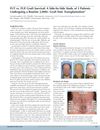
September 2018 in “Hair transplant forum international” FUE and FUT hair transplants have similar success rates, with FUE slightly better.
January 2026 in “Journal of Advances in Medicine and Medical Research” Adding Platelet-Rich Plasma to hair implantation improves hair growth and graft survival.
 May 2018 in “Hair transplant forum international”
 Plasma as a graft holding solution improves hair transplant results by increasing graft survival and promoting hair growth.
 8 citations
,
May 2003 in “Hair transplant forum international”
8 citations
,
May 2003 in “Hair transplant forum international” New storage solutions improve the survival of small hair grafts and results of hair transplant surgeries.
 July 2024 in “Journal of Investigative Dermatology”
 Bioactive peptides improve graft survival and new hair growth.
 4 citations
,
December 2007 in “Dermatologic Surgery”
4 citations
,
December 2007 in “Dermatologic Surgery” 3% hydrogen peroxide does not harm hair graft survival compared to saline.
11 citations
,
January 2019 in “Dermatologic Surgery” Hair follicle transplants help heal wounds, but scar quality and hair growth vary by location.
 12 citations
,
January 2010 in “Hair transplant forum international”
12 citations
,
January 2010 in “Hair transplant forum international” The survival rates of hair grafts are similar regardless of how they are trimmed.
 July 2021 in “Aesthetic Surgery Journal”
 Using lasers and fat grafting before hair transplant improves hair growth on scarred skin.
 22 citations
,
December 1998 in “Dermatologic Surgery”
22 citations
,
December 1998 in “Dermatologic Surgery” A new storage solution may increase hair transplant graft survival.
 July 2023 in “Clinical, Cosmetic and Investigational Dermatology”
 The sharp implanter method for hair graft placement is simpler and faster, allowing for dense packing of grafts with natural results.
 November 1994 in “The Journal of Dermatologic Surgery and Oncology”
 Thousand-graft hair transplants offer better coverage and look more natural but have concerns about graft survival and cosmetic risks.
4 citations
,
October 2016 in “The journal of investigative dermatology/Journal of investigative dermatology” Using an anti-ICAM-1 antibody with rapamycin improves hair transplant survival in monkeys.
 May 1999 in “Dermatologic Surgery”
 The cell culture medium "RPMI" might slightly improve hair graft survival, but not by a significant amount.
 19 citations
,
January 2007 in “Journal of medical investigation”
19 citations
,
January 2007 in “Journal of medical investigation” GFP transgenic mice help study cell origins in skin grafts.
 10 citations
,
May 2008 in “Dermatologic Surgery”
10 citations
,
May 2008 in “Dermatologic Surgery” Densely packed hair grafts can survive well using the lateral slit technique.
 1 citations
,
July 2021 in “Dermatologic Surgery”
1 citations
,
July 2021 in “Dermatologic Surgery” Removing the outer layer of skin cells from hair grafts does not change the graft survival rate but may improve how it looks right after surgery.
 1 citations
,
August 2008 in “Dermatologic Surgery”
1 citations
,
August 2008 in “Dermatologic Surgery” High-density hair transplants can have high survival rates with improved techniques, but lower densities might also give good results.
 17 citations
,
January 2010 in “PubMed”
17 citations
,
January 2010 in “PubMed” Optimal storage solutions and effective additives are crucial for improving the survival of hair transplant grafts.

Plucked hair follicles grow faster than conventional ones, making them a potentially better option for hair transplants.
 3 citations
,
January 2019 in “Journal of Cutaneous and Aesthetic Surgery”
3 citations
,
January 2019 in “Journal of Cutaneous and Aesthetic Surgery” Scalp and beard hair survive best in hair transplants, but the procedure needs high skill and takes longer.
 25 citations
,
May 2011 in “Annals of Plastic Surgery”
25 citations
,
May 2011 in “Annals of Plastic Surgery” Nonhead hair transplantation is effective for patients with limited head donor hair, but more research is needed.
 April 2008 in “Medical & surgical dermatology”
 Certain hairstyles can cause scalp diseases, smoking is linked to hair loss, 5% minoxidil foam is effective for hair loss treatment, and various factors influence wound healing and hair growth.
 August 2001 in “Dermatologic Surgery”
 The KNU implanter for hair transplants showed a high survival rate of 90%+ for transplanted hairs after 6 months, with benefits like natural hair direction and fewer scars.
 3 citations
,
February 2000 in “Dermatologic Surgery”
3 citations
,
February 2000 in “Dermatologic Surgery” The document concludes that hair restoration has improved with follicular unit transplantation, making it more scientific and precise.
Dense-packing hair grafting is a simple, safe, and effective way to restore hair in people with cicatricial alopecia.