 12 citations
,
February 2016 in “Biochemical and Biophysical Research Communications”
12 citations
,
February 2016 in “Biochemical and Biophysical Research Communications” Sulforaphane may help with hair growth by breaking down a hormone that causes hair loss.
 3 citations
,
February 2019 in “Journal of Cosmetic Dermatology”
3 citations
,
February 2019 in “Journal of Cosmetic Dermatology” The effects of estrogen on human scalp hair growth are unclear and need more research.
 April 2023 in “Journal of The American Academy of Dermatology”
 Some drugs linked to growth hormones may increase the chance of hair loss in women.
 December 2017 in “International Journal of Current Research in Biosciences and Plant Biology”
 Nutrients and hormones affect root hair growth, but more research is needed to understand the genetic mechanisms.

Different hair growth phases affect how follicles respond to X-rays, and hormones like testosterone and dihydrotestosterone play a key role in baldness; transplanted hair can grow on bald scalp areas.
69 citations
,
January 1995 in “PubMed” Mouse melanocyte structure and function are influenced by genetics, hormones, and environmental factors.
October 2025 in “Journal of the Endocrine Society” The patient was satisfied with hormone therapy, and her epilepsy remained stable.
 62 citations
,
July 1993 in “Journal of Investigative Dermatology”
62 citations
,
July 1993 in “Journal of Investigative Dermatology” Hair growth is influenced by interactions between skin layers, growth factors, and hormones, but the exact mechanisms are not fully understood.
 March 2017 in “bioRxiv (Cold Spring Harbor Laboratory)”
 Plant root hair growth is controlled by the hormone auxin, which affects the production of certain oxygen-related molecules through a specific process.
7 citations
,
January 2002 in “Biological Trace Element Research” Children with pituitary dwarfism have higher zinc and copper, lower manganese, and similar iron levels in hair compared to normal children.
 49 citations
,
November 2014 in “Journal of Medicinal Food”
49 citations
,
November 2014 in “Journal of Medicinal Food” Red Ginseng Extract may help human hair grow by activating growth pathways and blocking negative effects of certain hormones.
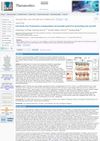 January 2023 in “Theranostics”
 A patch with curcumin-zinc can improve hair growth and health by delivering beneficial particles to the skin, increasing hair follicles, and reversing effects of a hair loss hormone.
 3 citations
,
September 2022 in “Molecules”
3 citations
,
September 2022 in “Molecules” Camellia seed cake extract may help hair growth by blocking the hair loss effects of a hormone called DHT.
 25 citations
,
November 2015 in “Journal of Ethnopharmacology”
25 citations
,
November 2015 in “Journal of Ethnopharmacology” Certain Chinese herbs, especially Cacumen platycladi, can promote hair regrowth and reduce hair loss-related hormone levels in mice.
 9 citations
,
June 2020 in “BMC Molecular and Cell Biology”
9 citations
,
June 2020 in “BMC Molecular and Cell Biology” Stress hormone CRF can cause hair loss by affecting hair growth cells and hormones.
49 citations
,
July 2000 in “Journal of Histochemistry & Cytochemistry” POMC-derived peptides are important for skin functions like immune response and stress management.
 42 citations
,
May 2016 in “Annual Review of Cell and Developmental Biology”
42 citations
,
May 2016 in “Annual Review of Cell and Developmental Biology” Fat cells are important for tissue repair and stem cell support in various body parts.
 26 citations
,
May 2014 in “BioEssays”
26 citations
,
May 2014 in “BioEssays” Using neurohormones to control keratin can lead to new skin disease treatments.
 17 citations
,
June 2018 in “Sexual Medicine Reviews”
17 citations
,
June 2018 in “Sexual Medicine Reviews” The document concludes that non-operative treatment for gender dysphoria is safe and effective, and hormone therapy does not increase cancer risk.
 12 citations
,
February 1997 in “British Journal of Dermatology”
12 citations
,
February 1997 in “British Journal of Dermatology” The enzyme type 1 5α-reductase is more active in the hair follicle's lower part than in the skin's outer layer.
 3 citations
,
June 1981 in “PubMed”
3 citations
,
June 1981 in “PubMed” Taking hormonal contraceptives can cause skin changes, including hair loss, due to the effects of synthetic sex hormones.
 2 citations
,
October 2021 in “Exploration of targeted anti-tumor therapy”
2 citations
,
October 2021 in “Exploration of targeted anti-tumor therapy” Breast cancer hormone therapy can cause hair loss, which can be treated with daily applications of specific topical solutions like minoxidil and hydrocortisone butyrate.
 1 citations
,
January 2022 in “Transgender health”
1 citations
,
January 2022 in “Transgender health” Hormone therapy in transgender individuals can increase acne and affect hair growth and loss.
 March 2013 in “Journal für Kardiologie (Krause & Pachernegg GmbH)”
 Hormones significantly affect hair growth and loss, with potential for new treatments.
 293 citations
,
November 2005 in “Trends in Immunology”
293 citations
,
November 2005 in “Trends in Immunology” Stress can worsen skin conditions and stop hair growth by affecting the body's stress response system.
August 2015 in “대한피부미용학회지” Zinc sulfate may help hair growth.
 58 citations
,
January 2006 in “Skin Pharmacology and Physiology”
58 citations
,
January 2006 in “Skin Pharmacology and Physiology” High levels of testosterone and 5α-DHT can lead to cell death in cells important for hair growth.
 56 citations
,
August 2005 in “Journal of Investigative Dermatology Symposium Proceedings”
56 citations
,
August 2005 in “Journal of Investigative Dermatology Symposium Proceedings” Different women's hair and skin glands respond to hormones in varied ways, which can cause unwanted hair growth even with normal hormone levels, and more research is needed to treat this effectively.
 50 citations
,
March 2001 in “Clinics in Dermatology”
50 citations
,
March 2001 in “Clinics in Dermatology” Genes and hormones cause hair loss, with four genes contributing equally.
Hair growth is controlled by cell interactions and influenced by specific growth factors and hormones.