 June 2025 in “IntechOpen eBooks”
 Exosomes may improve skin and hair treatments but need more research for safe use.
 May 2025 in “Journal of Neonatal Surgery”
 Plant growth factors can help regrow hair in androgenic alopecia.
May 2025 in “Experimental Dermatology” A new genetic tool improves the study of hair growth and potential hair disorder treatments.

Exosome therapy could help hair growth but needs more research for safety and effectiveness.
 June 2024 in “Journal of medicinal chemistry”
 A new AI-driven method shows promise for treating hair loss with a peptide-based drug.

675 nm laser therapy effectively improves hair growth in Indian patients with androgenetic alopecia.
 May 2024 in “International journal of science and research”
 Unani treatment significantly regrows hair in young adults with androgenetic alopecia.

The document concludes that more standardized research is needed to understand exosome therapy's safety and effectiveness for hair loss treatment.
 October 2023 in “Scientific Reports”
 Gene therapy helped rats with a specific type of rickets grow hair without severe inflammation.
 August 2023 in “Dermatologic Surgery”
 Person-to-person hair transplants can work for patients on lifelong immunosuppression, with high hair growth success.
May 2023 in “Clinics in Plastic Surgery” Noninvasive treatments like PRP and laser therapy can effectively promote hair growth and reduce hair loss.
 April 2023 in “Dermatologica Sinica”
 Sex hormones affect hair growth and loss, and treatments for related hair diseases include various medications, hair transplantation, and light therapy.
 December 2021 in “Razrabotka i registraciâ lekarstvennyh sredstv”
 The gel form of substance Y is the most effective for treating hair loss.
December 2021 in “IP Indian journal of clinical and experimental dermatology” PRP therapy significantly improved hair growth in a girl with chronic alopecia areata.
 November 2021 in “Current Otorhinolaryngology Reports”
 New treatments for hair loss could involve using stem cells and a process called the Wnt/beta-catenin pathway to stimulate hair growth.
 January 2020 in “Elsevier eBooks”
 Plant-based chemicals may help hair growth and prevent hair loss but need more research to compete with current treatments.
 July 2019 in “Acta horticulturae”
 Horticultural therapy helped cancer patients feel hopeful and positive about their disease experience.
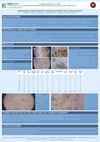
More research is needed to understand chemotherapy-induced hair loss and its phases.
 July 2018 in “Elsevier eBooks”
 New hair loss treatments show promise, but more research is needed to confirm their effectiveness.
 January 2018 in “Clinical approaches and procedures in cosmetic dermatology”
 Low-Level Laser Therapy might be an effective alternative hair loss treatment for some people.
 January 2018 in “Journal of general practice”
 Young people are losing hair due to stress, poor diet, pollution, and lack of sleep, but it can be treated with supplements and scalp treatments.
January 2018 in “Archives of dermatology and skin care” Low level laser therapy may promote hair growth for patterned hair loss, but more research is needed.

Low-level laser therapy may help stem cells grow and function better, aiding in healing and tissue repair.
 January 2015 in “Indian Dermatology Online Journal”
 The patient's hair loss is most likely due to diffuse alopecia areata.
October 2013 in “CRC Press eBooks” Low-level light therapy is used in cosmetics and dermatology to repair skin, reduce inflammation, and treat various skin conditions.
July 2002 in “Journal of applied cosmetology” Hair growth issues can be linked to genetics, diseases, or medications, and new treatments are being developed.
 January 2000 in “BioScience”
 The document concludes that understanding hair biology is key to treating hair disorders, with gene therapy showing potential as a future treatment.
October 1988 in “Archives of Dermatology” Minoxidil's benefits may decrease after two years of use.
March 2023 in “Medical lasers” Low-level laser therapy is a safe and effective treatment for hair loss.
January 2023 in “International Journal of Trichology” Low-level laser therapy is safe but not significantly better than minoxidil alone for hair growth.