October 2022 in “Experimental Dermatology” New technologies show promise for better hair regeneration and treatments.
5 citations
,
February 2023 in “Frontiers in Veterinary Science” Ovine dermal papilla cells are promising for hair growth research due to their stable properties and hair-inducing abilities.
 3 citations
,
February 2009 in “Chinese Journal of Traumatology (english Edition)”
3 citations
,
February 2009 in “Chinese Journal of Traumatology (english Edition)” Human hair cells can be used to grow new hair on rat ears, suggesting a possible treatment for hair loss.
 2 citations
,
May 2017 in “InTech eBooks”
2 citations
,
May 2017 in “InTech eBooks” Stem cells could improve hair growth and new treatments for baldness are being researched.
 March 2013 in “Journal für Kardiologie (Krause & Pachernegg GmbH)”
 Hormones significantly affect hair growth and loss, with potential for new treatments.
90 citations
,
August 2004 in “Physiological Genomics” Dermal papilla cells help skin stem cells grow into hair.
 4 citations
,
December 2015 in “Journal of Medicinal Plants Research”
4 citations
,
December 2015 in “Journal of Medicinal Plants Research” A plant mixture extract helped grow hair by boosting cell growth and growth factors while blocking a hair loss-related enzyme.
 June 2013 in “Faculty Opinions – Post-Publication Peer Review of the Biomedical Literature”
 A substance called FGF9 from certain immune cells can trigger new hair growth during wound healing in mice, but humans may not have the same response due to fewer of these cells.
 June 2013 in “Faculty Opinions – Post-Publication Peer Review of the Biomedical Literature”
 FGF9 from certain cells can trigger new hair growth during wound healing, but humans have fewer of these cells, which may limit hair regrowth.
1 citations
,
July 2024 in “Journal of Investigative Dermatology” MPZL3 protein affects hair growth cycles and could help manage hair loss.
 149 citations
,
July 2014 in “Cold Spring Harbor Perspectives in Medicine”
149 citations
,
July 2014 in “Cold Spring Harbor Perspectives in Medicine” The dermal papilla is crucial for hair growth and health, and understanding it could lead to new hair loss treatments.
 13 citations
,
July 2019 in “Journal of Dermatological Science”
13 citations
,
July 2019 in “Journal of Dermatological Science” Increasing alkaline phosphatase in human skin cells helps to grow more hair.
 1 citations
,
October 2021 in “Gene, cell and tissue”
1 citations
,
October 2021 in “Gene, cell and tissue” Grape sap may help reduce hair loss and promote hair growth in rats.
ISX9 helps regrow hair by activating a specific cell signaling pathway.
September 2016 in “Journal of dermatological science” FGF18 helps hair follicles resist radiation by stopping hair growth cycles.
August 2013 in “International Wound Journal” Non-hairy skin cells might be used to regenerate hair, helping with baldness and skin wounds.
 2 citations
,
March 2013 in “Hair transplant forum international”
2 citations
,
March 2013 in “Hair transplant forum international” Research on "hair cloning" for hair loss shows potential for hair thickening but has not yet achieved new hair growth in humans.
 1 citations
,
May 2018 in “Tropical Journal of Pharmaceutical Research”
1 citations
,
May 2018 in “Tropical Journal of Pharmaceutical Research” Intense pulsed-light therapy helps mice grow hair by activating a specific growth pathway.
 7 citations
,
March 2021 in “Molecular Medicine Reports”
7 citations
,
March 2021 in “Molecular Medicine Reports” A mix of specific inhibitors and a growth factor helps keep hair growth cells from losing their properties in the lab.
 4 citations
,
December 2020 in “Journal of Dermatology”
4 citations
,
December 2020 in “Journal of Dermatology” Impaired autophagy may cause hair loss by triggering early catagen.
55 citations
,
September 2003 in “Experimental Dermatology” PDGF signaling may play a role in hair growth cycle regulation.
 October 2025 in “Gene Expression”
 Exosome therapy could be a promising new way to treat hair loss.
 March 2026 in “Akdeniz Medical Journal”
 Exosomes show promise for treating skin conditions and improving cosmetic skin health.
 November 2023 in “Journal of Cosmetic Dermatology”
 Injecting a person's own fat into their scalp may help regrow hair and improve hair thickness in different types of hair loss.
July 2024 in “Journal of Investigative Dermatology” Allergic contact dermatitis may promote hair growth by activating hair follicle stem cells.
3 citations
,
January 2009 in “Medical Hypotheses” Topical iodine can regenerate and control human scar tissue.
6 citations
,
April 2023 in “Cosmetics” Exosomes could be effective for improving skin health and treating skin diseases.
 3 citations
,
July 2010 in “Archives of internal medicine”
3 citations
,
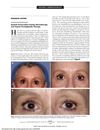
July 2010 in “Archives of internal medicine” A woman kept her eyelashes during chemotherapy possibly because of her glaucoma eye drops.
 127 citations
,
June 2008 in “British Journal of Clinical Pharmacology”
127 citations
,
June 2008 in “British Journal of Clinical Pharmacology” Low doses of some substances can be beneficial, while high doses can be harmful or toxic.
 43 citations
,
October 2013 in “Journal of Investigative Dermatology”
43 citations
,
October 2013 in “Journal of Investigative Dermatology” Organotypic culture systems can grow skin tissues that mimic real skin functions and are useful for skin disease and hair growth research, but they don't fully replicate skin complexity.