January 2010 in “Bradford Scholars (University of Bradford)” MicroRNAs are crucial for hair growth and skin balance.
 2 citations
,
January 2023 in “Scientific Reports”
2 citations
,
January 2023 in “Scientific Reports” HIF-1α is important for hair growth and could be a treatment target for hair loss.
9 citations
,
July 2021 in “Frontiers in genetics” Melatonin makes cashmere grow earlier and more by increasing certain gene activity in goats.
 2 citations
,
September 2022 in “Frontiers in veterinary science”
2 citations
,
September 2022 in “Frontiers in veterinary science” Certain long non-coding RNAs are important for the growth of hair follicles in Inner Mongolian cashmere goats.
 6 citations
,
January 2010 in “Springer eBooks”
6 citations
,
January 2010 in “Springer eBooks” SA linked to mitochondrial issues and oxidative stress, while AGA involves disrupted hair growth genes.
 5 citations
,
September 2020 in “Molecules”
5 citations
,
September 2020 in “Molecules” Extracts from three Polynesian plants were found to promote hair growth by affecting cell growth and gene expression related to hair.
 February 2026 in “International Journal of Molecular Sciences”
 3-Hydroxypropionic acid may help treat hair loss by promoting hair growth in cells.
 6 citations
,
September 2019 in “Archives of Dermatological Research”
6 citations
,
September 2019 in “Archives of Dermatological Research” Found 32 genes linked to male baldness, affecting hair growth and stress-related pathways.
Finasteride and luteolin may help promote hair growth.
 7 citations
,
June 2022 in “Frontiers in Veterinary Science”
7 citations
,
June 2022 in “Frontiers in Veterinary Science” Researchers found genes linked to hair growth cycles in Inner Mongolia cashmere goats, which could help understand and treat hair loss.
 May 2025 in “Frontiers in Veterinary Science”
 Cashmere quality differences are due to gene expression variations affecting hair development and adaptation to cold.
1 citations
,
January 2015 in “China Animal Husbandry & Veterinary Medicine” Four keratin genes are crucial for hair growth in Xinji fine wool sheep.
1 citations
,
February 2016 in “Cell Transplantation” Hair follicles have a more inactive cell cycle than other skin cells, which may help develop targeted therapies for skin diseases and cancer.
 6 citations
,
May 2020 in “Scientific reports”
6 citations
,
May 2020 in “Scientific reports” Researchers identified genes and proteins that may influence wool thickness in sheep.
 July 2016 in “Experimental Dermatology”
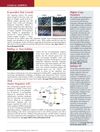
 New treatments for hair growth and psoriasis may be possible, and gene differences could affect baldness and the severity of skin conditions.
5 citations
,
September 2011 in “Biochimica et Biophysica Acta (BBA) - Molecular Basis of Disease” Hairless protein helps control hair growth by regulating vitamin D receptor activity.
39 citations
,
January 2020 in “Frontiers in Genetics” PDGFC gene may help select goats with desirable curly wool traits.
 28 citations
,
May 2017 in “Molecular ecology”
28 citations
,
May 2017 in “Molecular ecology” Researchers found genes that control hair color and growth change before the visible coat color changes in snowshoe hares.
 6 citations
,
November 2018 in “Histochemistry and Cell Biology”
6 citations
,
November 2018 in “Histochemistry and Cell Biology” Mongolian gerbils heal wounds differently than mice, with unique protein levels and gene expression that affect skin repair.
24 citations
,
August 2021 in “Scientific Reports” Non-thermal plasma could help hair growth by activating key cell signals.
 January 2022 in “Journal of St. Marianna University”
 Substances from human hair cells can affect hair loss-related genes, potentially leading to new treatments for baldness.
April 2019 in “The journal of investigative dermatology/Journal of investigative dermatology” Spiny mice regenerate skin better than laboratory mice due to larger hair bulges, more stem cells, and different collagen ratios.
 February 2021 in “Journal of Investigative Dermatology”
 Hair loss in male pattern baldness is linked to changes in specific genes and proteins that affect hair growth and scalp health.
8 citations
,
November 2019 in “Tissue Engineering Part A” Functionalized collagen scaffolds applied prenatally greatly improve skin regeneration.
 May 2017 in “bioRxiv (Cold Spring Harbor Laboratory)”
 The peach gene pCTG134 helps control the interaction between auxin and ethylene hormones during fruit ripening.
 59 citations
,
September 2007 in “Biochemical and Biophysical Research Communications”
59 citations
,
September 2007 in “Biochemical and Biophysical Research Communications” The TRPV3 gene mutation affects hair growth by keeping mice in the growth phase longer, which could help treat hair loss.
8 citations
,
December 2022 in “BMC Genomics” The research improved understanding of yak hair growth to help use yak wool better.
 July 2021 in “Asia-Pacific journal of convergent research interchange”
 Cauliflower Mushroom extract may help treat male hair loss by affecting hair growth-related genes.
 February 2023 in “International Journal of Molecular Sciences”
 Exosomes from skin cells can boost hair growth by stimulating a gene called LEF1.
 1 citations
,
August 2023 in “Journal of cutaneous pathology”
1 citations
,
August 2023 in “Journal of cutaneous pathology” The analysis of a large pilomatricoma revealed five distinct areas with different gene activity related to hair growth and tumor development.