6 citations
,
December 2019 in “International Journal of Cosmetic Science” White hair has weaker tryptophan fluorescence than other unpigmented fibers, possibly due to UV exposure or unknown substances.
 42 citations
,
October 2009 in “The journal of investigative dermatology/Journal of investigative dermatology”
42 citations
,
October 2009 in “The journal of investigative dermatology/Journal of investigative dermatology” Mutations in the KRT85 gene cause hair and nail problems.
 40 citations
,
January 2010 in “International Journal of Trichology”
40 citations
,
January 2010 in “International Journal of Trichology” Loose Anagen Syndrome is a hair condition where hairs can be easily pulled out, mainly affecting young girls, and may improve on its own or with treatment.
 25 citations
,
October 1996 in “Dermatologic Clinics”
25 citations
,
October 1996 in “Dermatologic Clinics” Loose Anagen Syndrome causes easy-to-pull, thin hair, mainly in young girls, and improves with age.
 November 2017 in “Koubunshi rombunshuu/Kōbunshi ronbunshū”
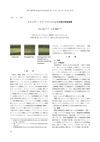
 Hematin in shampoo helps repair and straighten damaged hair.
 July 2003 in “Journal of Cutaneous Medicine and Surgery”
 Treating psoriasis with UVB light three times a week is faster than twice a week, and certain medications and lifestyle factors affect psoriasis treatment outcomes.
 4 citations
,
December 2022 in “International Journal of Molecular Sciences”
4 citations
,
December 2022 in “International Journal of Molecular Sciences” Zinc is crucial for skin health and treating various skin disorders.
 October 1996 in “Dermatologic Clinics”
 Research on hair disorders has advanced, with promising future progress in understanding and treating these conditions.
 12 citations
,
February 1997 in “British Journal of Dermatology”
12 citations
,
February 1997 in “British Journal of Dermatology” The enzyme type 1 5α-reductase is more active in the hair follicle's lower part than in the skin's outer layer.
5 citations
,
August 2000 in “Archives of Pathology & Laboratory Medicine” The nodule on the woman's back was a benign hair follicle tumor, not cancer, but needed removal.
 2 citations
,
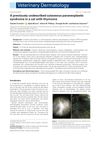
March 2019 in “Veterinary dermatology”
2 citations
,
March 2019 in “Veterinary dermatology” Thymoma in cats can cause hair loss without inflammation.
 1 citations
,
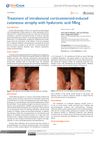
July 2018 in “Journal of dermatology & cosmetology”
1 citations
,
July 2018 in “Journal of dermatology & cosmetology” Hyaluronic acid successfully treated skin atrophy caused by corticosteroid injections.
 1 citations
,
January 1995 in “Skin Cancer”
1 citations
,
January 1995 in “Skin Cancer” Immunohistochemistry helps accurately identify and differentiate malignant trichilemmoma.
 January 2026 in “International Journal of Research and Innovation in Applied Science”
 Recognizing specific markers is crucial for correctly diagnosing and treating rare multifocal MPTT in males.
 November 2022 in “JAAD case reports”
 A man with skin and hair symptoms improved partially with specific treatment.
 October 2021 in “The Egyptian Journal of Hospital Medicine ”
 Combination therapies work better than single treatments for atrophic acne scars.
 January 2008 in “Pratique médicale & chirurgicale de l'animal de compagnie”
 Alopecia X in dogs is a cosmetic issue, not a hormonal disorder, and harmful treatments should be avoided.
 86 citations
,
October 2005 in “Experimental Dermatology”
86 citations
,
October 2005 in “Experimental Dermatology” The Foxn1 gene mutation causes hairlessness and immune system issues, and understanding it could lead to hair growth disorder treatments.
 October 2018 in “InTech eBooks”
 The gene Foxn1 is important for hair growth, and understanding it may lead to new alopecia treatments.
26 citations
,
August 2014 in “Veterinary Dermatology” Sphynx cats have abnormal hair follicles and keratinization affecting their skin.
 22 citations
,
April 2020 in “Scientific reports”
22 citations
,
April 2020 in “Scientific reports” Changthangi goats have specific genes that help produce Pashmina wool.
 15 citations
,
May 2014 in “Journal of dermatology”
15 citations
,
May 2014 in “Journal of dermatology” Zouboulis syndrome is a rare condition that helps diagnose monosomy 18p early.
 1 citations
,
August 2023 in “Journal of cutaneous pathology”
1 citations
,
August 2023 in “Journal of cutaneous pathology” The analysis of a large pilomatricoma revealed five distinct areas with different gene activity related to hair growth and tumor development.
 1 citations
,
January 2015 in “Journal of nutrition & health”
1 citations
,
January 2015 in “Journal of nutrition & health” Fish oil improves skin health in people with diabetes and high cholesterol.
January 2017 in “대한미용학회지” The cuticle layer in hair follicles thickens during keratinization due to incomplete cytosol loss.
292 citations
,
October 1985 in “The Journal of Cell Biology” Keratins and filaggrin change as fetal skin develops, marking key stages of skin formation.
42 citations
,
September 2003 in “Journal of Investigative Dermatology” A missing mK6irs1 gene causes hair loss in mice.
41 citations
,
October 2001 in “Experimental Dermatology” The nude gene is important for skin and hair development.
30 citations
,
April 2009 in “Mycoses” Microsporum gypseum fungus breaks down keratin in hair by digesting it enzymatically, starting with less keratinized parts.
17 citations
,
November 1967 in “American Journal of Anatomy” Hairless mice have longer hair follicles and abnormal structures during the catagen phase.