 239 citations
,
July 2002 in “Clinical and Experimental Dermatology”
239 citations
,
July 2002 in “Clinical and Experimental Dermatology” Low iron and L-lysine levels can cause hair loss in women, and increasing these nutrients can reduce hair shedding.
 147 citations
,
April 1994 in “Drug Safety”
147 citations
,
April 1994 in “Drug Safety” Some drugs can cause hair loss or increase hair growth, but these effects are usually reversible when the drug is stopped.
 134 citations
,
April 2020 in “Journal of Cosmetic Dermatology”
134 citations
,
April 2020 in “Journal of Cosmetic Dermatology” Male pattern hair loss could hint at androgens affecting COVID-19 severity.
 77 citations
,
April 2009 in “British Journal of Dermatology”
77 citations
,
April 2009 in “British Journal of Dermatology” Aromatase gene variation may increase female hair loss risk.
 74 citations
,
April 2005 in “Dermatologic Clinics”
74 citations
,
April 2005 in “Dermatologic Clinics” Minoxidil and finasteride are effective for male hair loss, minoxidil for female hair loss, and various treatments like corticosteroids work for alopecia areata; treatment should be tailored to the individual.
 66 citations
,
June 2018 in “International Journal of Women's Dermatology”
66 citations
,
June 2018 in “International Journal of Women's Dermatology” No cure for female pattern hair loss, but various effective treatments exist.
 49 citations
,
February 2019 in “The Journal of Clinical Endocrinology and Metabolism”
49 citations
,
February 2019 in “The Journal of Clinical Endocrinology and Metabolism” Use "female pattern hair loss" term, assess androgen excess, treat with minoxidil and other medications if needed.
 43 citations
,
April 2017 in “Experimental Dermatology”
43 citations
,
April 2017 in “Experimental Dermatology” Female pattern hair loss has unclear causes, possibly involving genetics, hormones, and environment, and needs better treatments.
 35 citations
,
May 2012 in “Cochrane Database of Systematic Reviews”
35 citations
,
May 2012 in “Cochrane Database of Systematic Reviews” Minoxidil effectively treats female pattern hair loss.
 34 citations
,
May 2017 in “Lasers in Surgery and Medicine”
34 citations
,
May 2017 in “Lasers in Surgery and Medicine” Combining low-level light therapy and minoxidil 5% is more effective for female hair loss than using either treatment alone.
 34 citations
,
June 2007 in “The Journal of Dermatology”
34 citations
,
June 2007 in “The Journal of Dermatology” Most Korean systemic lupus erythematosus patients experienced hair loss, often as non-scarring diffuse hair loss, with non-scarring patch alopecia also common.
 33 citations
,
November 2012 in “Journal of The American Academy of Dermatology”
33 citations
,
November 2012 in “Journal of The American Academy of Dermatology” FPHL common in Taiwanese women; risk factors include BMI, high glucose, early puberty, fewer childbirths, oral contraceptives, and UV exposure.
 21 citations
,
May 2016 in “The Cochrane library”
21 citations
,
May 2016 in “The Cochrane library” Topical minoxidil helps treat female pattern hair loss, but more research needed for other treatments.
 21 citations
,
October 2009 in “Dermatology”
21 citations
,
October 2009 in “Dermatology” Men with male pattern hair loss have different levels of certain hormones compared to men without hair loss.
 16 citations
,
June 2019 in “International Journal of Women's Dermatology”
16 citations
,
June 2019 in “International Journal of Women's Dermatology” Type 2 diabetes may increase the risk of severe hair loss in African American women.
 14 citations
,
May 2013 in “Experimental Dermatology”
14 citations
,
May 2013 in “Experimental Dermatology” The modified wash test is better than TrichoScan® for diagnosing hair loss.
 7 citations
,
May 2019 in “Journal of the Formosan Medical Association”
7 citations
,
May 2019 in “Journal of the Formosan Medical Association” HSD3B1 gene variant and being overweight linked to hair loss in women with polycystic ovary syndrome.
 4 citations
,
May 2021 in “Dermatologic Clinics”
4 citations
,
May 2021 in “Dermatologic Clinics” The conclusion is that hair loss in women is caused by a mix of hormonal, environmental, and genetic factors, and treatments should target these various causes.
 4 citations
,
April 2020 in “Journal of Cosmetic Dermatology”
4 citations
,
April 2020 in “Journal of Cosmetic Dermatology” Low vitamin D levels are linked to different types of hair loss.
 3 citations
,
December 2019 in “Journal of Cosmetic and Laser Therapy”
3 citations
,
December 2019 in “Journal of Cosmetic and Laser Therapy” PRGF treatments increased hair number and thickness in people with hair loss, with more injections leading to better results.
 3 citations
,
June 2002 in “Transgenic Research”
3 citations
,
June 2002 in “Transgenic Research” Scientists made a mouse that can be made to lose hair and then grow it back.
 2 citations
,
January 2017 in “Skin appendage disorders”
2 citations
,
January 2017 in “Skin appendage disorders” Women with and without hair loss have similar amounts of exogen hairs, so these hairs are not a key factor in hair loss conditions.
 2 citations
,
December 2015 in “International Journal of Dermatology”
2 citations
,
December 2015 in “International Journal of Dermatology” Washing test helps identify hair loss type, low iron levels significant.
 February 2026 in “Frontiers in Pharmacology”
 Genetics can help tailor treatments for male pattern hair loss, improving outcomes like stabilization or modest regrowth.
 September 2025 in “Journal of Pakistan Association of Dermatologists”
 Adding Biotin to PRP doesn't improve hair regrowth.

Exosome therapy could help hair growth but needs more research for safety and effectiveness.

Researchers found a genetic link for hereditary hair loss but need more analysis to identify the exact gene.
 August 2021 in “Clinical and Experimental Dermatology”
 Children under 10 can experience hair thinning without hormone issues, and it may improve with treatment.
 November 2020 in “Skin Research and Technology”
 Videodermoscopy better identifies female hair loss than clinical diagnosis.
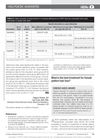 December 2018 in “Evidence-Based Practice”
 Topical minoxidil 1% and 2% are twice as effective as placebo for female pattern hair loss.