 April 2025 in “Clinical Dermatology Review”
 Trichoscopy is effective for diagnosing hair and scalp disorders without invasive biopsies.
 December 2021 in “Molecular genetics and genomics”
 Cats with abnormal hair had DSG4 gene changes causing hair problems.
August 2021 in “Oxford University Press eBooks” New treatments for hair-pulling disorder focus on personalized approaches and combining therapies for better results.
 July 2021 in “Indian journal of dermatopathology and diagnostic dermatology”
 Trichoscopy is a reliable method for diagnosing hair and scalp disorders quickly and non-invasively.
 January 1983 in “Journal of The American Academy of Dermatology”
 The book is a valuable resource for understanding hair and scalp problems but could be updated with more information on certain conditions.
 2 citations
,
January 2010 in “International Journal of Trichology”
2 citations
,
January 2010 in “International Journal of Trichology” The Hair India 2010 conference introduced a new hair loss classification and highlighted advanced diagnostic techniques in trichology.
1 citations
,
August 2021 Instagram ads for skin, hair, and nail supplements often make broad health claims without clear ingredient information, and are not FDA-regulated.
 1 citations
,
January 2012 in “International Journal of Trichology”
1 citations
,
January 2012 in “International Journal of Trichology” Hair India 2012 was a successful international event focused on combating fake trichology practices and discussing various hair health topics.
The model accurately predicts hair loss by analyzing various factors.
 November 2005 in “Journal of Investigative Dermatology Symposium Proceedings”
 The 2004 hair research meeting presented new findings on hair cell differentiation, genetic factors in hair loss, hair pigmentation, and potential targeted therapies.
 34 citations
,
February 2012 in “Journal of Cutaneous Pathology”
34 citations
,
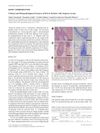
February 2012 in “Journal of Cutaneous Pathology” The research found specific signs to diagnose alopecia areata incognito and noted patients generally regrow hair after steroid treatment.
 4 citations
,
January 2013 in “Acta dermato-venereologica”
4 citations
,
January 2013 in “Acta dermato-venereologica” Some patients with Alopecia Areata experience itch due to immune cells and enzymes that cause itching.
 May 2026 in “Journal of Basic and Clinical Health Sciences”
 FAGA shows varied hair thickness, while TE has more empty follicles.
October 2024 in “Skin Research and Technology” Pili annulati causes zebra-striped hair but doesn't affect hair strength or quality of life.
January 2013 in “Journal of Clinical Dermatology” The combination of oral finasteride and topical 5% minoxidil effectively treats androgenic alopecia, especially after 3 months.
October 2021 in “Technology transfer: innovative solutions in medicine” The combined treatment improved scalp health in women with early-stage hair loss.
July 2025 in “INTERNATIONAL JOURNAL OF SCIENTIFIC RESEARCH” Trichoscopy is crucial for diagnosing alopecia areata by identifying specific hair features.
 1 citations
,
November 2017 in “Skin appendage disorders”
1 citations
,
November 2017 in “Skin appendage disorders” Ingrown hairs are a common feature in scarring alopecias due to follicular damage.
 1 citations
,
January 2013 in “International Journal of Trichology”
1 citations
,
January 2013 in “International Journal of Trichology” The conference discussed various hair disorders and treatments, including the use of topical steroids, high doses of cetrizine, and hair grafting, as well as the psychological impact of hair loss.
 13 citations
,
April 2022 in “Frontiers in oncology”
13 citations
,
April 2022 in “Frontiers in oncology” Melanoma development can be linked to the breakdown of skin's melanin-producing units.
 3 citations
,
January 2020 in “Clinical dermatology review”
3 citations
,
January 2020 in “Clinical dermatology review” Trichoscopy is useful for diagnosing hair and scalp disorders in people with darker skin.
2 citations
,
January 2023 in “Skin Appendage Disorders” More research is needed to confirm initial findings on hair loss patterns from chemotherapy.

Scarring alopecia, a type of hair loss, is most common in females under 35, often caused by discoid lupus erythematosus and pseudopelade of Brocq. Skin punch biopsy and histopathology are key to identifying its cause.
23 citations
,
September 1999 in “Archives of Dermatology” Chronic telogen effluvium is a common hair loss condition with specific characteristics and treatment options.
 11 citations
,
September 2010 in “American Journal of Medical Genetics - Part A”
11 citations
,
September 2010 in “American Journal of Medical Genetics - Part A” A Turkish family with sparse hair and eyebrow loss has a mutation in the U2HR gene linked to Marie Unna hereditary hypotrichosis.
6 citations
,
February 2020 in “Journal of Cutaneous Pathology” Nevus psiloliparus lacks mature hair follicles but keeps other skin structures intact.
 August 2012 in “Journal of Evidence-Based Medicine”
 The issue discussed China's research contributions, systematic review improvements, and featured various medical studies and trials.
 48 citations
,
February 2014 in “Fertility and Sterility”
48 citations
,
February 2014 in “Fertility and Sterility” Women with PCOS often have hair loss, which is linked to acne or excess body hair but not to worse hormone or metabolic issues.
37 citations
,
January 2022 in “Frontiers in Genetics” Aging reduces dermal sheath cells, affecting youthful skin appearance.
 2 citations
,
May 2023 in “JAAD Case Reports”
2 citations
,
May 2023 in “JAAD Case Reports” The document concludes that early and accurate diagnosis of hair loss on the top of the scalp in Black men is important to distinguish CCCA from other types of hair loss.