41 citations
,
June 2024 in “Journal of Cellular and Molecular Medicine” Natural antioxidants may help prevent hair loss by reducing oxidative stress.
28 citations
,
May 2014 in “PubMed” Higher stress levels may be linked to hair loss in rhesus macaques.
22 citations
,
July 2015 in “PloS one” Foxp1 helps control hair stem cell growth and response to stress during hair growth cycles.
 15 citations
,
January 2016 in “Przeglad Menopauzalny”
15 citations
,
January 2016 in “Przeglad Menopauzalny” Eating a balanced diet with specific nutrients is important for menopausal women to manage hair loss.
 7 citations
,
October 2015 in “American Journal of Primatology”
7 citations
,
October 2015 in “American Journal of Primatology” Monkeys with hair loss during pregnancy showed higher stress hormone levels and invested differently in their offspring.
 7 citations
,
January 2015 in “Hair therapy & transplantation”
7 citations
,
January 2015 in “Hair therapy & transplantation” Air pollution can cause hair loss, and using antioxidants, special shampoos, and coconut oil can improve scalp health and hair density.
 4 citations
,
August 2021 in “GSC biological and pharmaceutical sciences”
4 citations
,
August 2021 in “GSC biological and pharmaceutical sciences” Some plants might help prevent or treat hair loss.
3 citations
,
August 2022 in “International Journal of Molecular Sciences” COVID-19 can cause hair loss, and treatments like PRP and stem cells might help.
 3 citations
,
May 2018 in “Journal of nutritional health & food science”
3 citations
,
May 2018 in “Journal of nutritional health & food science” Nutritional supplements can help manage hair loss and promote hair growth by strengthening hair roots and countering harmful effects of pollution, smoking, and deficiencies in vitamins and minerals.
Iron deficiency can cause hair loss, but iron supplements can help restore hair growth.
 July 2026 in “Clinical Cosmetic and Investigational Dermatology”
 Poor sleep and high stress are linked to skin, scalp, and hair problems.
 September 2025 in “Cosmoderma”
 Pandemic stress worsens hair loss and skin issues, suggesting combined mental and skin care treatments.
March 2025 in “Global Journal For Research Analysis” Stress management and proper hair care can help reduce hair loss.
May 2024 in “Molecules/Molecules online/Molecules annual” Plant extracts can help prevent hair loss and promote hair growth.
 April 2024 in “Clinical, cosmetic and investigational dermatology”
 Salvianolic Acid B helps hair grow by reducing cell stress and increasing blood flow to hair follicles.
 April 2023 in “Journal of Investigative Dermatology”
 People who had severe COVID-19 are more likely to experience hair loss.
 January 2023 in “International Journal of Dermatology and Venereology”
 Many people experienced hair loss after having COVID-19, with the worst cases in hospitalized patients, and some saw hair regrowth within six months.
November 2020 in “Zenodo (CERN European Organization for Nuclear Research)” Managing stress and avoiding hair dyes can help prevent hair loss.
 January 2015 in “Springer eBooks”
 Fat-derived stem cells and their secretions show promise for treating skin aging and hair loss.
 January 2014 in “International Journal of Athletic Therapy and training”
 A female runner's hair loss was caused by stress from surgery and recovery, but her hair returned to normal in 5 months.
 January 2008 in “Journal of The American Academy of Dermatology”
 Hair loss affects 20% of people, more in men and those over 35, and is often associated with a sensitive scalp.
December 2021 in “OPAL (Open@LaTrobe) (La Trobe University)” Disrupting the Hars2 gene in mice causes hearing loss due to mitochondrial problems and hair cell damage.
 159 citations
,
December 2007 in “American Journal of Pathology”
159 citations
,
December 2007 in “American Journal of Pathology” Stress-related substance P may lead to hair loss and negatively affect hair growth.
 May 2026 in “International Journal of Creative and Open Research in Engineering and Management”
 A balanced diet and healthy lifestyle are crucial for preventing hair loss.
 July 2018 in “International journal of clinical & experimental dermatology”
 Eat a balanced diet for healthy hair; only use supplements if you have a proven nutrient deficiency.
 30 citations
,
July 2017 in “BioEssays”
30 citations
,
July 2017 in “BioEssays” Activating NRF2 might help treat hair disorders by improving antioxidant defenses.
 8 citations
,
May 2022 in “Journal of medicine and life”
8 citations
,
May 2022 in “Journal of medicine and life” COVID-19 patients may experience hair loss, but it's not linked to their age or sex.
 6 citations
,
May 1993 in “Archives of Disease in Childhood”
6 citations
,
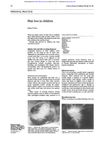
May 1993 in “Archives of Disease in Childhood” Children's hair loss can be caused by many factors, including autoimmune diseases, emotional stress, genetics, and infections, with treatment and prognosis varying.
 1 citations
,
October 2022 in “Cureus”
1 citations
,
October 2022 in “Cureus” Over half of the participants in a Saudi Arabian survey experienced hair loss after COVID-19, affecting women and younger people more, with a small percentage feeling a severe impact on their lives.
Rapid weight loss can cause temporary hair loss, but hair usually grows back.