 13 citations
,
October 2017 in “Bioscience, Biotechnology, and Biochemistry”
13 citations
,
October 2017 in “Bioscience, Biotechnology, and Biochemistry” Centella asiatica extract may help promote hair growth by blocking a specific cell signaling pathway.
 1 citations
,
August 2018 in “bioRxiv (Cold Spring Harbor Laboratory)”
1 citations
,
August 2018 in “bioRxiv (Cold Spring Harbor Laboratory)” A new mutation in the TMEM173 gene and a risk allele in IFIH1 cause a unique set of immune-related symptoms.
31 citations
,
April 2004 in “Journal of Investigative Dermatology” A new mouse gene, Keratin 17n, is mainly found in nail tissue and may explain why mice without Keratin 17 don't have nail issues.
 November 2024 in “Aging Cell”
 Removing senescent cells can improve hair growth and regeneration.
 107 citations
,
August 2012 in “Seminars in Cell & Developmental Biology”
107 citations
,
August 2012 in “Seminars in Cell & Developmental Biology” The document concludes that understanding the sebaceous gland's development and function is key to addressing related skin diseases and aging effects.
3 citations
,
April 2025 in “Science Advances” Loss of Ten1 in mice causes telomere shortening and symptoms similar to human dyskeratosis congenita.
 2 citations
,
May 2023 in “International Journal of Molecular Sciences”
2 citations
,
May 2023 in “International Journal of Molecular Sciences” The TRPV3 ion channel is important for skin and hair health and could be a target for treating skin conditions.
 2 citations
,
October 2018 in “The journal of pediatrics/The Journal of pediatrics”
2 citations
,
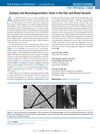
October 2018 in “The journal of pediatrics/The Journal of pediatrics” The document concludes that specific hair and blood vessel abnormalities in infants with seizures and developmental issues may indicate Menkes disease, which lacks a cure and is often fatal by age 3.
 January 2022 in “Journal of St. Marianna University”
 Substances from human hair cells can affect hair loss-related genes, potentially leading to new treatments for baldness.
 6 citations
,
January 2021 in “Annals of Dermatology”
6 citations
,
January 2021 in “Annals of Dermatology” 650 nm red light helps hair grow and prevents hair loss by affecting certain genes and biological processes.
 1 citations
,
May 2023 in “Frontiers in Pharmacology”
1 citations
,
May 2023 in “Frontiers in Pharmacology” Millet seed oil may help hair grow by activating certain cell growth signals.
 1 citations
,
May 2023 in “Frontiers in Endocrinology”
1 citations
,
May 2023 in “Frontiers in Endocrinology” Autism's genetics are linked with early age of puberty and less hair loss, but not with hormone levels or polycystic ovary syndrome.
 January 2025 in “bioRxiv (Cold Spring Harbor Laboratory)”
 Rhamnose may help hair growth and pigmentation, making it a potential treatment for hair loss.
215 citations
,
September 2003 in “Journal of Biological Chemistry” Vitamin D receptor and hairless protein are essential for hair growth.
23 citations
,
October 1996 in “Dermatologic clinics” Genes affect cytokine production, which can influence chronic diseases, and certain interventions may help prevent related molecular damage.
 18 citations
,
February 2012 in “Experimental Dermatology”
18 citations
,
February 2012 in “Experimental Dermatology” No link found between specific genes and female pattern hair loss.
 June 2021 in “bioRxiv (Cold Spring Harbor Laboratory)”
 Gene therapy in mice increased lifespan and improved health without causing cancer.
January 2008 in “HAL (Le Centre pour la Communication Scientifique Directe)” The mutant HR bmh protein affects hair follicle formation by failing to repress vitamin D receptor activity.
November 2025 in “Biomedicine & Pharmacotherapy” Calcium blockers may help prevent hearing loss by protecting hair cells.
 1 citations
,
December 2011
1 citations
,
December 2011 Marine-derived ingredients show potential for hair health but need more human trials to confirm effectiveness.
 27 citations
,
August 2015 in “Experimental Dermatology”
27 citations
,
August 2015 in “Experimental Dermatology” Certain electric currents can promote hair growth by activating specific cell pathways.
1 citations
,
May 2015 in “Experimental Dermatology” Overactive Stat3 in mouse skin causes hair loss and cell structure damage.
 October 2022 in “Frontiers in Genetics”
 The research found new potential mechanisms in mouse hair growth by studying RNA interactions.
 11 citations
,
October 2021 in “Frontiers in Cell and Developmental Biology”
11 citations
,
October 2021 in “Frontiers in Cell and Developmental Biology” Non-coding RNAs are important for hair growth and could lead to new hair loss treatments, but more research is needed.
 3 citations
,
May 2016 in “Dermatology Online Journal”
3 citations
,
May 2016 in “Dermatology Online Journal” Changing estrogen levels during menopause might affect genes related to body rhythms and cause increased hair loss.
Researchers made a mouse model with curly hair and hair loss by editing a gene.
 January 2000 in “BioScience”
 The document concludes that understanding hair biology is key to treating hair disorders, with gene therapy showing potential as a future treatment.
 37 citations
,
April 2010 in “FEBS Letters”
37 citations
,
April 2010 in “FEBS Letters” The study concludes that the EDA2R gene is activated by p53 during chemotherapy but is not necessary for chemotherapy-induced hair loss.
 32 citations
,
February 2024 in “Growth Hormone & IGF Research”
32 citations
,
February 2024 in “Growth Hormone & IGF Research” Dihydrotestosterone (DHT) stops hair growth in mice by lowering a growth factor important for hair.
 5 citations
,
September 2012 in “Springer eBooks”
5 citations
,
September 2012 in “Springer eBooks” Nanoparticles can be used to deliver drugs to hair follicles, potentially improving treatments for conditions like acne and alopecia, and could also be used for vaccine delivery and gene therapy.