 January 2024 in “Dermatologic therapy”
 Fire Needle Therapy may help bring back skin color in vitiligo by affecting cell growth signals.
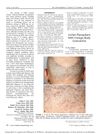
June 2022 in “Our Dermatology Online” Trichoscopy is essential for early detection and monitoring of female-pattern hair loss.
 October 1997 in “Dermatologic Surgery”
 The Epilight Hair Removal System is effective for temporary hair removal with few side effects, but more research is needed to confirm its safety and long-term results.
 5 citations
,
April 2014 in “The American Journal of Dermatopathology”
5 citations
,
April 2014 in “The American Journal of Dermatopathology” Foreign-body granuloma may be a marker for late-stage Lichen Planopilaris and should be considered in diagnosis.
 185 citations
,
February 2018 in “Journal of Investigative Dermatology”
185 citations
,
February 2018 in “Journal of Investigative Dermatology” Melatonin may benefit skin health and could be a promising treatment in dermatology.
 165 citations
,
December 2002 in “Molecular and Cellular Endocrinology”
165 citations
,
December 2002 in “Molecular and Cellular Endocrinology” Male hormones, particularly DHT, are linked to male pattern hair loss, and treatments like finasteride can help, but they don't work for postmenopausal women's hair loss, which may have different causes.
 74 citations
,
March 1963 in “Archives of Dermatology”
74 citations
,
March 1963 in “Archives of Dermatology” Triparanol therapy can cause hair loss and skin dryness without inflammation or damage to hair follicles or skin structures.
 12 citations
,
June 2003 in “Journal of the European Academy of Dermatology and Venereology”
12 citations
,
June 2003 in “Journal of the European Academy of Dermatology and Venereology” Some psychoactive drugs can cause skin reactions, with carbamazepine having a higher risk, and stopping the drug and seeing a dermatologist is important.
 8 citations
,
April 2015 in “Advances in Psychosomatic Medicine”
8 citations
,
April 2015 in “Advances in Psychosomatic Medicine” Psychotropic medications can cause skin problems but also treat some skin conditions.

A woman successfully sued for not being told about a medication's side effects, emphasizing doctors' duty to inform patients.
29 citations
,
June 1998 in “Developmental Biology” More melanoblasts in hair follicles mean better survival and proper hair pigmentation.
 93 citations
,
October 2006 in “The International Journal of Biochemistry & Cell Biology”
93 citations
,
October 2006 in “The International Journal of Biochemistry & Cell Biology” Melanocytes are crucial for skin pigmentation and can affect conditions like melanoma, vitiligo, and albinism, as well as hair color and hearing.
24 citations
,
September 2014 in “PloS one” Thyroid hormone receptors are essential for hair growth and wound healing.
 2 citations
,
June 2024 in “Archives of Dermatological Research”
2 citations
,
June 2024 in “Archives of Dermatological Research” Combining FCS and MPG is more effective for treating stable vitiligo than using either alone.
 59 citations
,
April 2016 in “Cell Reports”
59 citations
,
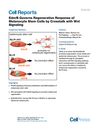
April 2016 in “Cell Reports” EdnrB signaling helps melanocyte stem cells regenerate and could be targeted to treat pigmentation issues.
 506 citations
,
January 2012 in “Molecular and Cellular Endocrinology”
506 citations
,
January 2012 in “Molecular and Cellular Endocrinology” Melatonin affects many body functions beyond sleep by interacting with specific receptors in various tissues.
 277 citations
,
July 2011 in “Journal of the Dermatology Nurses’ Association”
277 citations
,
July 2011 in “Journal of the Dermatology Nurses’ Association” The skin's layers protect, sense, and regulate the body's internal balance, but can be prone to cancer.
 252 citations
,
January 2008 in “Trends in Endocrinology and Metabolism”
252 citations
,
January 2008 in “Trends in Endocrinology and Metabolism” Melatonin in the skin helps protect against damage from stress and UV rays, and could be used to treat certain skin conditions.
170 citations
,
January 2010 in “animal” Hair follicle growth and fiber production in animals are influenced by chemical signals, proteins, pigmentation, genetics, and nutrients.
 127 citations
,
January 2015 in “Journal of Biological Rhythms”
127 citations
,
January 2015 in “Journal of Biological Rhythms” The skin's internal clock affects healing, cancer risk, aging, immunity, and hair growth, and disruptions can harm skin health.
 96 citations
,
January 1997 in “Clinics in Dermatology”
96 citations
,
January 1997 in “Clinics in Dermatology” Pregnancy can cause skin pigmentation, stretch marks, and changes in hair, nails, and sweat glands, with most resolving after birth.
89 citations
,
March 1990 in “PubMed” Shaving is the most effective temporary hair removal method for facial hirsutism.
31 citations
,
November 2015 in “PloS one” Reducing Tyrosinase prevents mature color pigment cells from forming in mouse hair.
 21 citations
,
November 2011 in “Veterinary Pathology”
21 citations
,
November 2011 in “Veterinary Pathology” Mouse skin color ranges from pink to black, depending on their hair growth cycle.
 19 citations
,
May 2005 in “Archives of Environmental & Occupational Health”
19 citations
,
May 2005 in “Archives of Environmental & Occupational Health” All immigrant workers in the study had skin problems, with fungal nail infections, athlete's foot, and acne or folliculitis being most common, affecting their quality of life, yet they didn't seek medical help.
 18 citations
,
January 2020 in “Ecology and evolution”
18 citations
,
January 2020 in “Ecology and evolution” Genes related to pigmentation, body rhythms, and behavior change during hares' seasonal coat color transition, with a common genetic mechanism in two hare species.
 17 citations
,
December 2015 in “International Journal of Cosmetic Science”
17 citations
,
December 2015 in “International Journal of Cosmetic Science” Visible light can improve skin disorders and hair loss, but more research is needed to understand long-term effects.
 13 citations
,
September 2017 in “Oncotarget”
13 citations
,
September 2017 in “Oncotarget” A certain signaling pathway in mice, when increased, causes hair to gray by depleting the cells that give hair its color.
 9 citations
,
May 2013 in “JAMA Dermatology”
9 citations
,
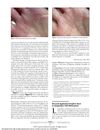
May 2013 in “JAMA Dermatology” Sunlight exposure improved a patient's skin condition, and there may be a link between a certain disease and skin growths; a leukemia treatment caused changes in hair color and growth.
7 citations
,
June 2012 in “Journal of dairy science” Bovine milk fats applied to mouse skin can promote hair growth similar to known hair growth treatments.