November 2025 in “Phytomedicine” L-rhamnose may promote hair growth by boosting energy production in cells.
 August 2025 in “Macromolecular Bioscience”
 Microneedles with minoxidil and nitric oxide improve hair growth effectively and painlessly.
July 2025 in “Materials Today Bio” TFC-loaded microneedles effectively promote hair regrowth in androgenetic alopecia.
July 2025 in “Journal of Investigative Dermatology” Laser treatment boosts hair growth by activating a key growth factor.
July 2025 in “International Journal of Pharmacy and Pharmaceutical Science” The herbal hair gel mask made from flaxseed, fenugreek, and rice water is safe, effective, and promotes healthy hair and scalp.
 May 2025 in “Science Advances”
 PIEZO1 helps keep hair follicle stem cells inactive, affecting hair growth.
 May 2025 in “Journal of Neonatal Surgery”
 Plant growth factors can help regrow hair in androgenic alopecia.
 May 2025 in “Journal of Extracellular Vesicles”
 Erythrocyte extracellular vesicles help hair growth and skin health.
May 2025 in “Experimental Dermatology” A new genetic tool improves the study of hair growth and potential hair disorder treatments.
 March 2025 in “Molecular Medicine”
 Cholesterol helps hair grow by activating nerves and boosting hair follicle stem cells.
 February 2025 in “Biomolecules”
 Melatonin can help or hinder hair growth depending on the dose.
 January 2025 in “bioRxiv (Cold Spring Harbor Laboratory)”
 Rhamnose may help hair growth and pigmentation, making it a potential treatment for hair loss.
 January 2025 in “ACS Applied Materials & Interfaces”
 Nanoparticles with specific drugs can help regrow hair in alopecia areata.
January 2025 in “Regenerative Biomaterials” Curcumin-primed milk vesicles may help treat hair loss by promoting hair growth.
A new treatment using conjugated linoleic acid nanovesicles can rejuvenate hair follicles and improve hair growth in androgenic alopecia.
 November 2024 in “Stem Cell Research & Therapy”
 Stem cells from umbilical cords can help regrow hair in mice with hair loss.
 August 2024 in “International Journal of Dermatology”
 Exosomes show promise for treating hair loss and need more research.
 July 2024 in “Journal of Investigative Dermatology”
 A single medium, PRIME AIRLIFT, supports better human hair follicle formation in grafts.
July 2024 in “Journal of Investigative Dermatology” Taxane chemotherapy can cause permanent hair loss by damaging hair follicles and altering their DNA.
 July 2024 in “Pharmaceutics”
 The new hydrogel treatment promotes faster hair growth and better skin health for hair loss.
 April 2024 in “JEADV. Journal of the European Academy of Dermatology and Venereology/Journal of the European Academy of Dermatology and Venereology”
 Retinoic acid helps activate hair growth in people with common hair loss by working on a specific cell growth pathway.
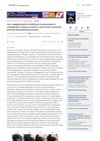 February 2024 in “Journal of Cosmetic Dermatology”
 White hair patch repigmented and hair regrew in a balding patient after treatment with exosomes and laser.
 February 2024 in “Frontiers in physiology”
 Modifying certain signals in the body can help wounds heal without scars and regrow hair.
 January 2024 in “ACS Biomaterials Science & Engineering”
 A new method using a microfluidic device can prepare hair follicle germs efficiently for potential use in hair loss treatments.
 January 2024 in “Journal of tissue engineering”
 Sunlight exposure damages hair follicles, but certain stem cell-derived particles can reduce this damage and help with hair regeneration.
 November 2023 in “npj regenerative medicine”
 Skin spheroids with both outer and inner layers are key for regrowing skin patterns and hair.
 November 2023 in “Frontiers in cell and developmental biology”
 Hair aging is caused by stress, hormones, inflammation, and DNA damage affecting hair growth and color.
 October 2023 in “European Journal of Dermatology”
 Combining hair transplantation with platelet-rich plasma is more effective for treating hair loss from androgenic alopecia than transplantation alone.
August 2023 in “Journal of Investigative Dermatology” Skin organoids can regenerate hair by forming specific cell units with certain signals.
 August 2023 in “Journal of Cosmetic Dermatology”
 Exosomes from hair papilla cells and the Chinese medicine Liao Tuo Fang can potentially promote hair growth and could be used to develop hair growth drugs.