104 citations
,
July 1994 in “The Journal of Cell Biology” Basonuclin helps keratinocytes multiply and prevents them from fully maturing.
31 citations
,
August 2018 in “Journal of biomedical nanotechnology” Licorice root-derived nanoparticles target liver cancer cells to improve treatment and reduce side effects.
135 citations
,
October 1997 in “Journal of biological chemistry/The Journal of biological chemistry” Trichohyalin is modified by enzymes to form strong structures in hair cells.
82 citations
,
April 2014 in “Plant Cell & Environment” Magnesium levels control root hair growth in plants.
Suppressing ODC activity reduces tumor growth in hair follicles.
November 2025 in “Biomedicines” Targeting pyroptosis may offer new treatments for alopecia areata, but more research is needed.
2 citations
,
June 2001 in “Medical Electron Microscopy” Trichilemmal cysts may form from hair follicle outer root sheath growth.
121 citations
,
December 2001 in “American Journal of Dermatopathology” TB and BCC tumors show similar follicular differentiation patterns.
59 citations
,
October 2017 in “Proceedings of the National Academy of Sciences” ZIP10 is crucial for skin development and maintaining healthy skin.
38 citations
,
November 1991 in “Archiv für Pathologische Anatomie und Physiologie und für Klinische Medicin” Keratins 8 and 14 can help identify and diagnose benign skin tumors.
18 citations
,
December 1992 in “Journal of Cutaneous Pathology” Skin tumors and normal skin structures have different lectin-binding patterns.
2 citations
,
February 2025 in “Free Radical Biology and Medicine” Blocking S100A8 can reduce chemotherapy-induced hair loss.
November 2022 in “Journal of Investigative Dermatology” Statins may help treat alopecia areata by reducing harmful immune interactions.
Sox13 is a marker for early hair follicle development but not essential for skin and hair growth.
 January 2006 in “Carl von Ossiezky University of Oldenburg”
 Unpigmented keratinocytes absorb substances faster, while melanocytes bind more strongly to melanin.
January 2012 in “대한미용학회지” Hair follicle stem cells can be cultured, but improvements are needed for longer growth.
6 citations
,
June 2023 in “Experimental Dermatology” Targeting mitophagy may help treat alopecia areata by reducing inflammasome activation.
39 citations
,
November 2007 in “Journal of Histochemistry & Cytochemistry” NG2 is crucial for normal skin and hair development in mice.
 1 citations
,
February 2009 in “Journal of Investigative Dermatology”
1 citations
,
February 2009 in “Journal of Investigative Dermatology” Lipase H is important for hair follicle function and shaping hair fibers.
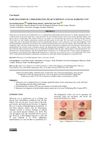 March 2022 in “Folia Medica Indonesiana”
 The lump on a woman's scalp was a rare, potentially cancerous tumor from the hair follicle, not a common cyst.
Adenosine and caffeine can promote hair growth.
68 citations
,
December 1983 in “British Journal of Dermatology” Major histocompatibility antigens are found in specific skin cells and structures, but not in sweat glands.
14 citations
,
October 2006 in “Journal of Investigative Dermatology” The keratin naming system was updated to include 54 genes, especially for hair-related keratins.
4 citations
,
January 2017 in “Journal of veterinary medical science” A dog had a rare skin tumor called desmoplastic tricholemmoma.
 January 2026 in “International Journal of Research and Innovation in Applied Science”
 Recognizing specific markers is crucial for correctly diagnosing and treating rare multifocal MPTT in males.
Basal cell carcinoma behaves like hair follicles and targeting specific pathways may help treat it.
May 2002 in “Journal of Investigative Dermatology” New findings on hair keratin, wound healing, and skin blistering were presented.
December 1990 in “PubMed” Different glycoconjugates are present in the outer and inner root sheaths of human hair follicles.
17 citations
,
November 1967 in “American Journal of Anatomy” Hairless mice have longer hair follicles and abnormal structures during the catagen phase.
 70 citations
,
November 1984 in “Cell & tissue research/Cell and tissue research”
70 citations
,
November 1984 in “Cell & tissue research/Cell and tissue research” Vitamin D3 affects cell differentiation in specific skin areas.