July 2020 in “Hair transplant forum international” Placing hair grafts in the scar is the best way to fix widened FUT donor scars.
35 citations
,
January 2022 in “Clinical Infectious Diseases” Healthcare workers with COVID-19 reported more long-term symptoms, and physical activity may help reduce some of these symptoms.
 35 citations
,
November 2020 in “Dermatologic Therapy”
35 citations
,
November 2020 in “Dermatologic Therapy” Severe COVID-19 may cause hair loss, and doctors recommend supplements and topical treatments to manage it.
 14 citations
,
April 2021 in “Clinical, Cosmetic and Investigational Dermatology”
14 citations
,
April 2021 in “Clinical, Cosmetic and Investigational Dermatology” COVID-19 may trigger sudden temporary hair loss.
 8 citations
,
October 2021 in “bioRxiv (Cold Spring Harbor Laboratory)”
8 citations
,
October 2021 in “bioRxiv (Cold Spring Harbor Laboratory)” Healthcare workers with a positive COVID-19 test were more likely to report long-COVID symptoms.
 7 citations
,
May 2022 in “The Journal of Dermatology”
7 citations
,
May 2022 in “The Journal of Dermatology” Hair loss is a frequent long-term effect of COVID-19, and oral minoxidil is the most common effective treatment.
3 citations
,
February 2023 in “Frontiers in Immunology” The IGRA test effectively detects past SARS-CoV-2 exposure, especially using nucleocapsid peptides.
 3 citations
,
April 2021 in “Revista da Sociedade Portuguesa de Dermatologia e Venereologia”
3 citations
,
April 2021 in “Revista da Sociedade Portuguesa de Dermatologia e Venereologia” Some people who got COVID-19 experienced temporary hair loss starting around 10 weeks after infection, with many seeing improvement within about 25 days.
 June 2022 in “Al-Azhar International Medical Journal /Al-Azhar International Medical Journal”
 Adding nano fat to hair transplants improves results for scar-related hair loss.
 May 2007 in “Faculty Opinions – Post-Publication Peer Review of the Biomedical Literature”
 Hair can regrow in adult mice's skin after injury, and this process can be boosted by increasing Wnt7a, a protein. This could potentially help treat baldness and change our understanding of hair growth.
 May 2007 in “Faculty Opinions – Post-Publication Peer Review of the Biomedical Literature”
 Hair can regrow in adult mice's skin after injury, and this regrowth doesn't come from existing hair cells but from skin cells in the wound, with Wnt7a protein helping this process. This could help treat baldness and scarring.
 145 citations
,
November 2018 in “Nature Communications”
145 citations
,
November 2018 in “Nature Communications” The Sonic hedgehog pathway is crucial for new hair growth during mouse skin healing.
89 citations
,
March 1990 in “PubMed” Shaving is the most effective temporary hair removal method for facial hirsutism.
 51 citations
,
November 2020 in “Journal of the European Academy of Dermatology and Venereology”
51 citations
,
November 2020 in “Journal of the European Academy of Dermatology and Venereology” COVID-19 infection may cause significant hair loss, but full hair recovery is likely without special treatment.
 51 citations
,
January 2004 in “Skin Pharmacology and Physiology”
51 citations
,
January 2004 in “Skin Pharmacology and Physiology” The document explains hair growth and shedding, factors affecting it, and methods to evaluate hair loss, emphasizing the importance of skin biopsy for diagnosis.
 42 citations
,
November 2004 in “Paediatric Respiratory Reviews”
42 citations
,
November 2004 in “Paediatric Respiratory Reviews” Children generally have milder SARS symptoms than adults, with good outcomes and no deaths reported, but long-term effects are unclear.
 32 citations
,
March 2021 in “Journal of cosmetic dermatology (Print)”
32 citations
,
March 2021 in “Journal of cosmetic dermatology (Print)” COVID-19 infection may trigger alopecia areata in some patients.
 17 citations
,
December 2010 in “Journal of Investigative Dermatology”
17 citations
,
December 2010 in “Journal of Investigative Dermatology” Flightless I protein affects hair growth, with low levels delaying it and high levels increasing hair length in rodents.
 13 citations
,
January 2021 in “Histochemistry and Cell Biology”
13 citations
,
January 2021 in “Histochemistry and Cell Biology” Cholesterol transport in hair follicles decreases from growth to regression phase.
11 citations
,
January 1988 in “PubMed” Epidermal cell extracts improve skin healing and reduce scarring.
 10 citations
,
September 2022 in “Psychiatry and Clinical Neurosciences”
10 citations
,
September 2022 in “Psychiatry and Clinical Neurosciences” Long COVID affects over half of COVID-19 survivors, causing a range of symptoms like fatigue and neurological issues, with no specific treatment yet.
 8 citations
,
October 2021 in “Indian Journal of Plastic Surgery”
8 citations
,
October 2021 in “Indian Journal of Plastic Surgery” COVID-19 may cause increased and quicker hair loss compared to other infections.
 8 citations
,
January 1986 in “The Journal of Dermatologic Surgery and Oncology”
8 citations
,
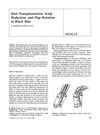
January 1986 in “The Journal of Dermatologic Surgery and Oncology” Hair loss surgeries like grafts, scalp reductions, and flap rotations can be effective for black men with proper technique adjustments.
6 citations
,
October 2024 in “BMC Infectious Diseases” Vaccination reduces COVID-19 severity, and some symptoms like hair loss can persist for a year.
 4 citations
,
December 2023 in “Research Review”
4 citations
,
December 2023 in “Research Review” 77% of recovered COVID-19 patients in Nepal experienced long-term symptoms like fatigue, hair loss, and breathing issues.
4 citations
,
June 2022 in “Journal of food bioactives” Eating plant-based anti-inflammatories and antioxidants may help manage long-term COVID-19 health issues.
 4 citations
,
April 2022 in “International Journal of Biological Macromolecules”
4 citations
,
April 2022 in “International Journal of Biological Macromolecules” The mix of bacterial cellulose and soybean protein helps wounds heal faster, regrow hair, and reduces scarring and inflammation.
 4 citations
,
March 2021 in “International Journal of Dermatology”
4 citations
,
March 2021 in “International Journal of Dermatology” COVID-19 and related stress may increase hair loss known as Telogen effluvium.
4 citations
,
July 2015 in “Clinical, cosmetic and investigational dermatology” The shampoo is very effective and safe for use after hair transplants.
 2 citations
,
July 2023 in “Life”
2 citations
,
July 2023 in “Life” COVID-19 can cause temporary hair loss, which is commonly reversible with treatment.