 June 2025 in “International Journal of Science and Research (IJSR)”
 Low iron and vitamin D are common in young females with hair loss.
Iron levels affect sleep apnea severity in people with hair loss, especially women.
 April 2022 in “Research Square (Research Square)”
 Iron deficiency is linked to a common type of hair loss called telogen effluvium.
January 2015 in “Spectrum Research Repository (Concordia University)” Porcine PRP can replace FBS and may promote hair growth.
13 citations
,
January 1993 in “Archives of dermatological research” Human hair follicles can grow and stay healthy for up to 8 days in a lab setting.
 7 citations
,
February 2022 in “Journal of Cosmetic Dermatology”
7 citations
,
February 2022 in “Journal of Cosmetic Dermatology” Injecting vitamin D3 into the skin is an effective treatment for patchy hair loss.
7 citations
,
January 2018 in “PubMed” Low levels of iron, copper, and calcium may cause early hair graying.
7 citations
,
August 1985 in “British journal of dermatology/British journal of dermatology, Supplement” Medroxyprogesterone acetate injections are more effective than topical ointment in treating excessive hair growth in women.
 1 citations
,
March 2020 in “International journal of reproduction, contraception, obstetrics and gynecology”
1 citations
,
March 2020 in “International journal of reproduction, contraception, obstetrics and gynecology” The study concluded that the most common skin problems in women with PCOS are excess hair, acne, oily skin, hair loss, dark skin patches, and skin tags.

Problems with arginine processing in hair follicles might contribute to common hair loss, and arginine supplements could help treat it.
January 2002 in “NCSU Libraries Repository (North Carolina State University Libraries)” 17b-Estradiol in skin affects hair growth and tumor promotion.
 April 2024 in “Benha Medical Journal”
 H. pylori infection may be linked to the hair shedding condition Telogen Effluvium.
 November 2022 in “The Journal of Clinical Endocrinology and Metabolism”
 Postmenopausal hyperandrogenism, a condition with symptoms like increased hair growth and acne, is usually caused by PCOS but can also be due to other factors. It's diagnosed by checking testosterone levels and treated either by removing the adrenal tumor or through antiandrogen therapy.
 September 2010 in “European Urology Supplements”
 Higher urethral PSA levels after prostate removal surgery may be linked to more hair loss and higher PSA levels post-surgery.
6 citations
,
April 1993 in “Journal of Dermatological Science” Certain substances can strongly inhibit DNA synthesis in hair cells.

Maintaining enough zinc may help prevent and manage hair loss.
 195 citations
,
February 2007 in “The Journal of Clinical Endocrinology and Metabolism”
195 citations
,
February 2007 in “The Journal of Clinical Endocrinology and Metabolism” Dutasteride and finasteride may reduce sperm count and volume but don't affect movement or shape; effects are reversible after stopping.
 122 citations
,
July 2005 in “The FASEB journal”
122 citations
,
July 2005 in “The FASEB journal” Hair follicles produce and respond to melatonin, affecting hair growth and sensitivity to estrogen.
45 citations
,
January 1977 in “Advances in experimental medicine and biology” Hair follicles have an enzyme that converts arginine to citrulline in proteins.
 38 citations
,
June 2003 in “Journal of Investigative Dermatology Symposium Proceedings”
38 citations
,
June 2003 in “Journal of Investigative Dermatology Symposium Proceedings” Finasteride effectively improves hair growth and slows hair loss in men with male pattern baldness.
 19 citations
,
December 2006 in “Archives of dermatology”
19 citations
,
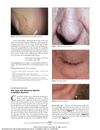
December 2006 in “Archives of dermatology” Hair casts and cutaneous spicules can be signs of multiple myeloma.
17 citations
,
May 1995 in “Anatomy and Embryology” Injecting 6-OHDA in newborn mice delays hair growth and thins skin.
 17 citations
,
April 2010 in “Archives of Gynecology and Obstetrics”
17 citations
,
April 2010 in “Archives of Gynecology and Obstetrics” Obese women had more testosterone and less acne, but similar hair growth compared to non-obese women.
14 citations
,
December 2021 in “International journal of molecular sciences” Growth hormone levels affect hair growth and loss, with too much causing excess hair and too little leading to hair loss.
8 citations
,
November 1978 in “British journal of dermatology/British journal of dermatology, Supplement” Cyproterone acetate can effectively treat idiopathic hirsutism, but ethinyl oestradiol and lynoestrenol may not always reduce hair growth.
7 citations
,
October 2011 in “Faṣlnāmah-i bīmārīhā-yi pūst” Iron and ferritin levels don't affect alopecia areata.
Adequate vitamin D might lower, and high hair chromium might increase DNA damage in obese women.
1 citations
,
January 2021 in “Processes” Researchers successfully grew horse skin cells that produce pigment from hair follicle samples.
 1 citations
,
January 2022 in “Journal of Cosmetic Dermatology”
1 citations
,
January 2022 in “Journal of Cosmetic Dermatology” Taking oral vitamin D and applying topical minoxidil together can better treat female pattern hair loss than using either treatment alone.
 June 2025 in “Journal of Cosmetic Dermatology”
 Dutasteride 0.5 mg/day is the most effective treatment for male pattern hair loss.