April 2021 in “Journal of Investigative Dermatology” Krox20 is crucial for hair growth and maintaining skin stem cells.
 March 2021 in “CRC Press eBooks”
 The document concludes that different patterns of hair thickness and scalp changes can help diagnose types of non-scarring hair loss.
January 2020 in “International journal of scientific research” Dermoscopy shows that varying hair shaft thickness and single hair follicles are main signs of male pattern baldness, especially in the fronto-temporal region.
Mutations in the PADI3 gene may cause central centrifugal cicatricial alopecia in women of African ancestry.
September 2019 in “Journal of Investigative Dermatology” CCCA in women of African ancestry may be caused by PADI3 gene mutations and intense hair grooming.
January 2019 in “Advances in stem cells and their niches” Krox20 is important for cell differentiation in the brain and hair follicles.
Sheep can lose wool quickly due to stress, but it doesn't cause itching or pain.
January 2018 in “Indian Dermatology Online Journal” A child with Olmsted syndrome showed mild improvement in hair and skin issues with treatment.
September 2017 in “The journal of investigative dermatology. Symposium proceedings/The Journal of investigative dermatology symposium proceedings” CCCA and lichen planopilaris have similar histological features, making them hard to distinguish.
Dermoscopy is useful for diagnosing hair loss patterns in dogs.
 August 2016 in “Journal of Dermatology”
 A chemical called 5-Bromo-2′-deoxyuridine caused rapid hair loss in mice by killing certain skin cells through a specific cell death pathway.
 April 2016 in “Journal of The American Academy of Dermatology”
 Low-cost videomicroscopes might not be reliable for examining scalp disorders compared to standard methods.
 April 2016 in “Journal of The American Academy of Dermatology”
 Low-cost videomicroscopes may not be reliable for diagnosing scalp disorders, smartphones could be reasonable for teledermatology, and U.S. residency programs need more teledermatology training.
 April 2016 in “Journal of The American Academy of Dermatology”
 Low-cost videomicroscopy may not be reliable for diagnosing hair loss compared to standard videodermatoscopy.
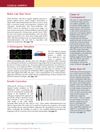 January 2016 in “Journal of Investigative Dermatology”
 Some cells may slow melanoma growth, a protein could affect skin pigmentation, a gene-silencing method might treat hair defects, skin bacteria changes likely result from eczema, and a defensin protein could help treat multiple sclerosis.
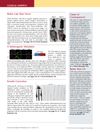 January 2016 in “Experimental Dermatology”
 New findings suggest potential treatments for melanoma, hyperpigmentation, hair defects, and multiple sclerosis, and show skin microbiome changes don't cause atopic dermatitis.
 January 2016 in “Elsevier eBooks”
 Trichoscopy is a key method for dermatologists to quickly and effectively diagnose hair and scalp conditions.
Effective management of alopecia in African Americans involves prevention, antibiotics, and anti-inflammatory treatments.
January 2015 in “Nasza Dermatologia Online” Monilethrix causes fragile, patchy hair loss.
 July 2014 in “Journal of the Portuguese Society of Dermatology and Venereology”
 Trichoscopy is useful for diagnosing and monitoring hair and scalp conditions.
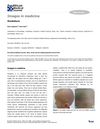 January 2013 in “The Pan African medical journal”
 Monilethrix causes short, fragile hair with no specific treatment available.
October 2012 in “Journal of Dermatological Science” Erythropoietin can promote hair growth by increasing IGF-1 in hair cells.
 April 2012 in “Journal of the American Academy of Dermatology”
 Dermoscopy can help diagnose tinea capitis in children by looking for comma hairs, black dots, and broken hairs with white bands.
 April 2012 in “Informa Healthcare eBooks”
 The document concludes that diagnosing hair loss requires evaluating multiple histological features, as no single feature is definitive on its own.
Recognizing bamboo hair helps diagnose Netherton’s syndrome.
 June 2008 in “British Journal of Dermatology”
 Herpes gestationis is linked to certain antigens, atopic eczema affects T cell populations and may be eased by breastfeeding, higher doses of anti-androgen treatment can improve androgenic alopecia, topical minoxidil increases hair thickness, long-term methotrexate therapy can cause liver fibrosis in psoriasis patients, and Lichen Sclerosus et Atrophicus patients aren't at higher risk for autoimmune disorders.
 January 2007 in “Más dermatología”
 Gentle hair care and some medications can help manage hair shaft disorders, but no specific treatment exists for congenital issues.
Acitretin improved monilethrix symptoms temporarily, but they returned after stopping treatment.
September 2004 in “Fertility and Sterility” Norplant implants lower some androgen levels but don't significantly change sexual function.
 October 1996 in “Dermatologic Clinics”
 Research on hair disorders has advanced, with promising future progress in understanding and treating these conditions.