 2 citations
,
March 2021 in “bioRxiv (Cold Spring Harbor Laboratory)”
2 citations
,
March 2021 in “bioRxiv (Cold Spring Harbor Laboratory)” Hairless mammals have genetic changes in both their protein-coding and regulatory sequences related to hair.
Hairlessness in mammals is due to complex genetic changes in both genes and regulatory regions.
 23 citations
,
March 2001 in “Clinics in dermatology”
23 citations
,
March 2001 in “Clinics in dermatology” Alopecia areata involves immune response and gene changes affecting hair loss.
 13 citations
,
July 2004 in “Skinmed”
13 citations
,
July 2004 in “Skinmed” Common types of non-scarring hair loss have various causes and treatments, but more effective solutions are needed.
 30 citations
,
April 2017 in “Journal of structural biology”
30 citations
,
April 2017 in “Journal of structural biology” Human hair keratin fibers have a detailed nano-scale structure that changes with different conditions.
8 citations
,
January 2020 in “PeerJ” Alopecia Areata causes significant structural and compositional changes in hair.
 January 1994 in “Nihon Chikusan Gakkaiho”
 Collagen fibrils in mink skin change structure during hair growth, becoming looser and thicker in the active phase.
 18 citations
,
January 2008 in “Sen'i Gakkaishi”
18 citations
,
January 2008 in “Sen'i Gakkaishi” Thioglycolic acid and L-cysteine change hair structure differently during perms, affecting hair strength and curling efficiency.
 January 2017 in “Nihon Keshouhin Gijutsushakaishi/Journal of S C C./Nihon Keshouhin Gijutsushakai kaishi”
 Sunlight and chemical treatments change hair's internal structure differently, needing specific care.
42 citations
,
January 2005 in “Applied spectroscopy” Hair from breast cancer patients shows changes in structure and composition, and a test using these changes detected cancer but also falsely identified some healthy samples as cancerous.
1 citations
,
September 2024 in “International Journal of Cosmetic Science” Bleaching hair increases pore size and changes pore structure.
January 2004 in “Chinese Journal of Dermatology” Injecting specific oligonucleotides can change hair growth and structure by altering a gene.
18 citations
,
January 2018 in “Advances in experimental medicine and biology” Hair keratins evolved from ancient proteins, diversifying through gene changes, crucial for forming claws and later hair in mammals.
13 citations
,
March 2020 in “Spectrochimica Acta Part A Molecular and Biomolecular Spectroscopy” Alopecic hair has more irregular structures and chemical changes than normal hair, reducing its strength.
3 citations
,
October 2006 in “Journal of dermatology” X-ray microscopy can non-invasively show hair structure changes after treatments, but it's less detailed than TEM and needs improvement.
 20 citations
,
November 1968 in “The Lancet”
20 citations
,
November 1968 in “The Lancet” Potassium levels affect blood sugar and insulin during dialysis, and malnutrition changes children's hair roots.
 February 2026 in “American Scientific Research Journal for Engineering, Technology, and Sciences (Global Society of Scientific Research and Researchers)”
 Gray hair requires special coloring techniques and care to maintain quality and strength.
 1 citations
,
May 2023 in “Frontiers in medicine”
1 citations
,
May 2023 in “Frontiers in medicine” Hair dyes and perms can damage hair and scalp, but using interventions can reduce harm.
 96 citations
,
January 1997 in “Clinics in Dermatology”
96 citations
,
January 1997 in “Clinics in Dermatology” Pregnancy can cause skin pigmentation, stretch marks, and changes in hair, nails, and sweat glands, with most resolving after birth.
4 citations
,
July 2024 in “BMC Zoology” Dromedary camel hair structure and mineral content change with age.
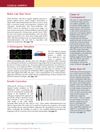 January 2016 in “Journal of Investigative Dermatology”
 Some cells may slow melanoma growth, a protein could affect skin pigmentation, a gene-silencing method might treat hair defects, skin bacteria changes likely result from eczema, and a defensin protein could help treat multiple sclerosis.
9 citations
,
September 2022 in “Frontiers in Physics” The technique accurately identifies and evaluates hair follicle structures in skin.
 11 citations
,
January 2004 in “Exogenous dermatology”
11 citations
,
January 2004 in “Exogenous dermatology” Outside factors like grooming, chemicals, and the environment can damage hair and cause disorders.
January 2019 in “Durham e-Theses (Durham University)” Less stiff collagen promotes higher cell growth in hair follicles.
32 citations
,
April 2001 in “Experimental Eye Research” Zinc is essential for healthy optic nerves, and its deficiency can damage them.
77 citations
,
April 1968 in “Development” Excess vitamin A can cause hair follicles to change into gland-like structures.
4 citations
,
November 2024 in “Anais Brasileiros de Dermatologia” Various factors like genetics, pollution, and lifestyle choices can damage hair over time.
March 2026 in “Journal of the mechanical behavior of biomedical materials/Journal of mechanical behavior of biomedical materials” Hair cuticles remain stable and resilient under stress due to strong protein content and crosslinking.
 April 2024 in “bioRxiv (Cold Spring Harbor Laboratory)”
 GRK2 is essential for healthy hair follicle function, and its absence can lead to hair loss and cysts.
 June 2017 in “University of the Arts London Research Online (University of the Arts London)”
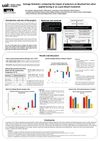
 Polymers help reduce damage and improve bleached hair when used during or after bleaching.