1 citations
,
January 2021 in “SSRN Electronic Journal” Nanomaterials can make hair care products work better and safer.
1 citations
,
January 2004 in “Adelaide Research & Scholarship (AR&S) (University of Adelaide)” SPARC likely aids in tissue remodeling during the hair cycle, not in starting new hair growth phases.
 May 2026 in “Frontiers in Cell and Developmental Biology”
 Collagen networks play a key role in hair loss and follicle miniaturization.
 November 2023 in “Journal of the Taiwan Institute of Chemical Engineers”
 Scientists made nanoparticles from human hair proteins to improve drug delivery.
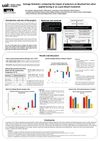 June 2017 in “University of the Arts London Research Online (University of the Arts London)”
 Polymers help reduce damage and improve bleached hair when used during or after bleaching.
 March 2015 in “Plastic and reconstructive surgery”
 Human skin has multiple layers and functions, with key roles in protection, temperature control, and appearance.
A new method was developed to gently isolate hair pigment while keeping its structure intact.
 July 2020 in “bioRxiv (Cold Spring Harbor Laboratory)”
 The structure of SRD5A reveals how it reduces steroids, aiding drug design for related health conditions.

New imaging tools help doctors better examine hair and scalp health without surgery.
September 2009 in “MedEdPORTAL” The structured oral exam format is effective and well-received for teaching internal medicine.
 September 2002 in “Dermatologic Surgery”
 The recipient site can affect the growth and survival of transplanted hair but not its thickness.
38 citations
,
October 2001 in “British Journal of Dermatology” Keratin K6irs is a marker for the inner root sheath of hair follicles in mice and humans.
 43 citations
,
December 2013 in “Seminars in Cell & Developmental Biology”
43 citations
,
December 2013 in “Seminars in Cell & Developmental Biology” Genetic mutations can cause hair growth disorders by affecting key genes and signaling pathways.
35 citations
,
May 2011 in “Experimental Dermatology” Aging causes changes in hair follicles, leading to weaker hair growth.
30 citations
,
August 2008 in “The journal of investigative dermatology/Journal of investigative dermatology” TGase 3 helps build hair structure by forming strong bonds between proteins.
 20 citations
,
June 2012 in “British Journal of Dermatology”
20 citations
,
June 2012 in “British Journal of Dermatology” Bleaching hair damages protein structure, especially keratin, leading to weakened hair.
13 citations
,
February 2019 in “Zoology” Lustre mutant sheep have normal hair structure and proteins but differ in felting properties.
13 citations
,
January 1993 in “Archives of dermatological research” Human hair follicles can grow and stay healthy for up to 8 days in a lab setting.
 7 citations
,
November 2014 in “Histochemistry and Cell Biology”
7 citations
,
November 2014 in “Histochemistry and Cell Biology” The we/we wal/wal mice have defects in hair growth and skin layer formation, causing hair loss, useful for understanding alopecia.
 6 citations
,
June 2013 in “British Journal of Dermatology”
6 citations
,
June 2013 in “British Journal of Dermatology” Intense pulsed light treatment mainly damages pigmented hair parts but spares stem cells, allowing hair to regrow.
 6 citations
,
January 2009 in “Elsevier eBooks”
6 citations
,
January 2009 in “Elsevier eBooks” The skin has multiple layers and cells, serves as a protective barrier, helps regulate temperature, enables sensation, affects appearance, and is involved in vitamin D synthesis.
 January 2014 in “Journal of the Korean Society of Design Culture”
 The study confirmed that changes in hair structure in women with hair loss conditions matched what is taught in beauty college trichology courses.
 106 citations
,
June 2005 in “Journal of Investigative Dermatology”
106 citations
,
June 2005 in “Journal of Investigative Dermatology” The document concludes that assessing hair follicle damage due to cyclophosphamide in mice involves analyzing structural changes and suggests a scoring system for standardized evaluation.
69 citations
,
May 1997 in “Veterinary Pathology” The angora mouse mutation causes long hair and hair defects due to a gene deletion.
 36 citations
,
May 2016 in “Biomaterials”
36 citations
,
May 2016 in “Biomaterials” Endo-HSE helps grow hair-like structures from human skin cells in the lab.
29 citations
,
August 2011 in “PubMed” Hair and nail proteins, mainly keratins, are crucial for structure and can indicate health issues.
 14 citations
,
March 1995 in “Journal of cell science”
14 citations
,
March 1995 in “Journal of cell science” SV40 T antigen in hair follicles causes abnormal hair and health issues in mice.
8 citations
,
June 2023 in “Acta Biochimica et Biophysica Sinica” rRSPO1 protein boosts hair growth by activating a key signaling pathway.
 8 citations
,
June 2022 in “Scientific Reports”
8 citations
,
June 2022 in “Scientific Reports” LGR5 is a common marker of hair follicle stem cells in different animals and is important for hair growth and regeneration.
4 citations
,
May 2014 in “Pharmaceutical Biology” Glycyrrhizic acid from sweet licorice can effectively remove hair without skin irritation.