April 2011 in “The FASEB Journal” Amlodipine impairs fertility in male rats by affecting sperm and testicular structure.

A 73-year-old woman's unusual hair loss and growth led to the discovery of a rare condition causing too much testosterone, which improved after her ovaries were removed.
 October 2007 in “Postgraduate obstetrics & gynecology”
 Testosterone therapy can help postmenopausal women with low sexual desire but needs more safety research and should be used with estrogen therapy.
March 2007 in “International Society of Hair Restoration Surgery” Caffeine may help hair grow and manage hair loss.
 October 2006 in “Aging Health”
 Dutasteride effectively treats benign prostatic obstruction, improves urinary flow, reduces prostate size, and may prevent prostate cancer, but can cause sexual side effects.
 April 2006 in “Current Opinion in Endocrinology & Diabetes”
 Testosterone therapy can help improve sexual function, mood, and bone density in women with low androgen levels, but more research is needed on long-term safety.
 December 2005 in “Endocrine-related cancer”
 A woman's adrenal tumor disappeared after treatment with cyproterone acetate.
Hair growth is controlled by cell interactions and influenced by specific growth factors and hormones.
September 2004 in “Fertility and Sterility” Norplant implants lower some androgen levels but don't significantly change sexual function.
Finasteride helps treat male hair loss but may lower sex drive.
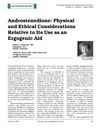 February 1999 in “Strength and Conditioning Journal”
 Androstenedione, a hormone supplement, doesn't improve muscle or performance and can cause harmful side effects.
 September 1998 in “Journal of The European Academy of Dermatology and Venereology”
 The conclusion is that proper recognition and treatment of skin conditions are crucial for the elderly due to changes in skin, nails, and hair with age, and the impact of these conditions on health and mobility.
 March 1997 in “Journal of Endocrinology/Journal of endocrinology”
 Excessive hair growth in women can be treated with medications like spironolactone and finasteride, and male-pattern baldness in women can be improved with similar treatments.
 May 1994 in “Reactions Weekly”
 Many medications can cause hair loss or excessive hair growth, which is usually reversible after stopping the drug.
 November 1993 in “PubMed”
 High levels of androgens can cause skin issues like acne, hair loss, and excessive hair growth.
 January 1992 in “Juntendo Medical Journal”
 Male pattern baldness is mainly caused by a hormone called dihydrotestosterone (DHT), and drugs that can block this hormone might help prevent hair loss.
 January 1987 in “Journal of steroid biochemistry/Journal of Steroid Biochemistry”
 Norethisterone (jenapharm) therapy is effective for endometrial cancer.
 January 1986 in “Journal of Steroid Biochemistry”
 Women with severe acne, hirsutism, and androgenic alopecia often have higher levels of certain androgens, but the specific pattern can't be predicted just by looking at symptoms.
 January 1977 in “Case Reports in Medicine”
 Steroid cell tumors in the ovary are rare, can produce testosterone causing symptoms, and are mainly treated with surgery.
December 1976 in “PubMed” Androgens affect skin conditions like acne and hirsutism, treatable with hormone therapy and other methods.
September 1976 in “PubMed” Hirsutism is excessive male-pattern hair growth mainly caused by ovarian hormones, and severe cases may require costly treatment with side effects.
Doctors recommend postoperative radiation for male breast cancer, advise against testosterone for vasomotor symptoms post-adrenalectomy, suggest non-hormonal treatments for atrophic vaginitis after mastectomy, note no specific treatment for anticoagulant-induced hair loss, and call for more research on silicosis from silicon carbide exposure.
June 2022 in “Journal of Cosmetic Dermatology” Acanthus ebracteatus extract may help prevent hair loss.
Caffeine can potentially treat common hair loss by counteracting hair follicle shrinkage caused by hormones.
August 2017 in “DOAJ (DOAJ: Directory of Open Access Journals)” Androgenetic alopecia in males is linked to hormone levels and the enzyme 5-alpha reductase.
 December 2015 in “Vestnik dermatologii i venerologii”
 People with hair loss have different hormone levels, and these hormones can affect hair growth.
 January 2015 in “프로그램북(구 초록집)”
 Dutasteride is effective and safe for treating common hair loss, and it's more potent than finasteride, leading to better hair growth and thickness.
January 2010 in “West China Journal of Pharmaceutical Sciences” Pterocarpus indcus Willd extracts taken orally can reduce hair loss in rats.
 January 2000 in “Annals of Dermatology”
 Finasteride effectively treats hair loss in men with minimal side effects.
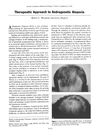 November 1999 in “Journal of Cutaneous Medicine and Surgery”
 Treatments for hair loss include hormone modifiers, minoxidil, and hair transplant surgery.